How the Canine Gut-Brain Axis Shapes Dog Behavior
Discover how the canine gut-brain axis influences dog behavior and anxiety. Learn actionable nutrition tips, supplements, and diets to calm your pet.
The Hidden Link Between Your Dog’s Gut and Their Brain
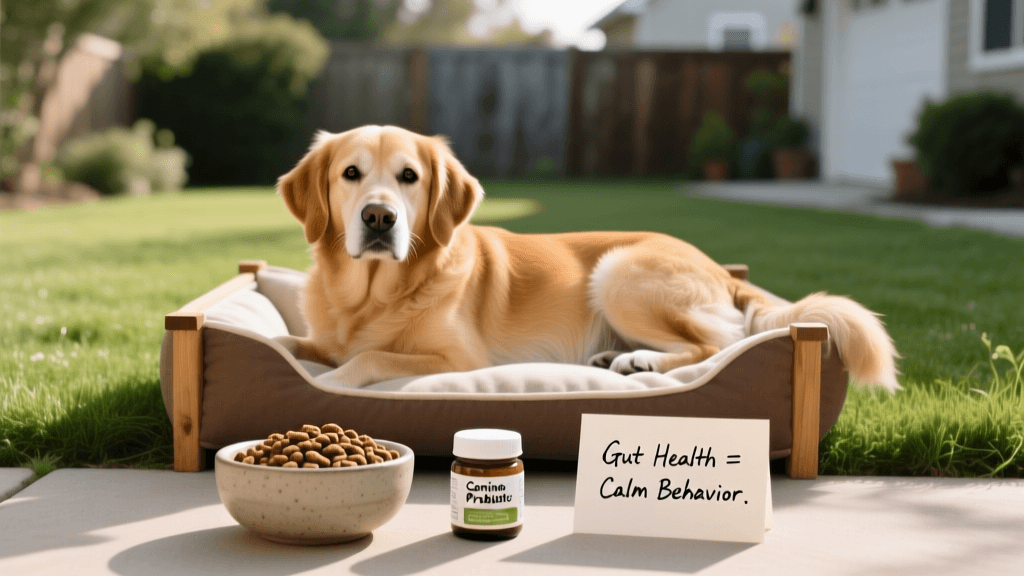
When your dog exhibits sudden behavioral changes, such as unexplained reactivity, excessive pacing, or an inability to settle, it is easy to assume the issue is purely psychological or a result of inadequate training. However, emerging veterinary science reveals a profound truth: a dog's gastrointestinal tract plays a massive role in their emotional regulation. By understanding the deep biological connection between digestion and psychology, owners can address behavioral issues at their root.
Understanding the Canine Gut-Brain Axis
The gut-brain axis is a complex, bidirectional communication network linking the enteric nervous system (ENS) and the central nervous system (CNS). In dogs, this connection is primarily facilitated by the vagus nerve, a massive cranial nerve that wanders from the brainstem down to the abdomen. Remarkably, roughly 90 percent of the body's serotonin—the vital neurotransmitter responsible for feelings of well-being, mood stabilization, and happiness—is produced in the gut, not the brain.
When a dog's gut microbiome is imbalanced (a state known as dysbiosis), it can lead to systemic inflammation that crosses the blood-brain barrier, directly influencing canine psychology and behavior. According to comprehensive research published on the National Center for Biotechnology Information (NCBI), alterations in the gut microbiota are closely linked to stress-related behaviors, altered fear responses, and anxiety-like symptoms in canines. A healthy gut quite literally fosters a healthy, resilient mind.
Behavioral Signs of an Unhappy Canine Microbiome
How do you know if your dog's behavioral issues stem from their gut rather than a lack of socialization or environmental stressors? While every dog is unique, certain behavioral and psychological signs frequently correlate with poor gastrointestinal health:
- Excessive Paw Licking and Chewing: Often dismissed as boredom or environmental allergies, this repetitive behavior can be a psychological response to systemic inflammation and yeast overgrowth originating in the gut.
- Coprophagia (Eating Feces): This common behavioral quirk often stems from a lack of digestive enzymes or an imbalanced microbiome attempting to recapture lost nutrients and beneficial bacteria.
- Sudden Noise Phobias and Pacing: A sudden onset of generalized anxiety or noise sensitivity in adult dogs can indicate neuro-inflammation triggered by intestinal permeability, commonly known as leaky gut.
Actionable Nutrition Strategies for a Calmer Dog
To support your dog's psychological well-being through nutrition, you must focus on reducing gut inflammation and introducing targeted psychobiotics—probiotic strains that specifically influence brain chemistry and behavior. Here are specific, actionable interventions you can implement today.
Targeted Psychobiotics for Anxiety
The most scientifically validated probiotic strain for canine anxiety is Bifidobacterium longum BL999. A pivotal study published in PubMed demonstrated that dogs supplemented with this specific strain exhibited significantly reduced anxiety-like behaviors, including less barking, pacing, and lower cortisol production. The most accessible commercial product containing this exact strain is Purina Pro Plan Veterinary Supplements Calming Care.
- Cost: Approximately $45 for a 30-day supply.
- Dosage: One sachet daily, sprinkled directly over food.
- Timing: You must administer this consistently for 4 to 6 weeks before observing behavioral changes, as it takes time for the bacteria to colonize the gut and modulate the vagus nerve.
Prebiotic Fibers for Microbiome Diversity
Probiotics need food to survive; this is where prebiotics come in. Prebiotics are non-digestible fibers that ferment in the colon, producing short-chain fatty acids (SCFAs) like butyrate, which are crucial for brain health and reducing neuro-inflammation.
- Actionable Advice: Add plain, unsweetened canned pumpkin (not pumpkin pie filling) or powdered chicory root to your dog's meals.
- Cost: About $3 per can of pumpkin.
- Dosage: Administer 1 teaspoon per 10 pounds of body weight, twice daily. This simple addition firms up stools and provides the necessary fuel for beneficial gut bacteria to thrive, subsequently stabilizing your dog's mood.
Omega-3 Fatty Acids for Neuro-Protection
The canine brain is nearly 60 percent fat, making it highly susceptible to oxidative stress and inflammation. High-quality Omega-3 fatty acids, specifically EPA and DHA, are essential for maintaining the structural integrity of brain cells and supporting the gut lining.
- Product Recommendation: Nordic Naturals Omega-3 Pet or a high-quality wild Alaskan salmon oil.
- Cost: Roughly $25 per bottle.
- Dosage: Follow the manufacturer's label, typically one pump per 20 pounds of body weight daily. Always store fish oils in the refrigerator to prevent oxidation, which can worsen inflammation.
The Role of Tryptophan and Protein Quality in Canine Mood
Protein is not just for building muscle; it is the fundamental building block for neurotransmitters. Tryptophan, an essential amino acid found in high-quality animal proteins, is the direct precursor to serotonin. When dogs are fed diets high in cheap, indigestible fillers like corn or soy, they often lack sufficient bioavailable tryptophan. This deficiency can manifest as poor impulse control, hyperactivity, and an inability to settle after exercise.
To optimize your dog's behavioral health, ensure their primary protein source is highly bioavailable, such as fresh chicken, turkey, or lamb. Turkey is particularly renowned for its high tryptophan content. If you are feeding a commercial kibble, look for products where a named, whole meat is the first ingredient, and avoid generic meat by-products which have unpredictable amino acid profiles. Supplementing with a high-quality bone broth (costing around $15 for a 16oz carton) can also provide easily digestible amino acids that soothe the gut lining and support neurotransmitter synthesis.
Comparison Chart: Behavioral Symptoms vs. Nutritional Interventions
| Behavioral Symptom | Potential Gut-Brain Link | Targeted Nutritional Intervention |
|---|---|---|
| Excessive Pacing & Barking | Low serotonin production; vagus nerve distress | Bifidobacterium longum BL999 supplement |
| Poor Impulse Control | Tryptophan deficiency; amino acid imbalance | High-bioavailability turkey or chicken diet |
| Lethargy & Brain Fog | Neuro-inflammation; poor gut lining integrity | EPA/DHA Omega-3 fish oil supplementation |
| Coprophagia (Eating Stool) | Enzyme deficiency; microbiome starvation | Digestive enzymes and prebiotic pumpkin fiber |
How to Transition Your Dog to a Brain-Boosting Diet
If you decide to switch your dog to a new, gut-friendly diet (such as a limited-ingredient diet or a high-protein whole-food diet), you must do so gradually. A sudden dietary shift can cause severe dysbiosis, leading to diarrhea, vomiting, and a massive spike in anxiety and stress behaviors. Follow a strict 10-day transition protocol:
- Days 1-3: 25% new food, 75% old food.
- Days 4-6: 50% new food, 50% old food.
- Days 7-9: 75% new food, 25% old food.
- Day 10: 100% new food.
If your dog exhibits loose stools or increased pacing at any stage, halt the transition and maintain the current ratio for an additional 48 hours until their digestion and behavior stabilize.
When to Consult a Veterinary Behaviorist
While the gut-brain axis is a powerful component of canine psychology, nutrition is not a standalone cure for severe behavioral disorders. If your dog exhibits severe aggression, self-mutilation, or debilitating phobias that do not respond to environmental management and nutritional support, it is imperative to seek professional help. As noted by the American Kennel Club (AKC), comprehensive gut health is a foundational pillar of overall wellness, but severe psychological trauma or genetic behavioral predispositions require the expertise of a board-certified veterinary behaviorist. These professionals can combine targeted pharmacological interventions with the nutritional strategies outlined above to create a holistic, effective treatment plan for your dog.
Conclusion
Ultimately, understanding your dog requires looking beyond their outward actions and examining their internal biological landscape. By recognizing the profound impact of the gut-brain axis, you can transform your approach to canine behavior. Instead of solely relying on obedience training to manage anxiety or reactivity, you can nourish your dog's mind from the inside out. Implementing targeted psychobiotics, prebiotic fibers, and neuro-protective fats not only improves their digestive health but also fosters a calmer, more resilient, and emotionally balanced companion.
jonas-cole
All our authors care for dogs every day — read more of their work on the authors page.