Terrier vs. Herding Instincts: Choosing the Right Active Breed
Discover the psychological differences between terrier prey drive and herding instincts to choose the perfect active dog breed for your lifestyle.
The Psychology of Canine Drive: Beyond the Surface
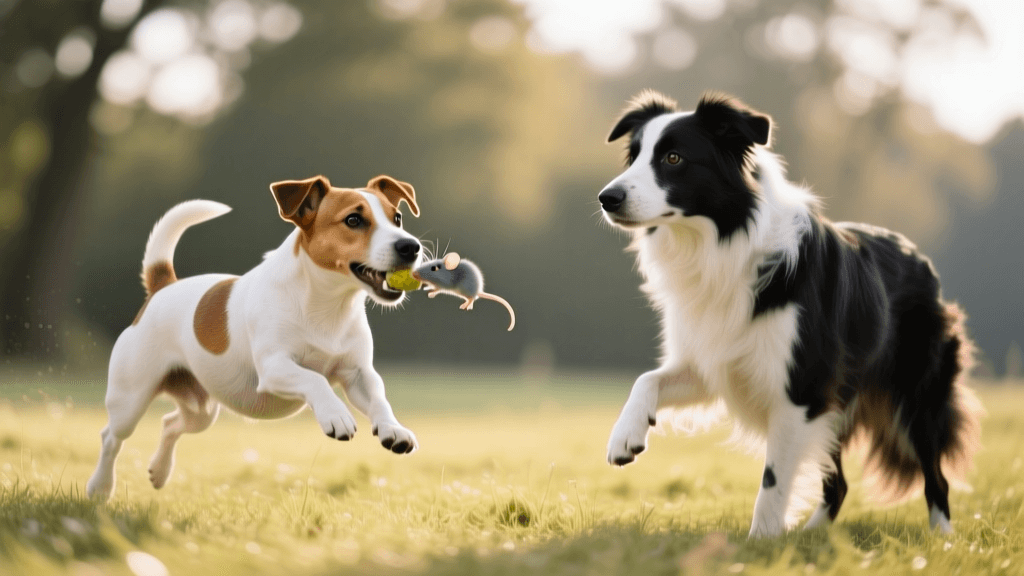
When prospective dog owners browse shelters or breeder websites, they often select a companion based on coat color, ear shape, or size. However, understanding the underlying psychological blueprint of a dog is the single most important factor in ensuring a harmonious human-canine relationship. Nowhere is this more evident than when comparing two highly active, yet fundamentally different, canine categories: Terriers and Herding breeds. While both groups require significant daily exercise, the psychological engines driving their behavior are entirely distinct. According to the American Kennel Club's Terrier Group standards, these dogs were bred for independent, explosive action. Conversely, the Herding Group was developed for sustained, collaborative control. Misinterpreting these drives often leads to behavioral frustration, destroyed property, and surrendered pets. To make an informed breed selection, we must decode the body language, instincts, and environmental needs of both groups.
The Terrier Mindset: Hardwired for the Hunt
Terriers—from the pint-sized Jack Russell to the robust Airedale—were originally bred to hunt, dig, and dispatch vermin. This history has hardwired them with a high degree of "gameness" (the willingness to engage with prey regardless of size or threat) and independent problem-solving skills. Psychologically, terriers are self-rewarding; the act of chasing and digging releases a massive dopamine spike, making them less reliant on human approval than other breeds.
Decoding Terrier Body Language
Understanding a terrier's arousal state is critical for preventing reactive behavior. Watch for these specific communication signals:
- The Stiff Stalk: Unlike herders who crouch, terriers often stand tall with rigid posture, pricked ears, and a high, vibrating tail when they lock onto a target (like a squirrel or a moving bicycle).
- Vocalization: Terriers use sharp, repetitive barking to flush out prey from burrows. In a domestic setting, this translates to intense vocalization at the fence line or door.
- Tactile Defensiveness: Bred to fight in tight underground tunnels, many terriers are highly sensitive to being grabbed from behind or having their paws restrained, which can trigger a reflexive snap.
The Herding Mindset: Hardwired for Control
Herding breeds, such as the Border Collie, Australian Shepherd, and Shetland Sheepdog, possess a modified predatory sequence. As noted by behavioral experts at the ASPCA, herding dogs utilize the "eye," "stalk," and "chase" components of the wolf's hunting sequence, but the "kill" and "dissect" phases have been genetically suppressed. Instead of wanting to destroy the moving object, the herder wants to dictate its path. They are hyper-aware of motion and deeply sensitive to their handler's micro-expressions and tone of voice.
Decoding Herder Body Language
Herding dogs communicate their intent to control movement through distinct physical postures:
- "The Eye": A Border Collie will lower its head, crouch its front shoulders, and stare intensely at a moving object (or a running toddler). This is not aggression; it is a focused attempt to gather and move the "flock."
- Heel Nipping: If the object does not move, the herder may escalate to nipping at heels or ankles to force movement. This is an instinctual behavior, not a sign of malice.
- Shadowing: Herders will often physically lean against their owners or block doorways. This is a manifestation of their instinct to keep their "flock" contained and safe.
Comparison Chart: Terrier vs. Herding Instincts
| Behavioral Trait | Terrier Breeds (e.g., Jack Russell, Rat Terrier) | Herding Breeds (e.g., Border Collie, Aussie) |
|---|---|---|
| Primary Drive | Prey Drive (Hunt, catch, dispatch) | Herding Drive (Stalk, control, contain) |
| Reaction to Fast Movement | Explosive chase; intent to grab | Calculating stalk; intent to block or circle |
| Biddability (Obedience) | Low to Moderate (Independent thinkers) | Very High (Handler-focused and eager) |
| Primary Frustration Outlet | Digging, shredding, escaping | Pacing, shadowing, nipping, barking |
| Ideal Mental Enrichment | Scent work, flirt poles, dig boxes | Agility, Treibball, complex trick training |
Actionable Advice: Matching Instincts to Your Routine
Selecting between a terrier and a herder requires an honest assessment of your daily schedule, living environment, and financial willingness to manage their specific instincts. Here is a practical breakdown of what each breed type demands.
Time and Routine Commitments
Herding Breeds: Physical exercise is not enough to exhaust a herder; they require cognitive fatigue. Plan for 90 to 120 minutes of structured engagement daily. This includes 45 minutes of off-leash running (in secure areas) combined with 30 minutes of obedience training, puzzle toys, or dog sports like agility. Without a "job," herders will invent one, often resulting in neurotic behaviors like light-chasing or fly-snapping.
Terrier Breeds: Terriers thrive on "sniffaris" and burst-energy activities. A 60-minute daily walk on a 30-foot long line (allowing them to map their environment with their nose) provides immense mental stimulation. Follow this with 15 minutes of high-intensity play using a flirt pole to satisfy their predatory chase sequence safely.
Environmental Management and Costs
Your yard and home setup must be tailored to the breed's physical capabilities and psychological urges.
- For Terriers (The Diggers): A standard chain-link fence is insufficient. Terriers will dig under boundaries. You must budget for a 6-foot privacy fence with a concrete footer or buried wire mesh (L-footer) extending 12 inches underground. Installation costs for a secure 50x50 foot perimeter can range from $2,500 to $4,500. Indoors, provide a designated "dig box" filled with crumpled paper or sand to redirect this instinct.
- For Herders (The Climbers): Herders are athletic jumpers and climbers. A 6-foot fence is mandatory, but you may also need to install "coyote rollers" (rotating bars at the top of the fence, costing roughly $30 to $50 per 4-foot section) to prevent them from scaling the barrier. Indoors, baby gates are essential to manage their desire to control household foot traffic.
Enrichment Gear and Training Budgets
Investing in the right tools prevents behavioral fallout. For terriers, purchase a heavy-duty flirt pole ($25–$40) and a snuffle mat ($30) to encourage natural foraging. For herders, invest in interactive puzzle feeders ($40–$80) and consider enrolling in a Treibball or agility foundation class, which typically costs $150 to $250 for a six-week course. These structured environments allow herders to exercise their instinct to "move" objects in a controlled, rewarding manner.
"A tired dog is a good dog, but a mentally fulfilled dog is a happy one. Matching the specific type of mental work to the breed's genetic blueprint is the cornerstone of modern canine behavioral health." — Canine Behavioral Psychology Principles
Conclusion: Choosing Your Canine Partner
Both terriers and herding breeds offer immense joy, loyalty, and companionship to active owners. However, they are not interchangeable. If you prefer an independent, rugged companion who will eagerly explore the brush and entertain themselves with a good digging session, a terrier is your ideal match. If you desire a deeply connected, trainable partner who will learn complex routines and thrive on collaborative dog sports, a herding breed will fulfill your lifestyle. By respecting the psychological origins of these breeds and preparing your environment, time, and budget accordingly, you set the stage for a lifelong, harmonious bond with your dog.
hannah-wickes
All our authors care for dogs every day — read more of their work on the authors page.