Understanding the MDR1 Gene Mutation in Herding Dogs
Discover how the MDR1 gene mutation affects herding breeds. Learn about genetic testing, drug sensitivities, and managing vet anxiety for your dog.

The Intersection of Genetics and Canine Psychology
Understanding your dog requires more than just interpreting their tail wags, ear positions, and vocalizations. True canine comprehension extends deep into their genetic blueprint, which dictates not only their physical health but also their psychological responses to the world around them. When we explore the category of Breed Health Profiles and Genetics, one of the most critical and misunderstood topics is the Multi-Drug Resistance 1 (MDR1) gene mutation. Predominantly found in herding breeds, this genetic anomaly profoundly impacts how these dogs process medications, which in turn can heavily influence their behavior, stress levels, and psychological well-being during veterinary care.
For owners of herding breeds, recognizing the MDR1 mutation is not just a medical necessity; it is a fundamental aspect of understanding your dog's limits, vulnerabilities, and potential trauma responses. In this comprehensive guide, we will explore the science behind the MDR1 gene, identify the breeds most at risk, and provide actionable advice on how to manage your dog's health and behavioral conditioning.
What is the MDR1 Gene Mutation?
The MDR1 gene, scientifically referred to as the ABCB1 gene, is responsible for producing a protein called P-glycoprotein. This protein acts as a biological pump at the blood-brain barrier. Its primary job is to protect the brain by actively pumping out toxins, chemicals, and certain pharmaceutical drugs before they can accumulate in the central nervous system.
In dogs with the MDR1 mutation, this pump is either defective or entirely absent. As a result, standard doses of common medications that are perfectly safe for other breeds can cross the blood-brain barrier and accumulate to toxic levels. This leads to severe neurotoxicity, manifesting as tremors, disorientation, blindness, seizures, and potentially fatal comas. According to the Washington State University Veterinary Clinical Pharmacology Lab, the definitive authority on canine MDR1 research, this mutation is an inherited trait that requires careful management throughout the dog's life.
Breeds at Risk: A Genetic Profile
The MDR1 mutation is most famously associated with the Rough Collie, but it spans across numerous herding and working breeds. Understanding your dog's breed-specific genetic risks is the first step in proactive healthcare and behavioral management.
| Dog Breed | Approximate % Affected | Instinctual Traits & Behavioral Notes |
|---|---|---|
| Rough & Smooth Collie | 75% | Highly sensitive to visual stimuli; prone to shutdown behaviors when physically unwell. |
| Australian Shepherd | 50% | High energy and herding drive; may mask pain or illness until neurotoxicity is severe. |
| Longhaired Whippet | 65% | Sighthound chasing instincts; highly sensitive to environmental stress and handling. |
| German Shepherd Dog | 10% | Strong guarding instincts; may exhibit reactivity at the vet if previous adverse reactions occurred. |
| Shetland Sheepdog | 15% | Vocal and alert; highly attuned to owner anxiety, requiring calm medical handling. |
The Psychological Impact: Vet Anxiety and Trauma
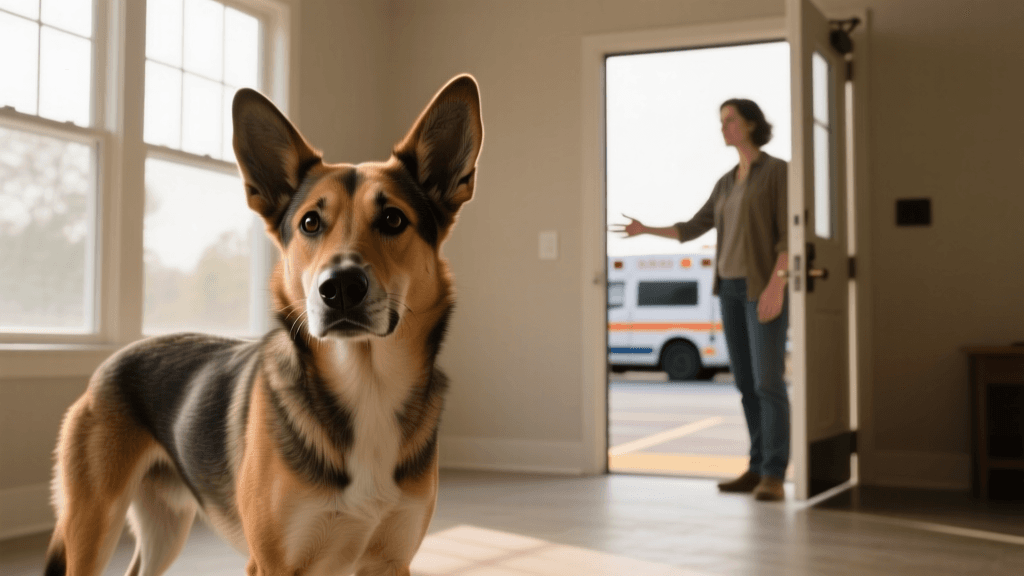
How does a genetic health profile influence canine psychology and behavior? The link between the MDR1 mutation and behavioral reactivity is often overlooked. If a dog with the MDR1 mutation is given an incompatible medication (such as a high dose of certain antiparasitics or sedatives) before their genetic status is known, they will experience terrifying neurological symptoms. They may lose their vision temporarily, lose control of their motor functions, or suffer from severe tremors.
From a psychological standpoint, the dog does not understand that a medication caused this internal chaos. Instead, they associate the onset of these terrifying sensations with the environment in which the drug was administered—usually the veterinary clinic. This can rapidly lead to severe veterinary anxiety, defensive aggression, or learned helplessness. When an owner understands that their herding dog's extreme reactivity at the vet clinic may be rooted in a past, undiagnosed physiological trauma rather than simple 'stubbornness,' they can approach behavioral rehabilitation with empathy and targeted desensitization protocols.
Actionable Steps: Testing, Costs, and Timing
Fortunately, identifying the MDR1 mutation is straightforward, affordable, and highly accessible. The American Kennel Club strongly recommends DNA testing for all herding breeds and mixed-breed dogs with herding lineage.
- Timing: Test your dog as early as 8 weeks of age. A simple cheek swab is all that is required, making it entirely non-invasive and stress-free for puppies.
- Testing Options & Costs: You can order a direct MDR1 test from the UC Davis Veterinary Genetics Laboratory or Washington State University for approximately $70 to $85. Alternatively, comprehensive breed and health DNA kits (like Embark or Wisdom Panel) cost between $150 and $200 and include the MDR1 screening alongside hundreds of other genetic markers.
- Documentation: Once you receive your results, immediately add the MDR1 status to your dog's physical and digital medical records. Print a bright red warning label and attach it to your dog's collar and harness.
Medications to Avoid for MDR1 Positive Dogs
If your dog tests positive for the MDR1 mutation (either as a carrier or homozygous mutant), you must act as their primary advocate. While standard heartworm preventatives (which contain microscopic, safe doses of ivermectin) are generally approved for MDR1 dogs, therapeutic doses of several common drugs must be strictly avoided or heavily modified by a veterinary pharmacologist.
High-Risk Medications Include:
- Ivermectin (High Doses): Often used off-label for mange or severe parasitic infections.
- Loperamide (Imodium): A common over-the-counter anti-diarrheal that can cause severe central nervous system depression in MDR1 dogs.
- Acepromazine: A widely used veterinary sedative that can cause prolonged, dangerous sedation and cardiovascular issues in affected breeds.
- Vincristine and Vinblastine: Chemotherapy agents that require strict dose reductions for MDR1 positive dogs to prevent fatal bone marrow suppression.
- Emolopide (Cerenia): An anti-nausea medication that requires careful veterinary calculation and monitoring.
Important Note: Never administer over-the-counter human medications to your herding breed without explicit veterinary approval. Always remind every veterinary professional, emergency clinic technician, and groomer of your dog's MDR1 status before any treatment or sedation is proposed.
Behavioral Conditioning for the MDR1 Positive Dog
Because MDR1 positive dogs may require specialized, and sometimes more stressful, veterinary protocols (such as avoiding standard chemical sedatives for minor procedures), proactive behavioral conditioning is essential. Understanding your dog's psychological need for safety and predictability will make medical care vastly easier.
- Seek Fear Free Certified Veterinarians: Look for clinics certified by the Fear Free organization. These professionals are trained to use low-stress handling techniques, minimizing the need for chemical restraint and reducing the psychological burden on your dog.
- Implement Pheromone Therapy: Use an Adaptil DAP (Dog Appeasing Pheromone) collar or spray on your dog's bandana 30 minutes before a vet visit. This synthetic pheromone mimics the comforting scent of a nursing mother dog, helping to lower baseline anxiety.
- High-Value Reward Mapping: Reserve ultra-high-value treats exclusively for veterinary environments. Products like Zuke's Mini Naturals or boiled chicken breast should only be dispensed at the clinic to build a strong positive emotional response (Counter-Conditioning).
- Muzzle Conditioning: If your dog has already developed defensive reactivity due to past medical trauma, spend 10 minutes daily conditioning them to a basket muzzle (like the Baskerville Ultra) using peanut butter and positive reinforcement. This ensures they can be safely handled during emergencies without the need for risky sedatives.
Conclusion: Empowering Your Ownership Journey
Understanding your dog is a lifelong journey that bridges the gap between their ancestral instincts, their unique psychological makeup, and their microscopic genetic code. The MDR1 gene mutation is a prime example of how a hidden health profile can dictate the way we must care for, train, and protect our canine companions. By investing in early genetic testing, maintaining strict medication vigilance, and employing empathetic, fear-free behavioral conditioning, you ensure that your herding dog can live a long, vibrant, and psychologically secure life. Embrace the science of canine genetics, and you will unlock a deeper, more profound bond with the dog by your side.
robin-maitland
All our authors care for dogs every day — read more of their work on the authors page.