Understanding Canine Winter Blues and Seasonal Behavior Changes
Discover why dogs experience winter blues and seasonal behavior changes. Learn actionable indoor activities and light therapy tips to boost mood.
The Psychology and Biology Behind Canine Seasonal Affective Disorder
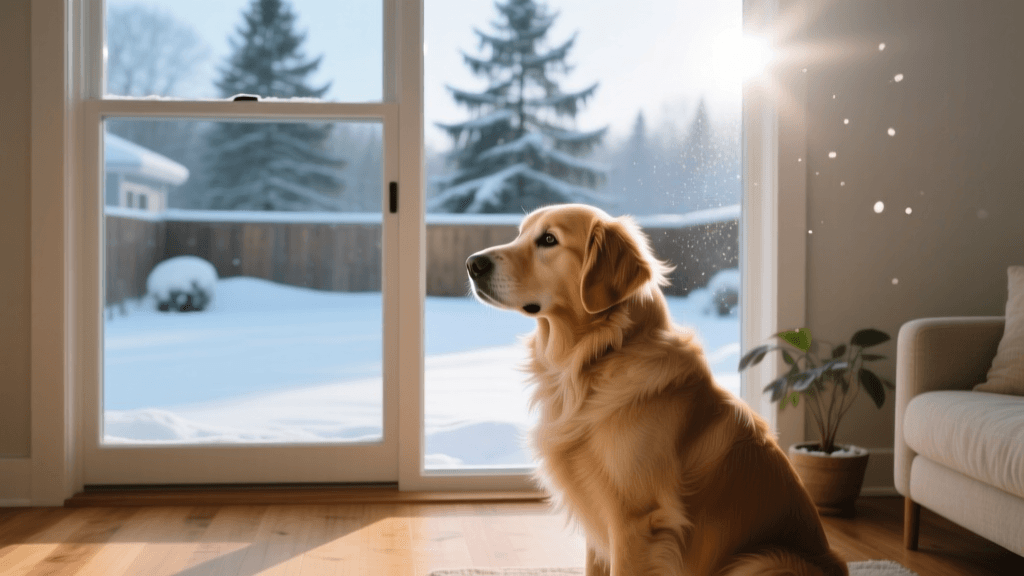
As the seasons shift from the vibrant, sun-drenched days of autumn to the dark, chilly months of winter, many dog owners notice a distinct change in their pet's demeanor. While we often attribute this to the cold weather, the psychological and biological reality is much deeper. Dogs, much like humans, are deeply affected by photoperiodism—the physiological reaction to the length of daylight. This can lead to a canine equivalent of Seasonal Affective Disorder (SAD).
According to research on mammalian circadian rhythms published by the National Center for Biotechnology Information (NCBI), reduced exposure to natural sunlight triggers an overproduction of melatonin (the sleep hormone) and a simultaneous drop in serotonin (the mood-regulating neurotransmitter). For your dog, this chemical imbalance manifests as lethargy, decreased interest in play, and sometimes even anxiety or clinginess. Understanding that this is a biological response, rather than simple stubbornness, is the first step in providing effective seasonal care.
Decoding the Body Language of a "Winter Blues" Dog
Because dogs cannot verbally express their feelings, they rely on subtle body language and behavioral shifts to communicate their internal state. A dog experiencing the winter blues will display specific, observable signals that differ from standard relaxation or illness.
- Increased Sleep and Lethargy: While adult dogs typically sleep 12 to 14 hours a day, a dog with seasonal lethargy may sleep upward of 16 to 18 hours, showing extreme reluctance to wake up or engage in morning routines.
- "Whale Eye" and Avoidance: When you pick up the leash for a cold evening walk, you might notice your dog turning their head away while keeping their eyes fixed on you, exposing the whites of their eyes (whale eye). This is a calming signal indicating stress or reluctance regarding the outdoor environment.
- Decreased Tail Carriage: A normally high and wagging tail may adopt a lower, slower carriage. The wags become tighter and closer to the body, signaling a drop in overall confidence and enthusiasm.
- Clinginess or Shadowing: A sudden increase in "velcro dog" behavior, where your dog follows you from room to room and rests their head heavily on your feet, can be a sign of seeking comfort due to seasonal anxiety.
It is crucial to differentiate these behavioral signs from underlying medical conditions. The American Kennel Club (AKC) notes that winter is also a time when joint pain from arthritis flares up due to the cold, and hypothyroidism can mimic the symptoms of SAD. Always consult your veterinarian to rule out physical ailments before attributing lethargy solely to the winter blues.
Breed-Specific Seasonal Instincts and Winter Behavior
Understanding your dog also means understanding their genetic lineage, which heavily influences how they react to seasonal changes. Not all dogs experience the winter blues in the same way; in fact, some breeds experience a surge in energy and instinctual drive when the temperature drops.
Northern and spitz breeds, such as Siberian Huskies, Alaskan Malamutes, and Samoyeds, possess a double coat and a genetic predisposition for cold-weather endurance. For these dogs, winter is not a time of lethargy but a time of heightened alertness and physical capability. If you own a working or northern breed, restricting their outdoor time due to human discomfort can lead to severe behavioral issues, including destructive chewing, excessive howling, and escape attempts. These breeds require rigorous winter activities like skijoring, bikejoring (on dry snow-free trails), or weighted pulling to satisfy their seasonal instincts.
Conversely, sight-hounds like Greyhounds and Whippets, or small companion breeds like Chihuahuas, lack the insulating subcutaneous fat and dense undercoats necessary for cold retention. For these breeds, the physiological stress of the cold can trigger a genuine fight-or-flight response, manifesting as shivering, tucked tails, and an outright refusal to walk. Understanding this breed-specific vulnerability is crucial. It is not a matter of stubbornness but a legitimate physiological limit. Investing in a well-fitted, insulated winter coat (such as the Ruffwear Overcoat Fuse, priced around $90) is a mandatory seasonal care step for these dogs to maintain their outdoor routines without inducing cold-weather anxiety.
Actionable Seasonal Care: Light Therapy and Environmental Tweaks
Once medical issues are ruled out, you can actively manage your dog's seasonal behavior changes through targeted environmental adjustments. Light therapy is one of the most effective, scientifically backed methods for combating canine SAD.
Implementing Canine Light Therapy
You do not need expensive veterinary equipment to provide light therapy. A standard 10,000 LUX SAD lamp, such as the Carex Day-Light Classic Plus (typically costing between $40 and $60), works exceptionally well.
- Placement: Position the lamp 12 to 24 inches away from your dog's primary resting area or feeding station. Ensure it is angled slightly downward but never shine it directly into your dog's eyes, as canine eyes are highly sensitive to bright light.
- Timing: Run the lamp for 30 to 45 minutes every morning between 7:00 AM and 9:00 AM. This specific timing helps reset their circadian rhythm and halts the overproduction of morning melatonin.
- Consistency: Use the lamp daily throughout the darkest months (typically December through February in the Northern Hemisphere).
Dietary Support for Brain Health
Supporting your dog's serotonin production through diet is another vital seasonal care strategy. Incorporating a high-quality Omega-3 fatty acid supplement, like Nordic Naturals Omega-3 Pet (approx. $25 for a 60-day supply), can reduce neuro-inflammation and support cognitive function during the winter months. Always measure the dosage based on your dog's exact weight and consult your vet before adding supplements.
Winter Indoor Enrichment Activities
When the weather is too severe for long outdoor excursions, mental stimulation becomes your primary tool for warding off the winter blues. Mental fatigue is just as effective as physical exercise in keeping a dog balanced and happy. Below is a structured guide to indoor enrichment activities designed to stimulate your dog's natural instincts.
| Activity Type | Recommended Product / Method | Time Investment | Mental Stimulation Score | Estimated Cost |
|---|---|---|---|---|
| Scent Work | Paw5 Wooly Snuffle Mat | 15 mins | 5 / 5 | $30 - $40 |
| Food Puzzles | KONG Classic (Frozen with broth) | 20 - 30 mins | 4 / 5 | $15 - $20 |
| Indoor Agility | Trixie Pet Agility Jump Kit | 20 mins | 4 / 5 | $35 - $45 |
| Hide and Seek | Scattered High-Value Treats | 10 mins | 3 / 5 | $5 (Treat cost) |
Engaging your dog in scent work is particularly beneficial. A dog's olfactory cortex is massively developed compared to a human's. Forcing them to use their nose to forage for kibble in a snuffle mat burns a tremendous amount of mental energy, effectively replacing the physical exhaustion they would normally get from a long summer hike.
Maintaining Outdoor Routines Safely
While indoor enrichment is critical, completely abandoning outdoor walks will exacerbate seasonal depression. The key is to adapt your routine to maximize sunlight exposure and minimize physical discomfort.
Chasing the Sun
Shift your primary walking schedule to "solar noon"—the window between 11:00 AM and 2:00 PM. During this time, the sun is at its highest point, providing the maximum amount of natural UV light and the warmest temperatures. This brief window is crucial for natural serotonin synthesis and vitamin D absorption.
Paw Protection and Comfort
Winter walks are often cut short not because of the cold air, but because of the painful impact of ice and chemical de-icers on sensitive paw pads. To extend your walks and keep your dog comfortable, apply a generous layer of Musher's Secret Dog Paw Wax ($18 for a 60g tin) before every outing. This creates a semi-permeable barrier against toxic salts and prevents ice balls from forming between the toes. For dogs with extreme cold sensitivity, invest in a set of insulated, rubber-soled booties like the Ruffwear Polar Trex ($90 for a set of four), ensuring you measure their paw width accurately to the nearest millimeter for a secure fit.
As highlighted by the ASPCA's winter care guidelines, wiping your dog's paws and underbelly with a warm, damp cloth immediately after returning indoors is non-negotiable. This removes any residual ice-melt chemicals that could cause gastrointestinal distress if licked off later.
Conclusion
Understanding your dog's seasonal behavior changes requires empathy, observation, and a willingness to adapt your care routine. By recognizing the subtle body language of the winter blues, implementing targeted light therapy, providing rigorous indoor mental enrichment, and optimizing your outdoor walks for safety and sunlight, you can help your canine companion thrive year-round. Winter does not have to be a season of hibernation and sadness; with the right seasonal care strategies, it can be a time of deep bonding and cozy, fulfilling indoor activities.
jonas-cole
All our authors care for dogs every day — read more of their work on the authors page.