Herding vs Companion Breeds: Matching Dog Instincts to Your Lifestyle
Discover how to match herding and companion breed instincts to your lifestyle. Avoid behavioral issues by choosing the right dog psychology for your home.
The Hidden Psychology of Breed Selection
Bringing a dog into your home is a profound commitment that extends far beyond providing food and shelter. It requires a deep understanding of canine psychology and the genetic blueprint that dictates how a dog perceives the world. Many well-meaning owners select a breed based purely on aesthetics or popular media representation, only to find themselves overwhelmed by behavioral issues rooted in unmet instinctual needs. According to the American Kennel Club, understanding a breed's original purpose is the most critical factor in ensuring a harmonious human-canine relationship.
When we compare high-energy herding breeds with low-energy companion breeds, we are not just looking at differences in physical stamina; we are looking at fundamentally different psychological frameworks. A Border Collie and a Cavalier King Charles Spaniel do not just behave differently; they think differently, process stimuli differently, and require vastly different environments to thrive. This guide will explore the psychology behind these two distinct breed groups, providing actionable advice, cost breakdowns, and environmental requirements to help you make an informed, lifestyle-aligned selection.
The Predatory Motor Sequence and Breed Instincts
To understand why dogs do what they do, canine behaviorists often refer to the predatory motor sequence. In wild canines, this sequence follows a strict order: search, eye, stalk, chase, grab-bite, kill-bite, dissect, and consume. Through centuries of selective breeding, humans have artificially manipulated this sequence to create specialized working dogs.
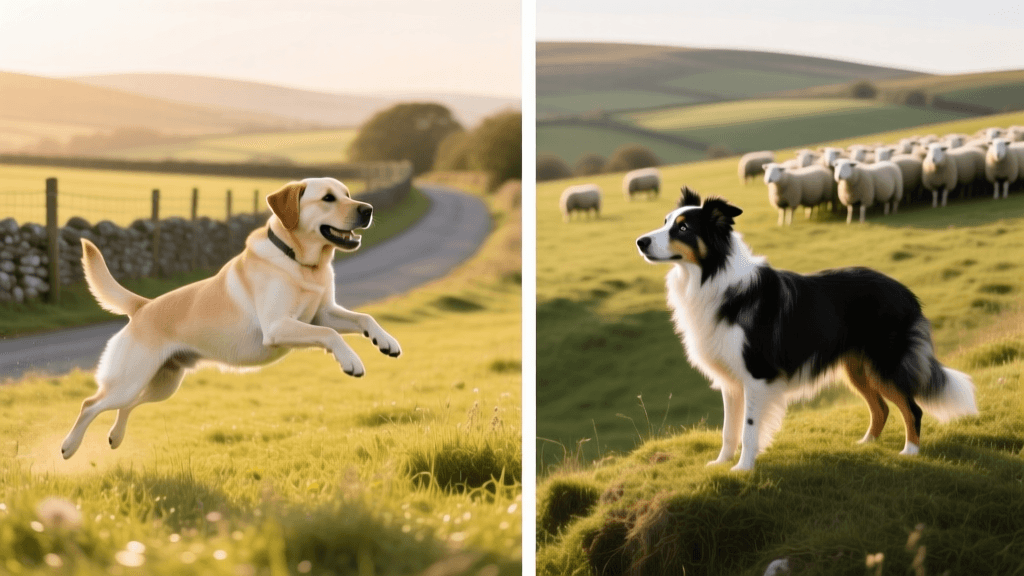
Herding breeds have been hyper-selected to exaggerate the early stages of the sequence (eye, stalk, and chase) while heavily suppressing the grab-bite and kill-bite phases. This is why a Border Collie will intensely stare down a flock of sheep or a moving bicycle, but will rarely attack with the intent to kill. Conversely, companion breeds have had almost the entire predatory sequence suppressed. Their genetic drive has been replaced with a hyper-attachment to human proximity and a desire for social bonding. Recognizing where a breed falls on this spectrum is the first step in avoiding a devastating lifestyle mismatch.
High-Energy Herding Breeds: The Workaholics
Instinctual Drives and Behavioral Risks
Breeds such as the Border Collie, Australian Shepherd, and Belgian Malinois are the workaholics of the canine world. Their psychological baseline requires a job to do. When placed in a sedentary suburban environment without adequate mental and physical outlets, their exaggerated 'eye-stalk-chase' instincts will find inappropriate targets. It is incredibly common for under-stimulated herding dogs to develop neurotic behaviors, such as shadow chasing, light fixation, or nipping at the heels of running children. The ASPCA frequently notes that destructive behaviors and hyperactivity are leading causes of shelter surrenders, often stemming from owners underestimating the psychological demands of working breeds.
Actionable Care and Environmental Needs
If you are considering a herding breed, you must treat their mental stimulation with the same importance as their physical exercise. A simple 30-minute walk around the block will not suffice; it will only build a dog with elite stamina and zero mental fatigue.
- Time Commitment: Expect to dedicate 2 to 3 hours daily to active engagement. This includes structured training, agility work, or high-intensity fetch sessions.
- Mental Enrichment Products: Ditch the standard food bowl. Utilize an Outward Hound Snuffle Mat (approx. $25) to force your dog to use their nose for foraging, and a KONG Extreme (approx. $15) stuffed with frozen peanut butter to provide 45 minutes of stationary mental work.
- Environmental Modifications: Herding dogs are visual stimulants and escape artists. You will need a minimum 6-foot wooden privacy fence (costing $1,500 to $3,000+ for professional installation) to block visual triggers like passing cars or neighborhood cats, which can trigger their chase instinct and lead to fence-running or barrier frustration.
Low-Energy Companion Breeds: The Shadows
Instinctual Drives and Behavioral Risks
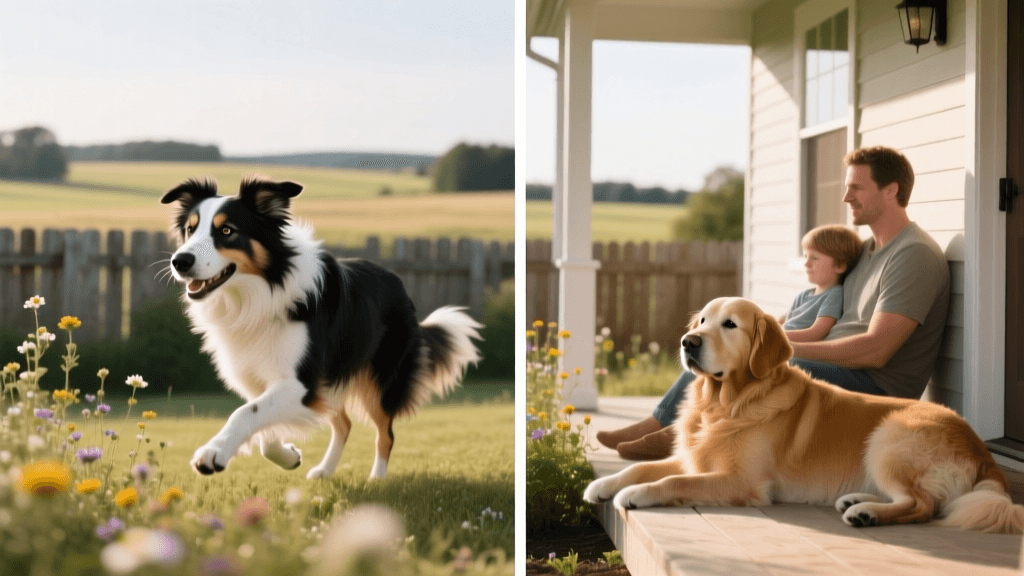
Companion breeds, including the Pug, French Bulldog, and Cavalier King Charles Spaniel, were bred for one specific purpose: to provide warmth, comfort, and companionship to humans. Their psychological need is proximity. While they do not require vast acreage to run, they are highly susceptible to separation anxiety. Because their genetic drive is entirely focused on social bonding, being left alone for eight hours a day can trigger severe psychological distress, resulting in vocalization, inappropriate elimination, and self-mutilation.
Actionable Care and Environmental Needs
Selecting a companion breed means trading intense physical demands for intense emotional and medical responsibilities. Many companion breeds are brachycephalic (flat-faced) or possess unique structural traits that require meticulous care.
- Time Commitment: Physical exercise is limited to 45 minutes of light walking daily, broken into shorter sessions to prevent overheating. However, your dog will require near-constant companionship while you are home.
- Technology and Anxiety Management: If you work outside the home, investing in a Furbo Dog Camera (approx. $150) is highly recommended. This allows you to monitor your dog, speak to them, and toss treats to interrupt anxiety spirals before they escalate.
- Health and Grooming Costs: Companion breeds often require professional grooming every six weeks ($60 to $100 per session). Furthermore, brachycephalic breeds frequently require specialized veterinary care for breathing issues, dental crowding, and eye conditions. Budget an extra $500 to $1,000 annually for specialized vet care and pet insurance premiums.
Breed Comparison Chart: Instincts, Costs, and Time
The following table provides a structured comparison to help you visualize the stark differences in lifestyle requirements between these two breed categories.
| Breed Category | Primary Instinct | Daily Active Time | Est. Monthly Cost | Ideal Living Space |
|---|---|---|---|---|
| Herding (e.g., Border Collie) | Eye, Stalk, Chase | 2 to 3 hours | $100 - $150 | House with 6ft fenced yard |
| Herding (e.g., Aussie Shepherd) | Drive, Protect, Herd | 1.5 to 2.5 hours | $100 - $150 | House with secure yard |
| Companion (e.g., Cavalier) | Social Bonding | 45 to 60 mins | $120 - $200 | Apartment or House |
| Companion (e.g., Pug) | Proximity Seeking | 30 to 45 mins | $150 - $250 | Apartment or House |
Actionable Steps for Making the Final Decision
Assessing Your Daily Schedule Honestly
Before selecting a breed, track your daily routine for one full week. Calculate exactly how many hours you are away from home, how much free time you have after work, and your weekend availability. If you work 10-hour days and value your weekend relaxation time, a herding breed will become a destructive liability. The American Veterinary Medical Association emphasizes that behavioral problems are rarely the fault of the dog; they are almost always the result of an environment that fails to meet the animal's innate psychological needs.
Budgeting for Psychological Welfare
Financial preparation is just as important as time management. If you choose a herding breed, budget for doggy daycare ($30 to $50 per day) or professional agility classes ($150 per month) to burn off their mental energy. If you choose a companion breed, budget for premium pet insurance that covers hereditary conditions, as well as specialized grooming and dental cleanings, which are vital for small-jawed breeds.
Observing Behavior in Real Time
Whether you are visiting a reputable breeder or a breed-specific rescue, observe the dog in a neutral environment. Toss a toy: does the dog stalk it intensely and refuse to let it go (herding/prey drive)? Or does the dog ignore the toy and immediately lean against your leg seeking physical contact (companion drive)? These micro-interactions will tell you more about the dog's psychological wiring than any breed standard document.
Conclusion
Understanding your dog begins long before you bring them home. By looking past the superficial traits of a breed and diving into the psychology of their instincts, you can prevent years of frustration and heartbreak. Herding breeds offer unparalleled loyalty and intelligence for the active, dedicated owner, while companion breeds provide profound emotional warmth for those who prioritize proximity over performance. Match the instinct to your lifestyle, and you will build a foundation for a deeply fulfilling, lifelong bond.
priya-sutaria
All our authors care for dogs every day — read more of their work on the authors page.