Understanding Winter Blues and Canine Seasonal Affective Disorder
Discover why dogs experience winter blues and canine SAD. Learn the psychology behind seasonal behavior changes and actionable indoor activities to help.
The Psychology Behind Canine Seasonal Affective Disorder
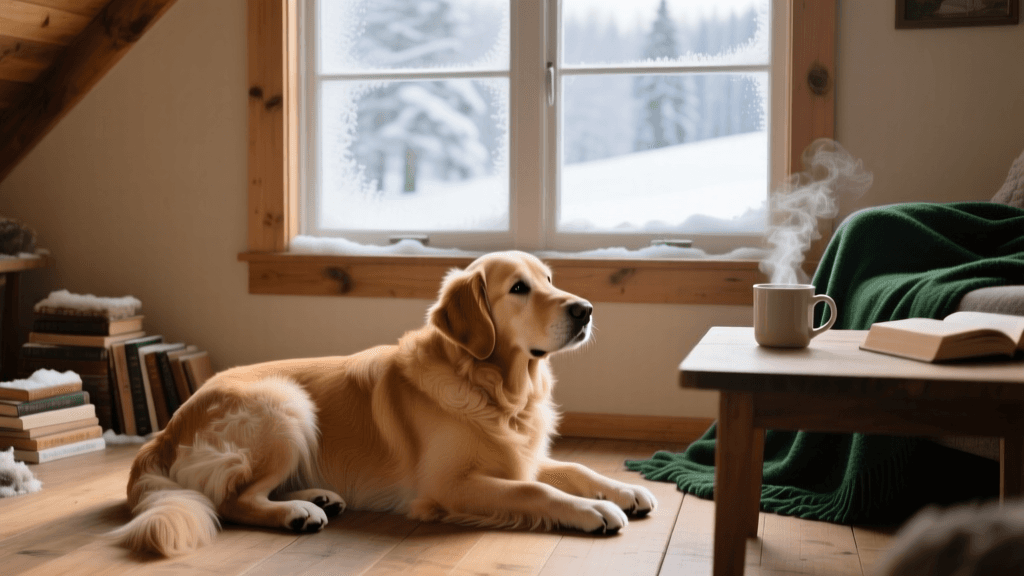
As the days grow shorter and temperatures plummet, many dog owners notice a distinct shift in their pet's behavior. While we often attribute these changes to the cold weather keeping us indoors, the root cause is frequently tied to canine neurochemistry and photoperiodism. Dogs, much like humans, are deeply influenced by the amount of natural sunlight they receive. This phenomenon is known as Seasonal Affective Disorder (SAD), or the "winter blues," and it is a well-documented psychological condition in veterinary behavioral medicine.
According to the American Kennel Club (AKC), the reduction in daylight hours during the winter months disrupts a dog's circadian rhythm. This disruption leads to an overproduction of melatonin (the hormone responsible for sleep) and a decrease in serotonin (the neurotransmitter that regulates mood and happiness). When serotonin levels drop, dogs can exhibit signs of depression, lethargy, and anxiety. Understanding this biological mechanism is the first step in providing effective seasonal care for your dog.
Recognizing the Behavioral Shifts of Winter Blues
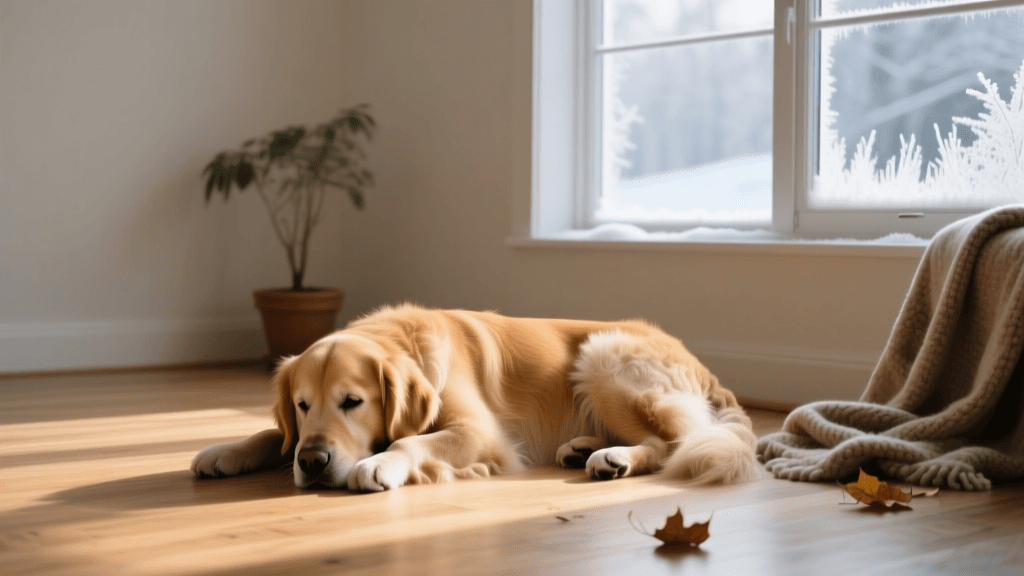
Canine SAD does not always look like human depression. Because dogs cannot verbalize their feelings, their psychological distress manifests through behavioral and physical changes. It is crucial to differentiate between normal seasonal adaptations (like sleeping a bit more) and clinical SAD. Common signs include:
- Uncharacteristic Lethargy: A sudden disinterest in walks, play, or activities that usually excite them.
- Clinginess or Separation Anxiety: Dogs with lowered serotonin may become hyper-attached to their owners, following them from room to room and vocalizing when left alone.
- Changes in Appetite: Some dogs may lose interest in food, while others may engage in stress-eating or scavenging behaviors.
- House-Soiling: A previously house-trained dog may begin having accidents indoors, not out of spite, but due to a disruption in their routine and increased anxiety.
- Increased Reactivity: Lowered mood thresholds can cause a normally placid dog to become irritable or reactive toward other pets or strangers.
If you notice these signs, the ASPCA recommends first ruling out underlying medical conditions like hypothyroidism or osteoarthritis, which can flare up in the cold and mimic SAD symptoms.
Actionable Winter Care: Light Therapy and Environment
Once medical issues are ruled out, environmental modifications can profoundly impact your dog's mental health. Light therapy is a cornerstone of treating canine SAD. The goal is to simulate the brightness of a sunny day to halt excess melatonin production.
Implementing Light Therapy
You do not need expensive veterinary equipment; a standard human SAD lamp works perfectly. Look for a full-spectrum LED lamp that emits 10,000 LUX of brightness and filters out harmful UV rays. These lamps typically cost between $40 and $60. Place the lamp in the room where your dog spends the most time, ideally at a 45-degree angle to their resting spot. Do not shine it directly into their eyes. Turn the lamp on for 30 to 45 minutes every morning, preferably between 7:00 AM and 9:00 AM, to help reset their circadian rhythm.
"Environmental enrichment and light therapy are non-invasive, highly effective first-line interventions for dogs exhibiting seasonal mood shifts. By mimicking natural sunlight, we can help regulate their neurochemistry without immediate reliance on pharmaceuticals."
Seasonal Activities: Beating Boredom Indoors
When outdoor activities are limited by snow, ice, or freezing temperatures, cognitive fatigue becomes just as important as physical exercise. A 15-minute session of intense mental stimulation can burn as much energy as a one-hour walk. Below is a structured guide to indoor winter enrichment activities, complete with estimated costs and cognitive benefits.
| Activity | Time Required | Estimated Cost | Primary Cognitive Benefit |
|---|---|---|---|
| Snuffle Mat Foraging | 15-20 mins | $15 - $30 | Olfactory stimulation; slows eating and reduces stress. |
| Nina Ottosson Dog Brick Puzzle | 10-15 mins | $25 - $35 | Problem-solving; promotes cognitive fatigue and focus. |
| Indoor Hide-and-Seek | 10 mins | $0 | Recall reinforcement; builds confidence and bond. |
| Flirt Pole Sessions | 15 mins | $20 - $30 | High-intensity cardio; satisfies predatory prey drive. |
| Scent Work (Birch/Anise) | 20 mins | $30 - $50 | Advanced olfactory processing; builds independence. |
Deep Dive: Scent Work and the Canine Brain
Engaging a dog's olfactory system is one of the most effective ways to combat winter blues. A dog's brain dedicates roughly 40 times more volume to analyzing smells than a human brain does. When a dog engages in scent work, their heart rate drops, and their brain releases dopamine. You can start simple by hiding high-value treats (like freeze-dried liver) around the living room. For advanced dogs, consider purchasing a basic scent work kit containing essential oils like birch or anise, and teaching them to alert you when they find the target odor.
Dietary and Supplement Interventions
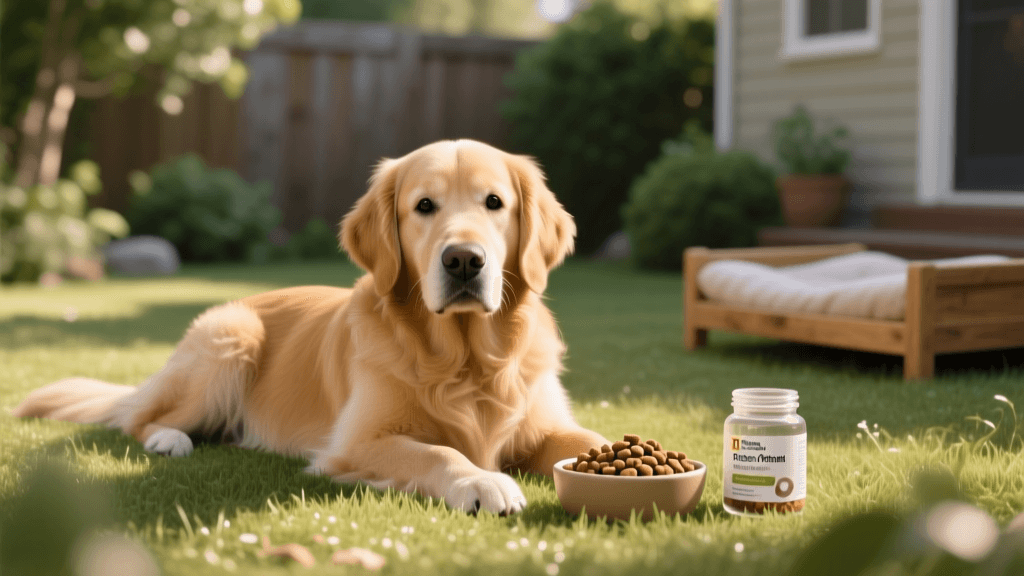
Nutrition plays a vital role in supporting canine brain health during the darker months. Omega-3 fatty acids, specifically EPA (eicosapentaenoic acid) and DHA (docosahexaenoic acid), are critical for maintaining healthy cell membranes in the brain and reducing neuro-inflammation. While many commercial dog foods claim to contain Omega-3s, the processing often degrades the oils. Supplementing with a high-quality, triglyceride-form fish oil is highly recommended. Products like Nordic Naturals Omega-3 Pet (approximately $25) provide a reliable dose. Aim for a combined EPA and DHA dose of roughly 300mg per 10 pounds of body weight daily, but always consult your veterinarian before starting a new supplement regimen.
Additionally, some veterinary behaviorists recommend melatonin supplements to help regulate a dog's sleep-wake cycle if they are experiencing severe insomnia or nighttime pacing due to SAD. Dosages typically range from 1mg to 3mg depending on the dog's weight, administered an hour before bedtime.
When to Consult a Veterinary Behaviorist
While the winter blues are common, severe behavioral changes should never be ignored. If your dog's SAD symptoms escalate to aggression, severe destructive behavior, or complete refusal to eat, it is time to seek professional help. A board-certified veterinary behaviorist can assess whether your dog requires temporary pharmacological intervention, such as Selective Serotonin Reuptake Inhibitors (SSRIs), to help them through the darkest months of the year. Organizations like Fear Free Happy Homes emphasize that addressing emotional distress early prevents long-term behavioral conditioning.
Conclusion
Understanding that your dog's winter lethargy or clinginess is rooted in neurochemistry rather than stubbornness allows you to approach their care with empathy and science-backed strategies. By implementing light therapy, increasing indoor cognitive enrichment, and supporting their diet with targeted Omega-3s, you can help your dog maintain a balanced mood year-round. Remember, seasonal care is not just about keeping your dog warm; it is about keeping their mind active, engaged, and healthy until the spring sun returns.
robin-maitland
All our authors care for dogs every day — read more of their work on the authors page.