Understanding Canine Boredom: Best Puzzle Toys Guide
Discover the psychology of canine boredom and explore our buyer's guide to the best puzzle toys for mental enrichment and behavioral health.
The Evolutionary Psychology of Canine Boredom
When we welcome a dog into our homes, we often focus heavily on their physical needs: daily walks, yard time, and a comfortable bed. However, to truly understand your dog, you must look beyond their physical requirements and examine their cognitive and psychological needs. Dogs are not merely pets; they are highly intelligent, working animals with deep-seated evolutionary instincts. For thousands of years, canines spent the majority of their waking hours scavenging, hunting, herding, and solving complex environmental problems to survive.
Today, the modern domestic dog is often fed from a bowl in a matter of seconds and left alone in a static environment for hours. This sudden shift from an active, problem-solving lifestyle to a sedentary one is a primary driver of canine boredom. According to the American Kennel Club, mental stimulation is just as critical as physical exercise for a dog's overall well-being. When a dog's brain is under-stimulated, they do not simply fall asleep; they seek out their own entertainment, which often manifests as behavioral issues.
Identifying Behavioral Signs of Under-Stimulation
How do you know if your dog is suffering from cognitive boredom? Canines cannot verbalize their frustration, so they communicate through body language and behavior. The ASPCA notes that destructive chewing and household destruction are frequently misdiagnosed as 'bad behavior' when they are actually symptoms of severe under-stimulation and boredom.
Common psychological and behavioral signs that your dog requires more mental enrichment include:
- Destructive Chewing and Digging: Targeting baseboards, shoes, or furniture to release pent-up mental energy.
- Excessive Vocalization: Barking at nothing, whining, or howling when left alone or when the household is quiet.
- Pacing and Restlessness: An inability to settle down, often following owners from room to room.
- Hyperactivity: 'Zoomies' that seem frantic rather than playful, indicating a lack of an appropriate outlet for energy.
- Over-grooming or Licking: Repetitive licking of paws or flanks, which can become a compulsive coping mechanism for boredom.
How to Choose the Right Cognitive Enrichment Tool
Understanding that your dog is bored is only the first step; the second is providing the right outlet. Interactive puzzle toys are designed to mimic the foraging and problem-solving tasks dogs would encounter in the wild. However, not all puzzle toys are created equal. When selecting a cognitive enrichment tool, you must consider your dog's breed instincts, jaw strength, and current problem-solving skill level.
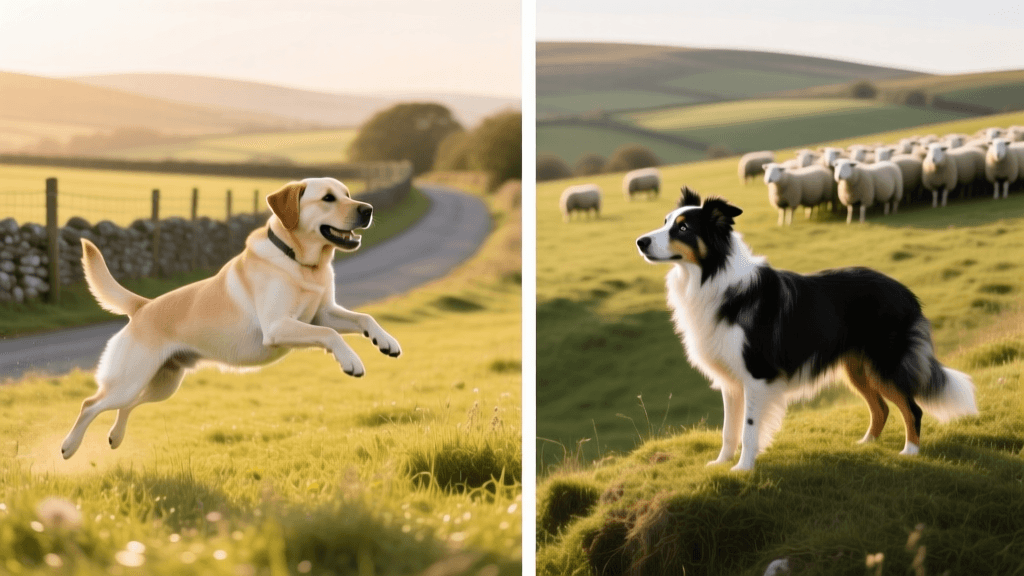
A herding breed like a Border Collie may require complex, multi-step sliding puzzles, while a scent hound like a Beagle will thrive on olfactory-based foraging mats. Furthermore, safety is paramount. Toys must be constructed from non-toxic, durable materials that cannot be broken apart and ingested. The goal is to build your dog's confidence through achievable challenges, not to frustrate them with impossible tasks.
Top Puzzle Toys for Canine Mental Enrichment
1. Outward Hound Nina Ottosson Dog Brick
Best For: Intermediate problem solvers and scent-driven breeds.
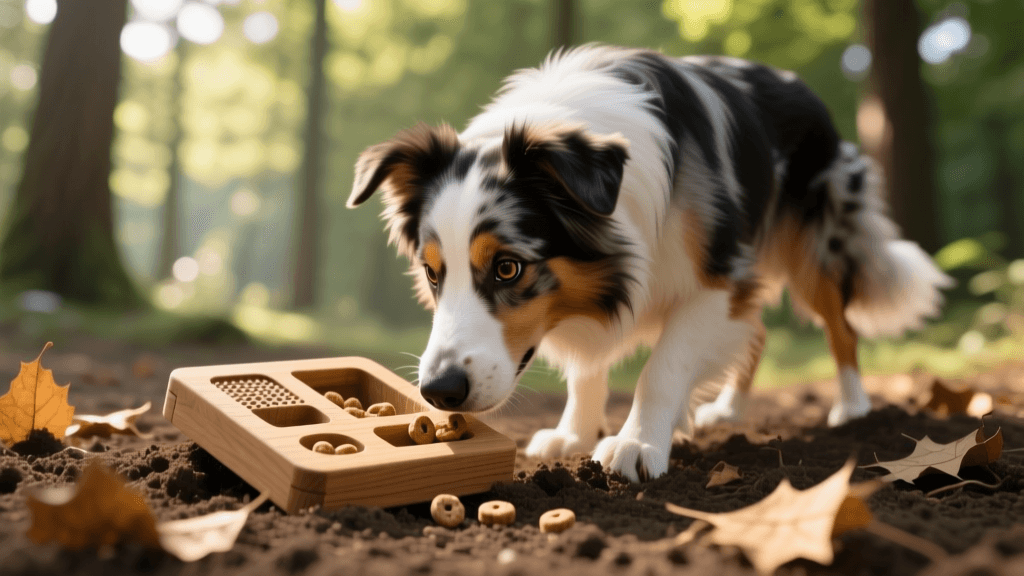
The Dog Brick is a staple in the canine behavioral community. It features a combination of flip covers, sliding blocks, and removable bone-shaped pegs that hide treats. From a psychological standpoint, this toy engages a dog's natural 'paw-and-nose' manipulation instincts. It requires the dog to use sequential thinking—removing the pegs before they can slide the blocks. Price: ~$15. Material: BPA-free, phthalate-free plastic. Pro Tip: Start with the covers open to build confidence before increasing the difficulty.
2. The KONG Classic Rubber Toy
Best For: Power chewers and dogs with separation anxiety.
While often viewed as a simple chew toy, the KONG Classic is a foundational tool for behavioral modification, particularly for dogs suffering from departure anxiety. By stuffing the hollow core with high-value treats, peanut butter, or yogurt and freezing it, you transform the toy into a long-lasting licking and foraging puzzle. Licking is a self-soothing behavior for dogs that releases endorphins, helping to calm their nervous system when you leave the house. Price: ~$15-$20. Material: Ultra-durable natural rubber. Pro Tip: Use the black 'Extreme' version for aggressive chewers.
3. Paw5 Wooly Snuffle Mat
Best For: Fast eaters, senior dogs, and high-prey-drive foragers.
The Snuffle Mat taps directly into a dog's most powerful sense: smell. A dog's olfactory cortex is proportionally much larger than a human's, and sniffing lowers their heart rate and induces a state of calm focus. The Paw5 Wooly mat mimics a grassy field, requiring the dog to hunt for kibble hidden deep within the fabric strands. Ten minutes of intense sniffing can be as physically and mentally exhausting as a one-hour walk. Price: ~$45. Material: Sustainable, upcycled cotton and polyester. Pro Tip: Machine washable, making it highly hygienic for daily use.
4. West Paw Toppl
Best For: Customizable difficulty and multi-dog households.
The Toppl is a modern marvel in canine enrichment. Unlike traditional puzzles, the Toppl features interlocking teeth that allow you to connect a small and large Toppl together, creating a complex, treat-dispensing sphere. This modularity allows you to scale the difficulty as your dog's cognitive skills improve. It satisfies the urge to chew, manipulate, and forage simultaneously. Price: ~$20-$25. Material: Zogoflex (non-toxic, recyclable, dishwasher safe). Pro Tip: Soak kibble in low-sodium bone broth, fill the Toppl, and freeze for a summer cooling puzzle.
Comparative Buyer's Chart
| Product | Primary Instinct Targeted | Difficulty Level | Best For | Avg. Cost |
|---|---|---|---|---|
| Nina Ottosson Dog Brick | Sequential Problem Solving | Intermediate | Smart breeds, scent hounds | $15 |
| KONG Classic | Chewing & Licking (Soothing) | Beginner | Separation anxiety, chewers | $15 - $20 |
| Paw5 Wooly Snuffle Mat | Olfactory Foraging | Beginner/Intermediate | Fast eaters, senior dogs | $45 |
| West Paw Toppl | Manipulation & Foraging | Adjustable | Power chewers, puzzle pros | $20 - $25 |
Behavioral Tips for Introducing Puzzle Toys
Introducing a puzzle toy to a dog who has never experienced cognitive enrichment can lead to frustration rather than engagement. The RSPCA emphasizes that environmental enrichment must be introduced gradually to ensure it builds confidence rather than anxiety.
Follow these behavioral steps for success:
- Start Easy: Leave puzzle compartments open or scatter treats loosely on a snuffle mat so the dog immediately understands that the toy yields food.
- Use High-Value Rewards: In the beginning, use smelly, high-value treats like freeze-dried liver or boiled chicken to motivate the dog to interact with the object.
- Supervise and Assist: Watch your dog's body language. If they begin to aggressively paw or chew the toy out of frustration, step in and guide their nose or paw to the solution.
- Rotate Toys: Dogs habituate to their environment quickly. Keep a rotation of 3-4 different puzzle types to maintain novelty and cognitive engagement.
Behaviorist's Note: Never use a puzzle toy as a replacement for physical exercise or social interaction. Cognitive enrichment is a vital piece of the behavioral puzzle, but it works best when combined with regular physical activity, positive reinforcement training, and bonded companionship.
Conclusion
Understanding your dog requires recognizing that their brain is just as hungry as their stomach. By investing in high-quality, instinct-driven puzzle toys, you are not just buying a pet product; you are actively participating in your dog's psychological health. Whether you have a high-strung working breed or a laid-back senior, incorporating daily mental enrichment will reduce destructive behaviors, alleviate anxiety, and foster a deeper, more harmonious bond between you and your canine companion.
beth-carrasco
All our authors care for dogs every day — read more of their work on the authors page.