Understanding Your Adolescent Dog: Navigating the Teenage Phase
Discover why your adolescent dog is acting out. Learn about canine teenage fear periods, brain development, and actionable training tips for this life stage.
The Canine Teenager: What is Dog Adolescence?
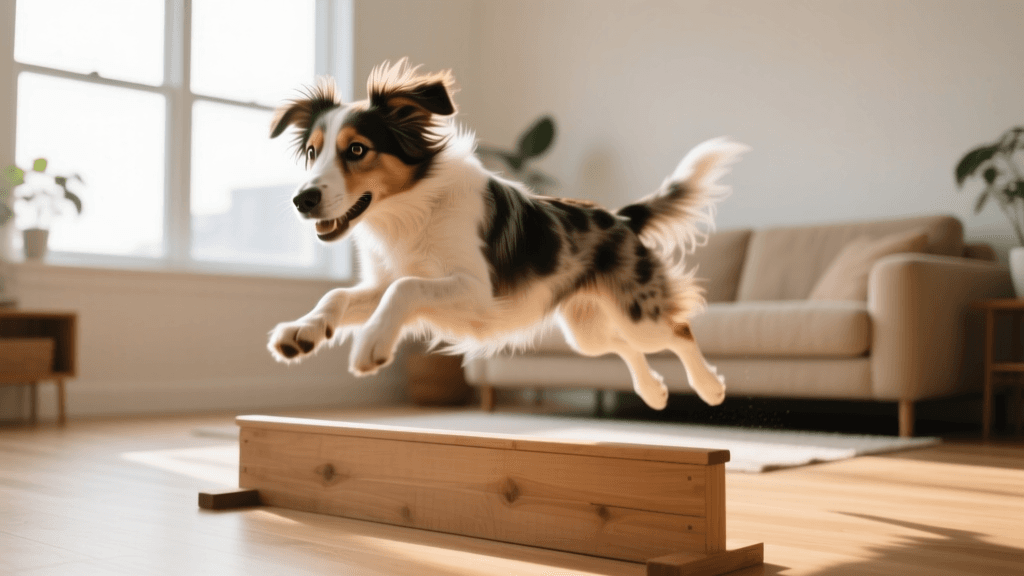
You survived the sleepless nights, the potty training accidents, and the chewed-up shoes of early puppyhood. But just as you think you have a perfectly trained companion, your 8-month-old Labrador suddenly forgets how to sit, ignores your recall commands, and acts terrified of the neighbor's trash can. Welcome to canine adolescence. This life stage is arguably the most misunderstood period in a dog's development, often leading to frustration and, tragically, the surrender of many dogs to shelters.
Adolescence in dogs typically begins anywhere from 5 to 10 months of age, depending on the breed and size, and can last until the dog is 18 to 24 months old. Small breeds mature faster, while giant breeds may exhibit teenage behaviors well into their second year. During this time, your dog is not intentionally being stubborn or dominant. Instead, they are undergoing a massive neurological and physiological remodeling process.
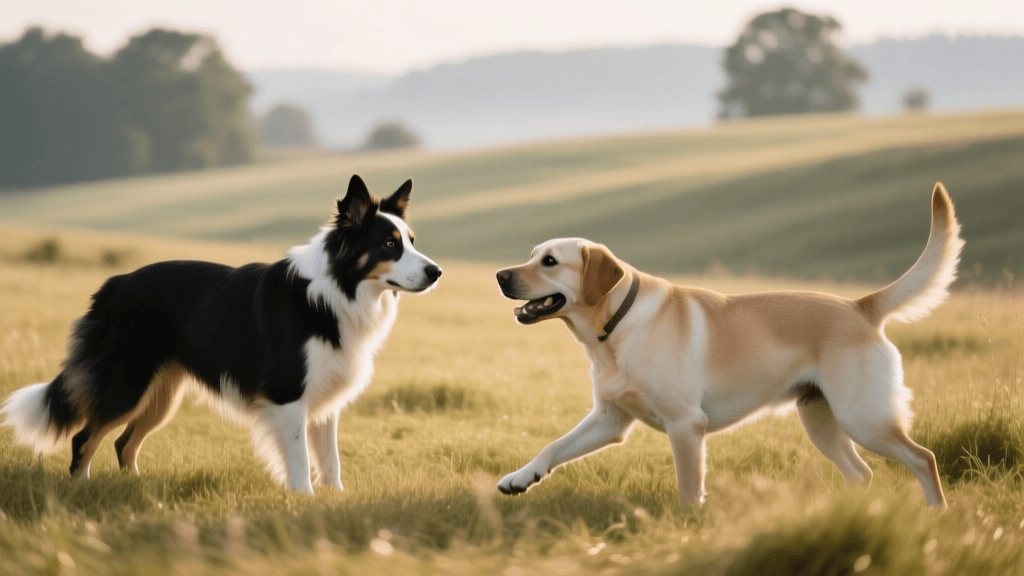
According to a landmark 2020 study published in Biology Letters by Dr. Lucy Asher and her team, dogs experience a specific phase of reduced trainability and increased conflict with their caregivers during puberty. The study found that adolescent dogs were significantly less likely to obey commands given by their primary caregivers compared to commands given by strangers, perfectly mirroring the parent-teenager conflict seen in human psychology. Understanding the science behind this phase is the first step toward maintaining a strong bond with your dog.
Neurological Remodeling: The Teenage Brain
To understand why your adolescent dog behaves the way they do, we must look at the canine brain. During adolescence, the brain undergoes 'synaptic pruning,' a process where excess neural connections are eliminated to increase efficiency. The prefrontal cortex—the area responsible for impulse control, decision-making, and emotional regulation—is under heavy construction.
Simultaneously, the amygdala, which processes fear and emotional responses, is highly active. This imbalance means your adolescent dog literally lacks the neurological hardware to consistently control their impulses or regulate their fear responses. When your dog chases a squirrel despite months of recall training, it is because the dopamine reward center of their brain is overpowering their underdeveloped prefrontal cortex.
Adolescent dogs are not intentionally being stubborn; they are experiencing a neurological remodeling phase that temporarily impairs their impulse control and response to familiar cues.
The Second Fear Period: Why Your Dog is Suddenly Spooked
One of the most alarming aspects of this life stage is the onset of the 'second fear period.' The American Kennel Club (AKC) identifies this window, typically occurring between 6 and 14 months of age, as a critical developmental phase. From an evolutionary psychology perspective, this period aligns with the time when ancestral wolves would begin exploring further from the safety of the den. A healthy dose of fear and hyper-vigilance kept them alive in the wild.
In a modern domestic setting, this translates to your dog suddenly acting terrified of objects they previously ignored, such as fire hydrants, plastic bags blowing in the wind, or people wearing hats.
Actionable Protocol for Managing Fear Periods
- Never Force an Interaction: If your dog is scared of a trash can, do not drag them toward it to 'show them it is safe.' This will only flood their amygdala and reinforce the phobia.
- Use the 'Look at That' Game: Stand at a distance where your dog notices the trigger but remains under their fear threshold. The moment they look at the trigger, click a clicker or say 'Yes!' and offer a high-value treat. This rewires the brain to associate the scary object with positive outcomes.
- Invest in High-Value Rewards: Kibble will not cut it during a fear period. Use soft, aromatic treats like Zuke's Mini Naturals (approx. $6 per 6oz bag) or boiled chicken breast. The strong scent and taste help override the dog's stress response.
Hormonal Shifts and Instinctual Behaviors
Adolescence is also marked by a surge in sex hormones. Even if you plan to spay or neuter your dog, the onset of puberty triggers instinctual behaviors such as roaming, scent marking, and mounting. Intact male dogs may begin wandering miles from home if they catch the scent of a female in estrus, while intact females may experience mood fluctuations during their heat cycles.
The decision of when to alter your dog is complex. The American Veterinary Medical Association (AVMA) notes that the decision to spay or neuter should be made in consultation with your veterinarian, taking into account the dog's breed, size, and lifestyle. Recent veterinary consensus suggests delaying spay/neuter surgeries for large and giant breeds until they are 12 to 18 months old to allow for proper joint development and growth plate closure, which can also influence behavioral maturity.
Actionable Management: Tools and Training Strategies
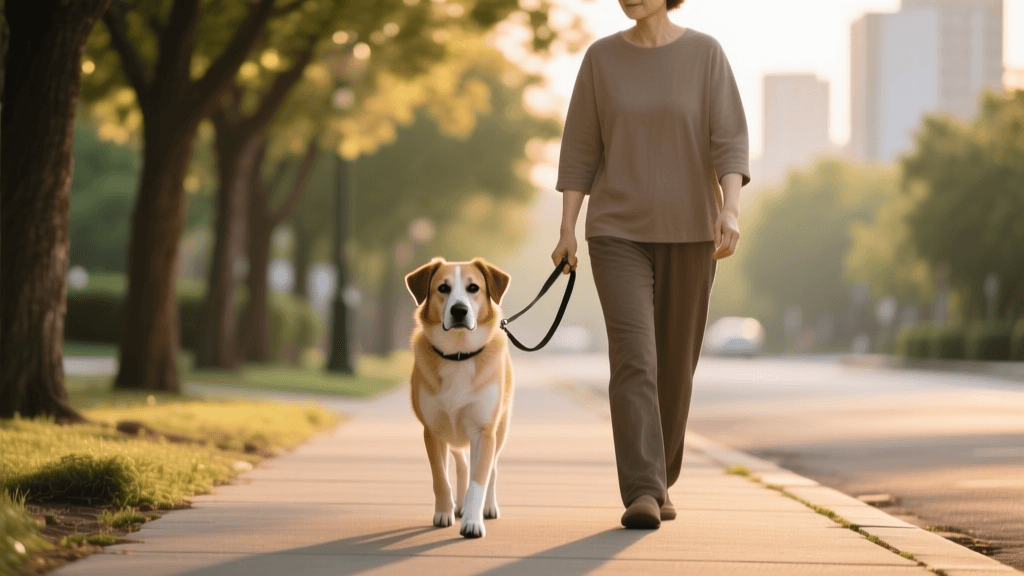
Because your adolescent dog's recall is likely compromised by environmental distractions and hormonal urges, off-leash privileges should be temporarily revoked. Management is just as important as training during this life stage.
Essential Adolescent Dog Gear
| Tool | Purpose | Estimated Cost | Recommendation |
|---|---|---|---|
| Biothane Long-Line (15-30 ft) | Safe recall practice and sniffaris without the risk of bolting. | $25 - $45 | Waterproof, easy to clean, prevents rope burn. |
| Front-Clip Harness | Reduces pulling leverage while the dog learns leash manners. | $35 - $50 | Ruffwear Front Range or similar Y-shaped harness. |
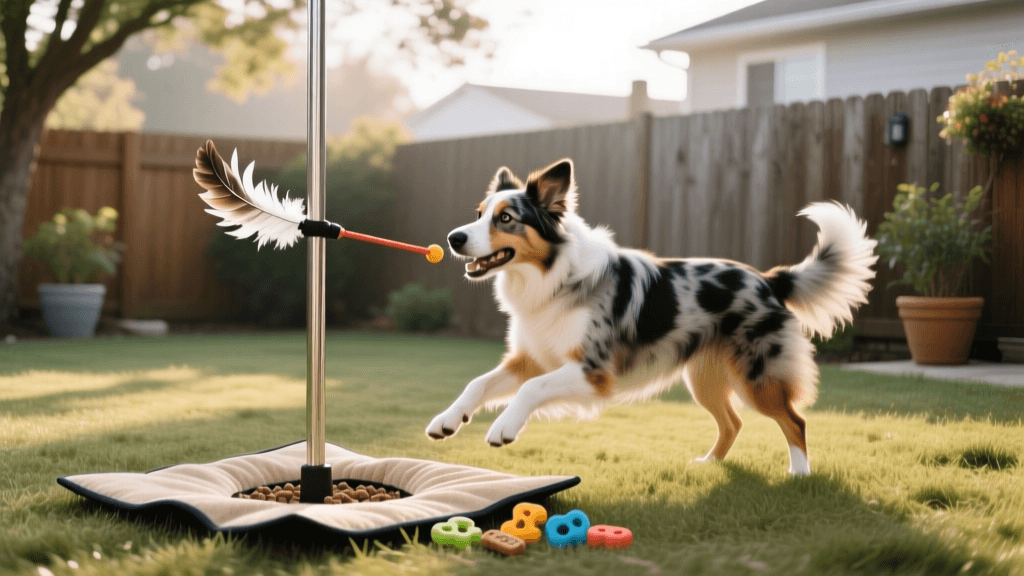
| Snuffle Mat | Mental enrichment that mimics natural foraging instincts. | $15 - $30 | Use daily for meals to drain mental energy. |
| KONG Classic (Rubber) | Soothes chewing urges and provides independent play. | $12 - $18 | Stuff with peanut butter and freeze for 4 hours. |
The '15-Foot Recall' Exercise
To rebuild your recall cue, you must make yourself more rewarding than the environment. Attach your dog to a 15-foot Biothane long-line. Walk in a quiet area. When your dog is sniffing and not paying attention to you, say their name followed by your recall cue (e.g., 'Come!'). Gently reel them in if necessary. The second they reach you, throw a 'jackpot' reward—three to five high-value treats in a row. Repeat this 10 times per walk. This rebuilds the neural pathway that associates returning to you with massive dopamine rewards.
Life Stage Comparison Chart
Understanding how adolescence fits into the broader scope of your dog's life helps contextualize their behavior. Below is a comparison of behavioral focuses across different life stages.
| Life Stage | Age Range | Primary Behavioral Focus | Key Management Strategy |
|---|---|---|---|
| Puppyhood | 8 weeks - 6 months | Socialization, bite inhibition, potty training. | Strict schedule, controlled exposure, puppy-proofing. |
| Adolescence | 6 months - 18/24 months | Impulse control, fear periods, hormonal urges. | Long-line management, mental enrichment, patience. |
| Adulthood | 2 years - 7 years | Maintenance of training, routine, physical health. | Consistent exercise, advanced sports, regular vet care. |
| Senior | 7+ years (varies by breed) | Cognitive decline, mobility issues, comfort. | Orthopedic beds, shorter walks, canine cognitive enrichment. |
When to Seek Professional Help
While teenage rebellion is normal, certain behaviors cross the line from developmental phases into clinical issues. If your dog exhibits severe leash reactivity, resource guarding, or fear-based aggression (lunging, snapping, or biting when cornered or frightened), it is time to seek professional help.
Do not rely on outdated 'dominance' or 'alpha' training methods, which can severely damage your relationship with a fearful adolescent dog. Instead, look for a Certified Professional Dog Trainer (CPDT-KA) or a Certified Applied Animal Behaviorist (CAAB). Expect to invest between $100 to $150 per session for a CPDT-KA, or $150 to $300+ for a CAAB. This investment is crucial for ensuring your dog safely transitions into a well-adjusted adult.
Conclusion: Patience is Your Greatest Tool
The adolescent phase is temporary. By understanding the psychological and neurological changes occurring beneath the surface, you can replace frustration with empathy. Manage your dog's environment with long-lines and harnesses, provide robust mental enrichment, and continue to reward the behaviors you want to see. Your teenager is still the same wonderful puppy you brought home; they just need your guidance to navigate the turbulent waters of growing up.
beth-carrasco
All our authors care for dogs every day — read more of their work on the authors page.