The Ultimate Puppy Starter Kit: Essential Gear Buyer's Guide
Discover the essential gear for your new puppy. Our buyer's guide reviews top crates, beds, and bowls to help you prepare for your dog's first day home.
Welcome Home: Navigating the Puppy Gear Aisle
Bringing a new puppy home is one of the most exciting milestones in life, but stepping into a pet supply store or browsing online retailers can quickly turn that excitement into overwhelm. With thousands of products claiming to be 'must-haves,' new dog owners often end up overspending on unnecessary gadgets or, worse, purchasing low-quality gear that needs replacing within weeks. According to the American Kennel Club (AKC), preparing a focused, high-quality puppy shopping list before your dog arrives is crucial for a smooth transition. This comprehensive buyer's guide cuts through the marketing noise to review the essential gear you actually need, complete with specific product recommendations, sizing metrics, and cost expectations to help you build the ultimate puppy starter kit.
The Essential Puppy Crate: Your Dog's Safe Haven
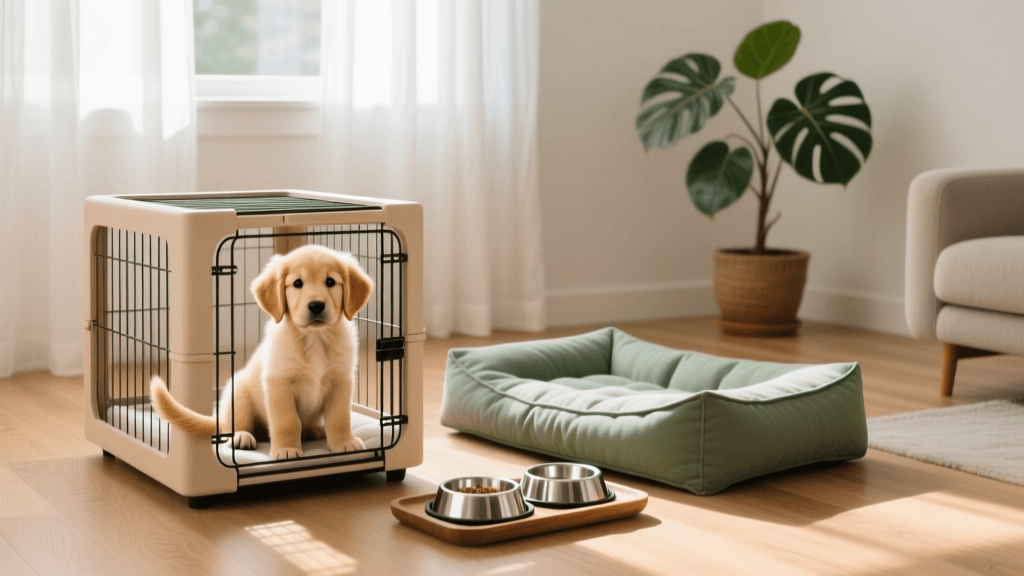
A crate is not just a containment tool; it is a vital instrument for housebreaking, preventing destructive behavior, and providing your puppy with a secure den. The Humane Society of the United States emphasizes that a crate should always be introduced as a safe, positive haven and never used as a form of punishment. When selecting a crate, sizing is everything. You should measure your puppy from the tip of their nose to the base of their tail, and from the top of their head to the ground, adding 2 to 4 inches to both measurements to determine the minimum interior dimensions.
Top Pick: MidWest Homes for Pets iCrate (Wire)
For most growing puppies, a wire crate with a divider panel is the most economical and practical choice. The MidWest iCrate allows you to adjust the interior space as your puppy grows, preventing them from soiling one end of the crate and sleeping in the other. It features double doors for flexible room placement, slide-bolt latches for security, and a leak-proof plastic pan that is easy to remove and sanitize. Expect to pay between $60 and $90 depending on the size.
Crate Type Comparison Chart
| Crate Type | Pros | Cons | Best For | Estimated Cost |
|---|---|---|---|---|
| Wire Crate | Excellent ventilation, foldable, includes divider panels. | Heavy, visually obtrusive, not ideal for travel. | Home training, growing puppies. | $50 - $90 |
| Plastic Kennel | Durable, den-like feel, airline-approved options available. | Poor ventilation, harder to clean, bulky to store. | Travel, heavy chewers, anxious dogs. | $80 - $130 |
| Soft-Sided | Lightweight, highly portable, easy to store. | Zero chew-resistance, difficult to wash accidents. | Small breeds, already crate-trained dogs. | $30 - $60 |
Pro Tip: If you opt for a plastic kennel like the Petmate Sky Kennel, ensure you purchase a size that allows your adult dog to stand up without ducking and turn around completely without touching the sides.
Choosing the Right Puppy Bed: Comfort vs. Durability
It is incredibly tempting to buy a luxurious, $150 orthopedic memory foam bed for your new arrival. However, puppies go through a relentless teething and chewing phase between 3 and 6 months of age. During this time, expensive beds are often shredded, posing a severe intestinal blockage risk if the stuffing is ingested. For the first year, prioritize durability and washability over premium orthopedic support.
Top Pick: K&H Pet Products Original Bolster Pet Cot
An elevated cot like the K&H Pet Products Bolster Cot is an excellent investment for puppies. Priced around $40 to $60, it features a breathable mesh center that keeps puppies cool, while the bolstered edges provide a sense of security. Because it lacks plush stuffing, there is significantly less incentive for destructive chewing, and the entire cot can be hosed down or wiped clean in seconds. Once your dog outgrows the destructive chewing phase (usually around 1.5 to 2 years of age), you can safely transition to a plush, orthopedic bed.
Food and Water Bowls: Materials Matter
When it comes to bowls, material is far more important than aesthetics. Plastic bowls are highly porous, harboring bacteria that can cause canine acne and skin infections on your puppy's chin and muzzle. Furthermore, some dogs develop contact allergies to plastic dyes. Always opt for high-quality, food-grade stainless steel or heavy ceramic bowls.
Top Pick for Fast Eaters: Outward Hound Fun Feeder
If you have a Labrador Retriever, Beagle, or any breed prone to inhaling their food, a slow feeder is a non-negotiable essential. Fast eating can lead to choking, vomiting, and in deep-chested breeds, life-threatening Gastric Dilatation-Volvulus (bloat). The Outward Hound Fun Feeder (approx. $15) features intricate maze-like ridges that force puppies to forage for their kibble, extending mealtime by up to 10 times. It is made from BPA-free, phthalate-free materials and features a non-slip base to prevent the bowl from sliding across hardwood floors.
Collars, Harnesses, and Leashes: Protecting the Trachea
While a flat collar is necessary for holding your puppy's ID and rabies tags, it should never be used for leash walking during the puppy stage. Puppies have delicate, developing tracheas, and the sudden pulling or lunging common in young dogs can cause severe neck and throat injuries. A well-fitted, front-clip harness is the safest and most effective tool for leash training.
Top Pick: Ruffwear Front Range Harness
The Ruffwear Front Range Harness (approx. $40) is widely considered the gold standard for dog owners. It features two leash attachment points: a reinforced webbing loop on the chest (which gently redirects pulling puppies back toward you) and an aluminum V-ring on the back for casual walks. The foam-padded chest plate prevents chafing, and the four points of adjustment ensure a snug, custom fit. To measure your puppy for a harness, use a soft tailor's tape to measure their girth (the widest part of the ribcage, just behind the front legs). You should always be able to slip two fingers comfortably between the harness straps and your puppy's skin.
Enrichment Toys and Puppy-Proofing Essentials
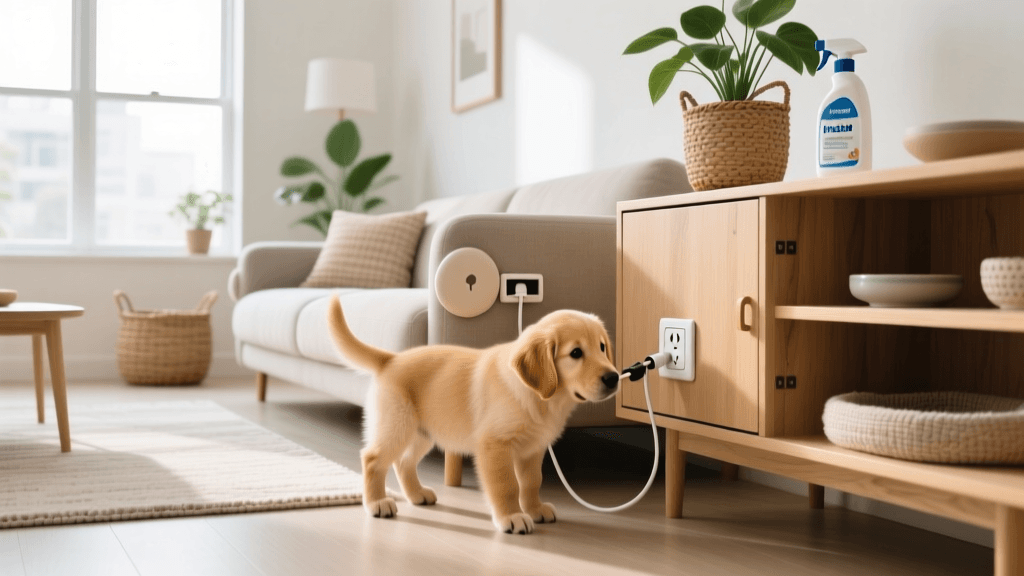
Puppies explore the world with their mouths, and without appropriate outlets, your baseboards, shoes, and furniture will pay the price. The ASPCA strongly recommends proactive puppy-proofing and providing a variety of textured chew toys to satisfy natural urges and soothe teething gums.
- KONG Classic Puppy (Red or Pink): Made from a softer, puppy-specific rubber formula, this toy is gentle on developing teeth. Stuff it with a mixture of plain yogurt, pumpkin puree, and kibble, then freeze it overnight for a long-lasting, soothing teething treat. ($12 - $18)
- Nylabone Power Chew: For aggressive chewers, these textured nylon bones help clean teeth and satisfy the urge to gnaw without splintering like real wood or rawhide. ($10 - $15)
- Snuffle Mat: Mental enrichment tires a puppy out just as much as physical exercise. A snuffle mat allows puppies to use their powerful sense of smell to hunt for hidden treats, reducing anxiety and preventing boredom-based destruction. ($20 - $30)
Budgeting for Your First Year: A Cost Breakdown
Understanding the financial commitment of getting a dog is just as important as selecting the right gear. While initial setup costs can seem high, investing in durable, high-quality items saves money in the long run by preventing replacements and veterinary bills related to unsafe gear. Here is a quick baseline budget for your essential puppy starter kit:
- Wire Crate & Divider: $70
- Elevated Cot Bed: $50
- Stainless Steel Bowls (Set of 2): $25
- Front-Clip Harness & 6-foot Leather/Biothane Leash: $75
- Enrichment Toys (KONG, Snuffle Mat, Chews): $50
- Puppy-Proofing Supplies (Bitter Apple spray, cable covers, baby gates): $60
- Total Estimated Initial Gear Cost: $330
Final Thoughts
Preparing for a new puppy requires a balance of foresight, practicality, and patience. By focusing on safe, durable, and functional gear—like a properly sized wire crate, a front-clip harness, and stainless steel slow feeders—you set the foundation for a well-adjusted, healthy dog. Avoid the temptation to buy every flashy gadget on the market; instead, rely on proven essentials that prioritize your puppy's physical safety and mental enrichment. With the right starter kit assembled before their paws ever touch your floor, you can focus on what truly matters: bonding with your new best friend.
anouk-beaumont
All our authors care for dogs every day — read more of their work on the authors page.