Golden Retriever vs Labrador: Ultimate Family Guide
Golden Retriever vs Labrador? Compare temperament, costs, grooming, and health to find the perfect family dog. Read our ultimate breed guide today.
The Great Family Dog Debate: Golden Retriever vs. Labrador Retriever
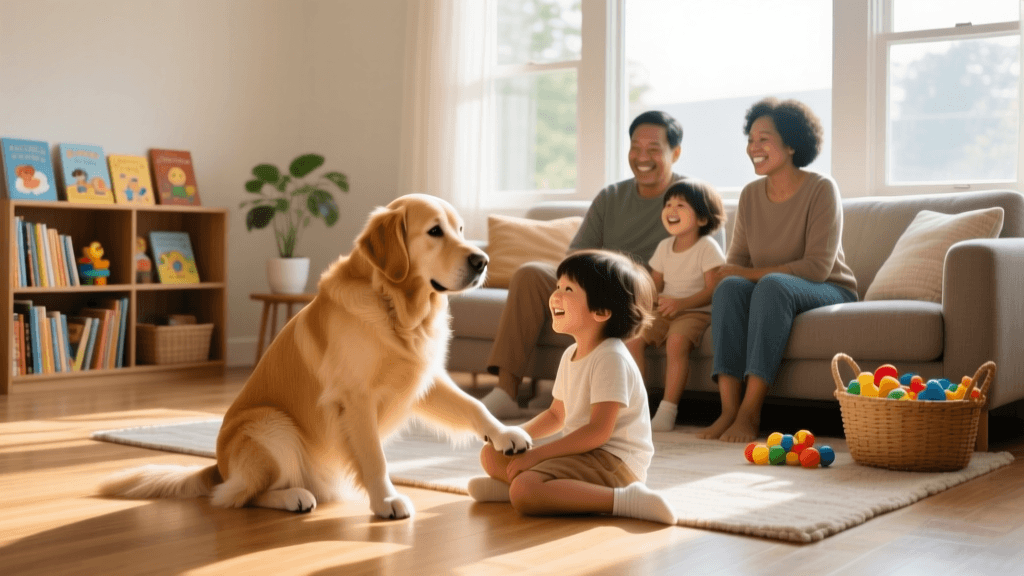
When families begin their journey into dog ownership, two breeds consistently rise to the top of the wish list: the Golden Retriever and the Labrador Retriever. According to the American Kennel Club, the Labrador has held the number one or two spot in popularity for decades, while the Golden Retriever remains a close, beloved contender. Both are renowned for their loyalty, intelligence, and gentle mouths. But beneath their similar reputations as the quintessential family dogs lie distinct differences in temperament, grooming needs, health profiles, and financial requirements. This comprehensive guide will break down the Golden Retriever vs. Labrador debate to help you make an informed, confident decision for your household.
Breed Origins and Core Purpose
Understanding a dog's history provides incredible insight into its modern-day behavior. The Labrador Retriever actually originated in Newfoundland, Canada, not Labrador. They were bred from the St. John's Water Dog to help fishermen retrieve nets, fetch ropes, and catch fish that escaped hooks. This history explains the modern Lab's intense love for water, their 'otter-like' tail used for ruddering, and their high-octane stamina.
The Golden Retriever, on the other hand, was developed in the Scottish Highlands during the mid-19th century by Lord Tweedmouth. He sought to create the ultimate hunting companion capable of retrieving waterfowl and upland game over rugged, wet terrain. By crossing a Yellow Retriever with the now-extinct Tweed Water Spaniel, and later introducing Bloodhound and Irish Setter genetics, Lord Tweedmouth created a dog with a softer mouth, a more sensitive disposition, and a luxurious, water-repellent double coat.
Temperament and Personality Showdown
While both breeds are famously affectionate and excellent with children, their energy expressions differ significantly. Labrador Retrievers are often described as boisterous, clownish, and relentlessly enthusiastic. They tend to mature slower, retaining their rambunctious puppy-like behavior well into their third or fourth year. Labs are incredibly food-motivated, which makes training highly effective but also means they are notorious counter-surfers and garbage-raiders.
Golden Retrievers are generally slightly more sensitive, observant, and eager to please in a softer way. They tend to mature a bit faster than Labs, often settling into a calmer household rhythm by age two or three. While a Lab might knock over a toddler in its excitement to greet them, a Golden is more likely to lean against your leg for a gentle petting session. However, both breeds suffer from severe separation anxiety if left alone for long periods; they are pack animals that thrive on constant human interaction.
Physical Traits and Size Comparison
Both breeds are classified as large, sporting dogs, but their physical builds and coat types require different considerations for your home environment.
| Trait | Labrador Retriever | Golden Retriever |
|---|---|---|
| Height (Male) | 22.5 - 24.5 inches | 23 - 24 inches |
| Weight (Male) | 65 - 80 lbs | 65 - 75 lbs |
| Coat Type | Short, dense, hard double coat | Medium-to-long, wavy double coat with heavy feathering |
| Colors | Black, Yellow, Chocolate | Various shades of rich, lustrous golden |
| Shedding Level | High (seasonal blowouts) | Moderate to High (year-round with seasonal peaks) |
Exercise and Mental Stimulation Needs
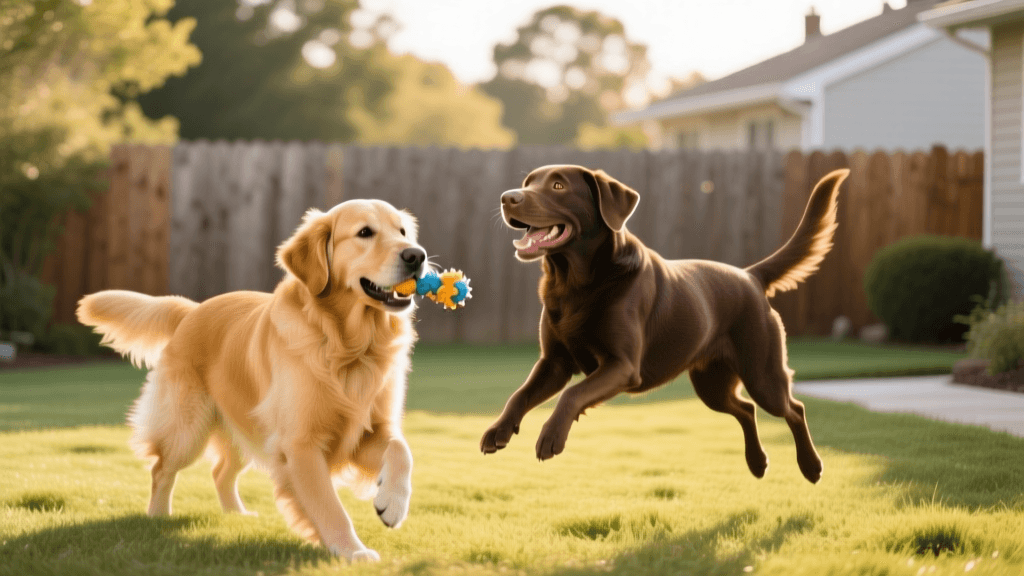
A common misconception is that these breeds will naturally 'tire themselves out' in a fenced backyard. This is false. Both breeds require a minimum of 60 to 90 minutes of vigorous, structured exercise daily to prevent destructive behaviors like chewing baseboards or digging up landscaping.
Meeting the Labrador's Needs
- Physical: Swimming, dock diving, and high-intensity fetch. A Chuckit! Ball Launcher is highly recommended to save your shoulder while meeting their fetching drive.
- Mental: Scent work and puzzle feeders. Because Labs are food-driven, using a Kong Classic stuffed with frozen peanut butter and kibble can keep them occupied for hours.
Meeting the Golden Retriever's Needs
- Physical: Long-distance hiking, jogging, and retrieving. They excel at agility courses and tracking.
- Mental: Advanced obedience training and trick learning. Goldens thrive on verbal praise and bonding through structured learning sessions.
Grooming and Maintenance Costs
This is where the two breeds diverge sharply in terms of time and financial commitment. The Golden Retriever's luxurious coat requires dedicated maintenance. You will need to brush a Golden at least three to four times a week using a high-quality slicker brush and an undercoat rake to prevent painful matting behind the ears, under the armpits, and on the hindquarters. Professional grooming every 8 to 12 weeks for a sanitary trim and nail clipping will cost between $60 and $90 per session.
The Labrador's short coat is deceptively high-maintenance in a different way. While you only need to brush them once or twice a week with a rubber curry brush or a deshedding tool, their shedding is legendary. During the spring and fall 'blowouts,' you will find Lab hairs woven into your clothing, embedded in your carpets, and floating in your coffee. A high-quality pet vacuum, such as the Shark Navigator Pet Pro, is a non-negotiable investment for Lab owners.
Health Screening and Lifespan
Both breeds share a life expectancy of 11 to 13 years and are prone to similar orthopedic issues, notably Hip and Elbow Dysplasia. The Orthopedic Foundation for Animals (OFA) strongly recommends that breeders screen all breeding stock for these conditions. Never purchase a puppy from a breeder who cannot provide official OFA or PennHIP certification for the parents' joints.
Breed-Specific Health Risks
Golden Retrievers: Tragically, Goldens have a significantly higher predisposition to cancers, particularly hemangiosarcoma and lymphoma. Responsible breeders now participate in the Golden Retriever Lifetime Study to track and mitigate these genetic vulnerabilities. They are also prone to ichthyosis (a skin condition) and certain heart defects like Subvalvular Aortic Stenosis (SAS).
Labrador Retrievers: Labs are highly prone to obesity, which exacerbates joint issues. They are also uniquely susceptible to Exercise-Induced Collapse (EIC), a genetic disorder that causes muscle weakness and collapse after intense exercise. Reputable Lab breeders will provide DNA test results proving the parents are clear of the EIC gene mutation.
Financial Breakdown: First Year Costs
Owning a large breed dog is a significant financial undertaking. Below is an estimated breakdown of the first-year costs for either breed. Note that Goldens typically incur higher grooming costs, while Labs may incur higher costs for replacing destroyed toys and household items during their extended puppy phase.
| Expense Category | Labrador Retriever | Golden Retriever |
|---|---|---|
| Puppy Purchase (Reputable Breeder) | $1,500 - $2,500 | $2,000 - $3,500 |
| Initial Vet Care (Vaccines, Microchip, Spay/Neuter) | $600 - $900 | $600 - $900 |
| High-Quality Large Breed Food (Annual) | $750 - $950 | $750 - $950 |
| Professional Grooming (Annual) | $0 - $150 (Baths only) | $400 - $600 |
| Supplies (Crate, Bed, Leashes, Toys) | $300 - $500 | $300 - $500 |
| Group Obedience Training | $150 - $300 | $150 - $300 |
| Estimated First-Year Total | $3,300 - $5,300 | $4,200 - $6,750 |
Making the Final Decision
Choosing between a Golden Retriever and a Labrador Retriever ultimately comes down to your lifestyle, your tolerance for mess, and your time availability. If you are an active, outdoorsy family who loves weekend camping trips, swimming in lakes, and doesn't mind a bit of mud and a highly energetic, goofy companion, the Labrador Retriever is your perfect match. Their short coat is easier to wash off after a hike, and their robust stamina will keep up with your most adventurous days.
Conversely, if you prefer long, scenic hikes followed by quiet evenings on the couch, and you are willing to commit to a strict grooming schedule to maintain a beautiful, flowing coat, the Golden Retriever is the ideal choice. Their slightly softer temperament and intuitive empathy make them exceptional companions, therapy dogs, and gentle guardians for young children.
Pro Tip for New Owners: Regardless of which breed you choose, enroll your puppy in a structured socialization class between 8 and 14 weeks of age. The critical socialization window closes rapidly, and early exposure to diverse people, surfaces, and sounds is the single most important factor in raising a stable, confident family dog.
Both the Golden and the Lab will reward your dedication with a decade of unparalleled loyalty, wet-nosed kisses, and joyful tail wags. By understanding their unique needs and preparing your home and budget accordingly, you are setting the stage for a beautiful, lifelong bond with your new best friend.
beth-carrasco
All our authors care for dogs every day — read more of their work on the authors page.