Decoding Dog Calming Signals In Multi-Pet Households 2026
Learn to spot dog calming signals in multi-pet homes. Our 2026 guide prevents conflicts and reduces stress in multi-dog households using proven techniques.
As we navigate the dense urban housing trends of 2026, multi-dog households are more common than ever. While sharing your life with multiple canines brings immense joy, it also requires a nuanced understanding of canine communication. Dogs are highly social animals that rely on a complex vocabulary of body language to maintain harmony and avoid conflict. At the heart of this vocabulary are "calming signals"—subtle gestures used to de-escalate tension, self-soothe, and communicate peaceful intentions.
Coined by pioneering Norwegian dog trainer Turid Rugaas, the concept of calming signals has revolutionized how modern behaviorists interpret dog interactions. In a multi-pet home, missing these signals can lead to chronic stress or sudden behavioral flare-ups. This comprehensive 2026 guide will help you decode these vital communications, manage your home environment, and foster a peaceful multi-dog household.
The Science Behind Canine Calming Signals
Calming signals are evolutionary survival tools. In the wild, physical combat is costly and dangerous; therefore, canines developed a sophisticated system of appeasement gestures to resolve disputes without violence. According to The Humane Society of the United States, understanding these subtle cues is the foundation of responsible pet ownership and behavioral management.
In a modern 2026 multi-pet home, these signals are constantly being exchanged. When a new rescue dog is introduced to a resident senior dog, or when resources like high-value treats are distributed, dogs are actively reading and projecting calming signals. Unfortunately, human owners often misinterpret these gestures as indifference, stubbornness, or sleepiness, inadvertently punishing the dog for attempting to keep the peace.
The 7 Core Calming Signals to Watch For
To effectively manage a multi-dog household, you must learn to spot the following seven signals in real-time.
1. Yawning Out of Context
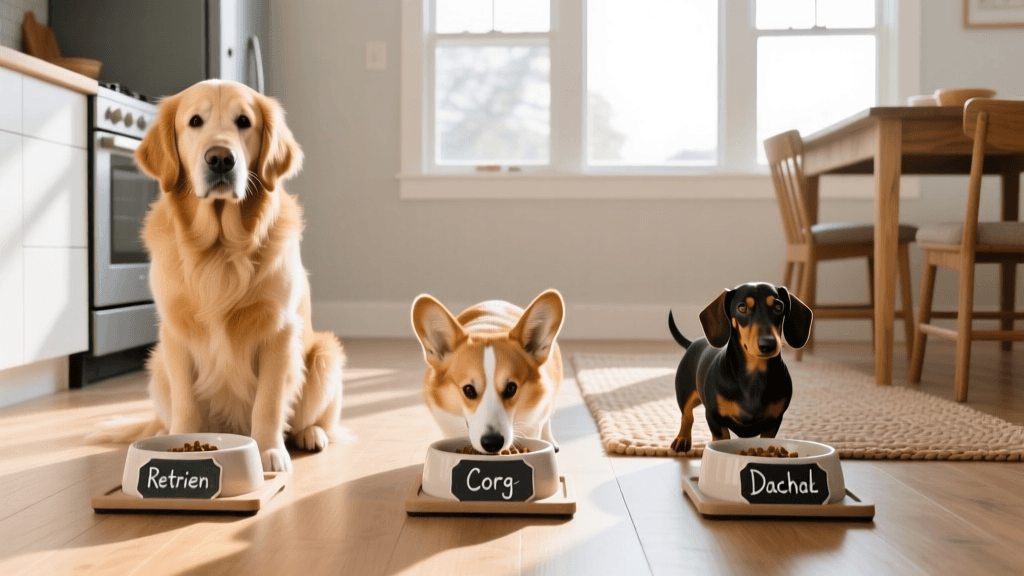
While yawning before a nap is normal, a dog that yawns during a tense interaction, a veterinary visit, or when being scolded is not tired. This is a primary stress-relief mechanism. In a multi-dog home, if Dog A approaches Dog B's food bowl and Dog B begins to yawn rapidly, Dog B is signaling anxiety and attempting to diffuse the impending confrontation.
2. Lip and Nose Licking
Quick, repetitive flicks of the tongue over the nose or lips are a classic appeasement signal. It is often one of the first indicators of mild discomfort. If you are introducing a new puppy to your resident dog and the older dog repeatedly licks its lips while looking away, it is asking for space. Recognizing this early prevents the older dog from feeling forced to escalate to a growl or snap.
3. Turning Away or Averting Gaze
Direct, prolonged eye contact is considered a challenge or threat in canine society. When a dog turns its head away, exposes the side of its neck, or completely turns its back, it is communicating peaceful intentions. If two dogs meet in a narrow hallway and one turns its head to the wall, it is actively trying to prevent a territorial clash.
4. Ground Sniffing (Displacement Behavior)
Suddenly becoming intensely interested in a seemingly boring patch of carpet or grass is a displacement behavior. When faced with a stressful stimulus—such as a loud noise or an overly boisterous housemate—a dog may sniff the ground to avoid eye contact and lower the emotional temperature of the room.
5. Walking in Curves
Dogs naturally approach one another in a curved or arc-like path rather than a straight line. A direct, head-on approach is confrontational. If your dogs are navigating a shared space, observe their paths. A well-adjusted multi-dog household will feature dogs naturally curving around each other in doorways and hallways to maintain mutual respect.
6. Freezing and Slow Movements
When a dog feels overwhelmed or threatened, it may freeze entirely or move in extreme slow motion. This is often seen when a smaller dog is being chased by a larger, more playful housemate. The smaller dog will slow down or freeze to signal that it is not a threat and does not wish to engage in the high-energy game.
7. The "Shake Off"
You have likely seen your dog shake its entire body as if wet, even when completely dry. This "shake off" is a physiological reset button. It is used to release accumulated adrenaline and tension after a stressful event, such as a tense standoff over a toy or an exciting greeting at the door.
Signal vs. Misinterpretation: A 2026 Management Guide
Understanding the signal is only half the battle; knowing how to manage the environment in response is where modern dog ownership excels. Below is a structured guide to interpreting and acting on these signals.
| Canine Signal | Common Owner Misinterpretation | Actual Canine Meaning | 2026 Home Management Action |
|---|---|---|---|
| Yawning | The dog is bored or sleepy. | Acute stress or de-escalation attempt. | Provide a decompression zone with a white-noise machine. |
| Lip Licking | The dog is hungry or anticipating food. | Mild anxiety or appeasement. | Increase physical distance between the dogs immediately. |
| Turning Head | The dog is ignoring commands. | Polite refusal and conflict avoidance. | Do not force eye contact; reward the calm choice. |
| Ground Sniffing | The dog is distracted or stubborn. | Displacement to avoid confrontation. | Redirect with a low-stress scatter feeding activity. |
| Freezing | The dog is being stubborn or defiant. | Fear response and plea for space. | Call the more boisterous dog away using a recall cue. |
Designing a Low-Stress Environment for 2026 Homes
Modern veterinary behaviorists emphasize that environmental design is just as critical as active training. In 2026, we have access to better tools and spatial design concepts to support canine mental health in multi-pet homes.
Implementing Visual Barriers
Constant visual stimulation can keep dogs in a state of low-grade arousal. Utilizing frosted glass pet gates or privacy window films on lower door panels allows light to enter while blocking the direct line of sight between dogs resting in different rooms. This simple modification drastically reduces territorial pacing and barrier frustration.
Leveraging Smart Home Pet Tech
The latest 2026 AI-driven pet cameras do more than just stream video; they analyze behavioral patterns. Devices equipped with acoustic monitoring can alert you to specific stress vocalizations (like high-pitched whining or repetitive panting) while you are working in your home office. By catching these early signs of inter-dog tension, you can intervene via two-way audio or a remote treat toss before a conflict escalates.
Creating Scent Stations and Decompression Zones
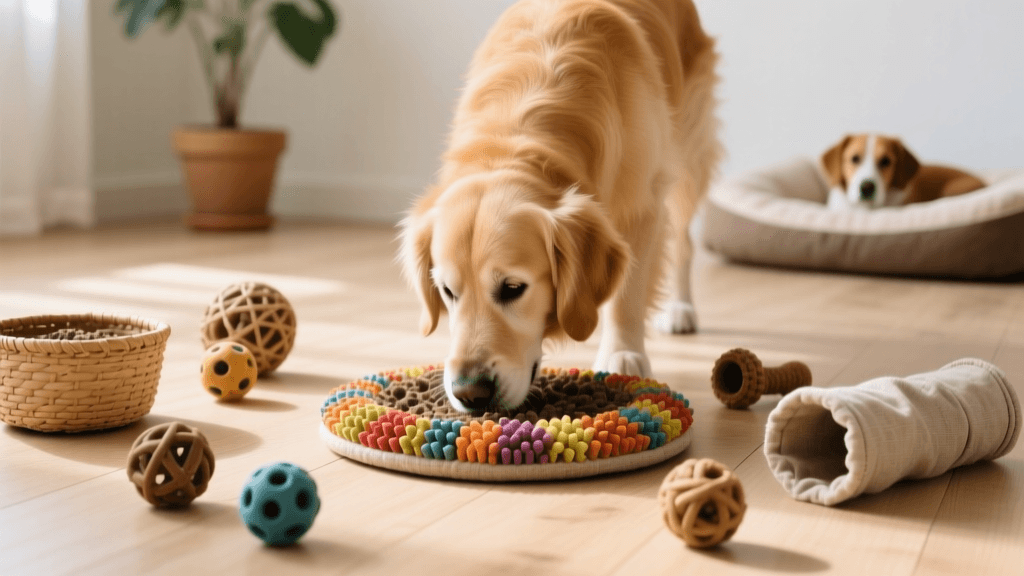
Every dog in a multi-pet household needs a designated "safe zone" where they will not be approached by other pets. In 2026, behaviorists recommend creating scent stations—areas featuring snuffle mats, lick mats, and species-specific calming pheromone diffusers. These zones encourage the natural foraging instincts that lower heart rates and promote the release of endorphins.
When and How to Intervene Safely
A common mistake owners make is punishing the calming signal. If Dog A growls and Dog B licks its lips and turns away, scolding Dog A for the growl or forcing Dog B to "say hello" destroys their communication system. According to the American Kennel Club, respecting a dog's request for space is paramount to preventing bites.
When you observe a cluster of calming signals (e.g., yawning combined with lip licking and a tense posture), your role is to act as a calm environmental manager. Do not yell or rush in with high energy. Instead, calmly drop a handful of high-value treats on the floor in opposite directions. This technique, known as scatter feeding, naturally breaks the dogs' focus, encourages ground sniffing (a calming signal in itself), and physically separates them without inducing panic.
Knowing When to Call a Professional
While minor squabbles and appeasement gestures are normal, chronic stress is not. If you notice that one dog in your household is constantly exhibiting calming signals (chronic lip licking, refusal to eat in shared spaces, or excessive hiding), the current living arrangement is failing them. In these cases, consult a certified veterinary behaviorist or an IAABC-accredited professional. They can assess the household dynamics and create a customized behavior modification plan tailored to your specific dogs.
Conclusion
Living with multiple dogs in 2026 requires us to be fluent in their silent language. By learning to recognize and respect canine calming signals, you transition from being a passive observer to an active, empathetic leader. Pay attention to the yawns, the averted gazes, and the slow movements. In doing so, you honor your dogs' natural communication systems, ensuring your multi-pet household remains a sanctuary of trust, peace, and mutual respect for years to come.
aaron-whyte
All our authors care for dogs every day — read more of their work on the authors page.