Essential Puppy-Proofing and Emergency Prep for New Dogs
Discover essential puppy-proofing tips and build a comprehensive emergency kit before bringing your new dog home. Keep your pet safe from day one.
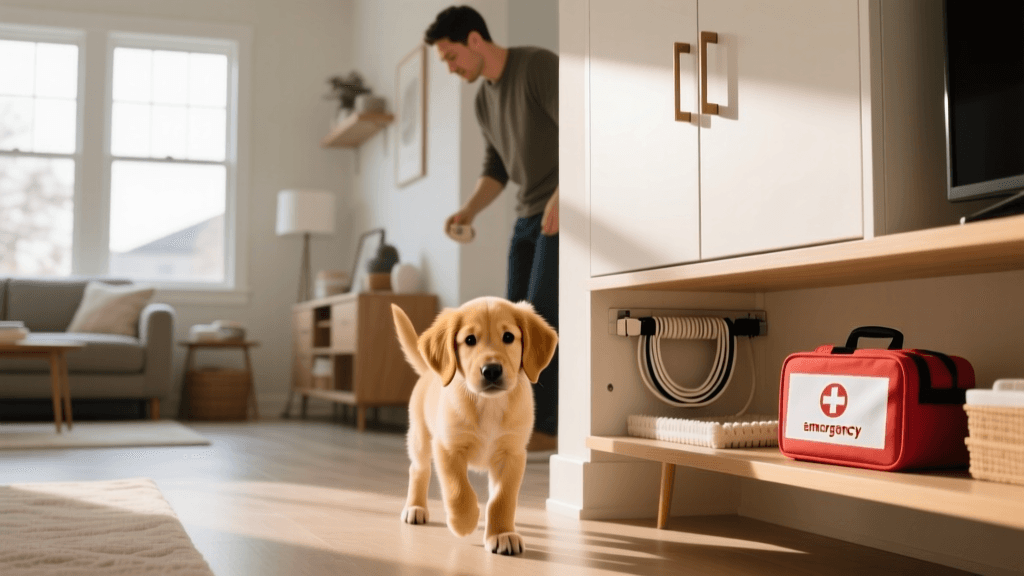
Why Emergency Preparedness Starts Before Day One
Bringing a new dog or puppy into your home is a milestone filled with joy, wagging tails, and unforgettable memories. However, the transition from a shelter or breeder environment to your home can be overwhelming and fraught with hidden dangers. Puppies and newly adopted adult dogs explore their new surroundings primarily through scent and taste, meaning everyday household items can quickly become life-threatening hazards. According to the American Kennel Club (AKC), thousands of pets are treated in emergency veterinary clinics each year for preventable household accidents, ranging from toxic ingestions to choking hazards.
Emergency preparedness in the "Getting a Dog" phase is not just about having a first-aid kit on hand; it is about proactively engineering your environment to eliminate risks before your dog's paws ever touch your floors. This comprehensive guide will walk you through meticulous puppy-proofing strategies, help you assemble a professional-grade emergency kit, and establish a rapid-response action plan for day one and beyond.
Room-by-Room Puppy-Proofing and Safety Audit
Before your new dog arrives, conduct a hands-and-knees audit of your home. Viewing your space from a dog's eye level reveals hazards you might otherwise overlook.
The Kitchen and Laundry Room: High-Risk Zones
The kitchen harbors the highest concentration of toxic substances and choking hazards. Begin by securing all lower cabinets with magnetic child-proof locks. Many dogs, particularly intelligent breeds like Border Collies or opportunistic scavengers like Labrador Retrievers, can easily nudge open standard cabinet doors.
- Dishwasher Detergent Pods: Store these in upper cabinets. The gelatinous casing is highly attractive to dogs but contains concentrated, caustic chemicals that cause severe esophageal burns.
- Xylitol (Birch Sugar): This artificial sweetener is found in sugar-free gum, certain peanut butter brands, and baked goods. Even a single piece of gum can cause rapid, fatal hypoglycemia and liver failure in a medium-sized dog.
- Laundry Room Chemicals: Keep bleach, fabric softeners, and dryer sheets behind a latched door. Ensure the dryer door is kept closed at all times; cats and small puppies frequently climb inside seeking warmth.
Living Areas and Bedrooms: Choking and Entanglement Hazards
Living rooms are full of electrical cords, small decorative items, and toxic houseplants. Invest in split-loom tubing or heavy-duty cable concealers for all exposed television and lamp cords. Chewing on live wires can result in severe oral burns, pulmonary edema, or electrocution.
Use baby gates (minimum 30 to 36 inches tall for medium-to-large breeds) to restrict access to rooms that haven't been fully puppy-proofed. For furniture, apply a bitter-tasting deterrent spray, such as Grannick's Bitter Apple, to wooden table legs and baseboards to discourage destructive chewing during the teething phase.
Garages and Outdoor Spaces: The Silent Killers
Garages are notoriously dangerous due to automotive fluids and pest control products. Ethylene glycol, the primary ingredient in traditional antifreeze, has a sweet taste that is irresistible to dogs. As little as one tablespoon can be fatal to a 20-pound dog. Switch to a propylene glycol-based antifreeze, which is significantly less toxic, and immediately clean up any spills using an enzymatic cleaner. Store rodenticides, snail bait, and fertilizers on high shelves or in locked metal cabinets, as secondary poisoning is a major risk if your dog consumes a rodent that has ingested bait.
Building Your New Dog's Emergency First-Aid Kit
While you hope never to use it, a well-stocked canine first-aid kit is non-negotiable for responsible dog owners. You can purchase pre-made kits from brands like Adventure Medical Kits, but building your own allows you to tailor the contents to your dog's specific size, breed, and health profile. Store the kit in a bright red, waterproof tackle box or a clearly labeled zippered pouch near your primary exit.
Essential First-Aid Kit Inventory
| Item | Primary Purpose | Estimated Cost |
|---|---|---|
| Styptic Powder (e.g., Kwik Stop) | Stops bleeding from torn nails or minor cuts | $8 - $12 |
| Digital Pet Thermometer | Checking for fever or hypothermia (Normal: 101-102.5°F) | $10 - $15 |
| 3% Hydrogen Peroxide | Induces vomiting ONLY under direct vet instruction | $4 - $6 |
| Self-Adhering Vet Wrap | Securing bandages without sticking to fur | $8 - $12 |
| Diphenhydramine (Benadryl) | Allergic reactions, bug stings, or mild motion sickness | $6 - $10 |
| Tick Remover Tool (e.g., Tick Twister) | Safely extracting ticks without leaving mouthparts embedded | $7 - $10 |
| Sterile Saline Eyewash | Flushing debris, dirt, or irritants from the eyes | $5 - $8 |
| Emergency Muzzle (Soft Mesh) | Prevents biting when the dog is in severe pain or panic | $10 - $15 |
Crucial Warning: Never administer hydrogen peroxide, Benadryl, or any human medication to your dog without explicit dosage instructions from a licensed veterinarian or a certified poison control operator. Incorrect dosing can be fatal.
Toxic Household Items to Banish Immediately
When getting a dog, many new owners are unaware of the common botanical and culinary dangers lurking in plain sight. The ASPCA Animal Poison Control Center handles over 200,000 cases of pet poisoning annually, with a significant portion involving common household items.
Botanical and Culinary Dangers
- Toxic Plants: Sago Palms, Lilies, Azaleas, and Oleander are highly toxic. Sago Palm ingestion, for instance, carries a survival rate of only 50% even with aggressive veterinary treatment. Relocate all toxic plants to hanging baskets or outdoor areas completely inaccessible to your dog.
- Grapes and Raisins: The exact mechanism of toxicity remains unknown, but even small amounts can cause acute, irreversible kidney failure in dogs of any size or breed.
- Macadamia Nuts: Can cause severe lethargy, hyperthermia, and hind-limb weakness within 12 hours of ingestion.
- Onions and Garlic: Whether powdered, raw, or cooked, alliums destroy a dog's red blood cells, leading to hemolytic anemia. Avoid feeding any table scraps containing onion or garlic powder.
Establishing an Emergency Action Plan
In a true emergency, panic is your greatest enemy. Having a predefined, practiced action plan ensures you can act swiftly and decisively to save your dog's life. The American Red Cross highly recommends that all pet owners take a certified pet first-aid and CPR course within the first month of bringing a new dog home.
Creating Your Emergency Contact Sheet
Print and laminate an emergency contact sheet. Place one copy on your refrigerator and save a digital copy in your phone's emergency medical ID folder. Your sheet must include:
- Primary Veterinarian: Name, address, and direct after-hours emergency line.
- Nearest 24/7 Emergency Vet Clinic: Verify their hours and map out two different driving routes in case of traffic or road closures.
- ASPCA Animal Poison Control: (888) 426-4435. Note that a $95 consultation fee may apply, but their specialized toxicologists can guide you through life-saving triage steps.
- Trusted Neighbor or Pet Sitter: Someone who has a spare key and can transport your dog if you are injured or unable to drive.
Transport and Triage Preparation
Keep a heavy-duty, waterproof tarp or a specialized pet stretcher in the trunk of your car or near the front door. If a large breed dog like a Great Dane or Mastiff suffers a spinal injury or severe trauma, attempting to carry them without proper support can exacerbate the damage. A rigid board or a tarp held taut by two people provides the necessary spinal stabilization during transport.
Conclusion: Safety is the Foundation of Trust
Preparing for emergencies and meticulously puppy-proofing your home are acts of profound love and responsibility. By eliminating environmental hazards, assembling a comprehensive first-aid kit, and establishing a clear emergency action plan, you are doing more than just protecting your new dog's physical health—you are building a secure foundation of trust. When your new dog steps into your home for the first time, they should step into a sanctuary. Take the time this weekend to crawl on your floors, audit your cabinets, and build your kit. Your proactive efforts will ensure that your journey together is long, happy, and exceptionally safe.
jonas-cole
All our authors care for dogs every day — read more of their work on the authors page.