Training Working Breeds vs Companion Dogs: Selection Guide
Compare training needs of working breeds versus companion dogs. Learn selection tips, exercise costs, and actionable conditioning strategies for success.
The Foundation of Success: Breed Selection and Training Alignment
Choosing a dog is one of the most exciting decisions a prospective pet owner can make, but it is also a choice that will dictate your daily routine, financial commitments, and training journey for the next decade or more. Many behavioral issues do not stem from inherently 'bad' dogs, but rather from a fundamental mismatch between a dog's genetic predispositions and the owner's lifestyle. Before you ever buy a clicker or enroll in an obedience class, understanding the stark contrast between high-drive working breeds and low-drive companion breeds is critical for long-term success.
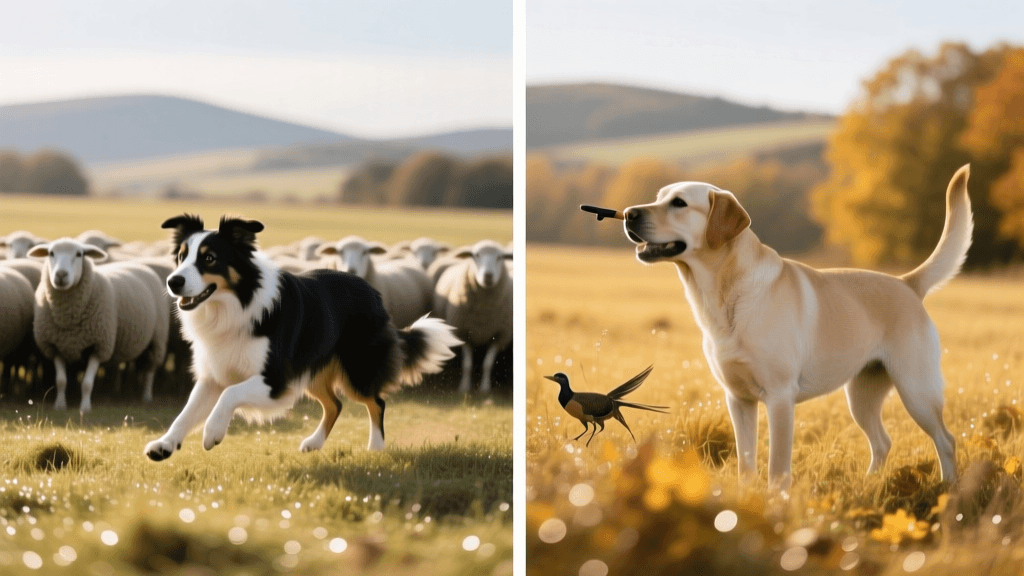
According to the American Kennel Club (AKC), dog breeds are categorized into distinct groups based on their historical jobs. Herding and Working breeds were developed to make independent decisions, patrol large perimeters, and expend massive amounts of physical energy. Conversely, Toy and Companion breeds were selectively bred for centuries to provide affection, sit on laps, and alert owners to visitors. Attempting to apply a one-size-fits-all training methodology to these vastly different genetic blueprints is a recipe for frustration, burnout, and eventual surrender.
Working Breeds vs. Companion Dogs: Core Training Differences
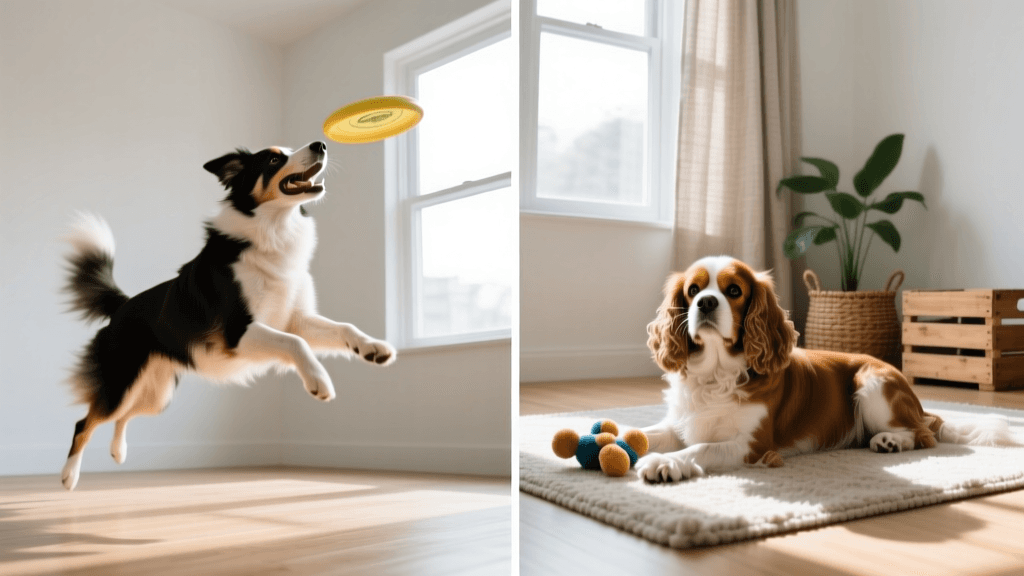
To select the right breed for your household, you must honestly evaluate your available time, physical energy, and training budget. A Border Collie or Belgian Malinois requires a job to do; without structured conditioning, their innate drive will manifest as destructive behavior, severe reactivity, or obsessive-compulsive tendencies. On the other hand, a Cavalier King Charles Spaniel or a Pug thrives on gentle guidance, short learning bursts, and close physical proximity to their handler.
Data Table: Training Expectations and Milestones
The following comparison chart outlines the baseline requirements for conditioning these two distinct categories of dogs. Use this data to evaluate whether your current lifestyle can support the breed you are considering.
| Training Metric | Working/Herding Breeds (e.g., Malinois, GSD, Border Collie) | Companion/Toy Breeds (e.g., Cavalier, Pug, Bichon) |
|---|---|---|
| Daily Exercise Requirement | 90 to 120+ minutes of vigorous, structured activity | 30 to 45 minutes of moderate, leisurely activity |
| Optimal Session Length | 30 to 45 minutes (complex tasks and problem solving) | 10 to 15 minutes (micro-sessions to prevent fatigue) |
| Primary Motivation | Prey drive, toy drive, environmental rewards, tug games | Food rewards, verbal praise, physical affection |
| Mental Enrichment Need | Extremely High (scent work, agility, advanced obedience) | Moderate (snuffle mats, basic trick training, puzzle toys) |
| Recall Training Difficulty | High (requires e-collar proofing or 15-foot long-lines) | Low to Moderate (easier to manage physically if they bolt) |
| Estimated Annual Gear Cost | $300 - $800+ (heavy-duty crates, GPS, bite sleeves, poles) | $100 - $200 (soft harnesses, small treat pouches, basic toys) |
Conditioning Strategies for High-Drive Working Breeds
If you have selected a working or herding breed, your training approach must prioritize impulse control, physical exhaustion, and complex cognitive tasks. The ASPCA's dog training guidelines emphasize that high-energy dogs require outlets that mimic their ancestral jobs to prevent neurotic behaviors from developing.
Actionable Tactics and Gear
- Decompression and Flirt Poles: Use a heavy-duty flirt pole (such as the Outward Hound TailTeaser, approx. $25) for 15 minutes before beginning obedience work. This satisfies the prey drive and lowers the dog's arousal threshold, making them more receptive to learning commands like 'drop it' and 'wait'.
- Long-Line Recall Proofing: Never trust a working breed off-leash in an unsecured area without extensive proofing. Invest in a 15-foot to 30-foot Biothane long line ($40-$60). Biothane is waterproof, durable, and won't burn your hands if the dog suddenly bolts after a deer.
- Advanced Containment and GPS: For breeds prone to roaming or working on large properties, a standard GPS collar is insufficient. Serious handlers often invest in systems like the Garmin Alpha 200 paired with a TT25 collar (approx. $600-$700), which offers both precise GPS tracking and programmable tone/vibration stimulation for reliable recall at distances exceeding 500 yards.
- Timing and Duration: Working breeds thrive on duration. A simple 'sit-stay' is boring; a 'place' command where the dog must remain on a raised cot (like a Kuranda bed, $120) for 45 minutes while you work from home is deeply fulfilling for their need to 'guard' and observe.
Conditioning Strategies for Companion and Toy Breeds
Companion breeds were not designed to pull carts, herd sheep, or patrol borders. They were designed to read human emotions and provide comfort. Training these dogs requires patience, high-value food motivation, and an understanding of their physical limitations.
Actionable Tactics and Gear
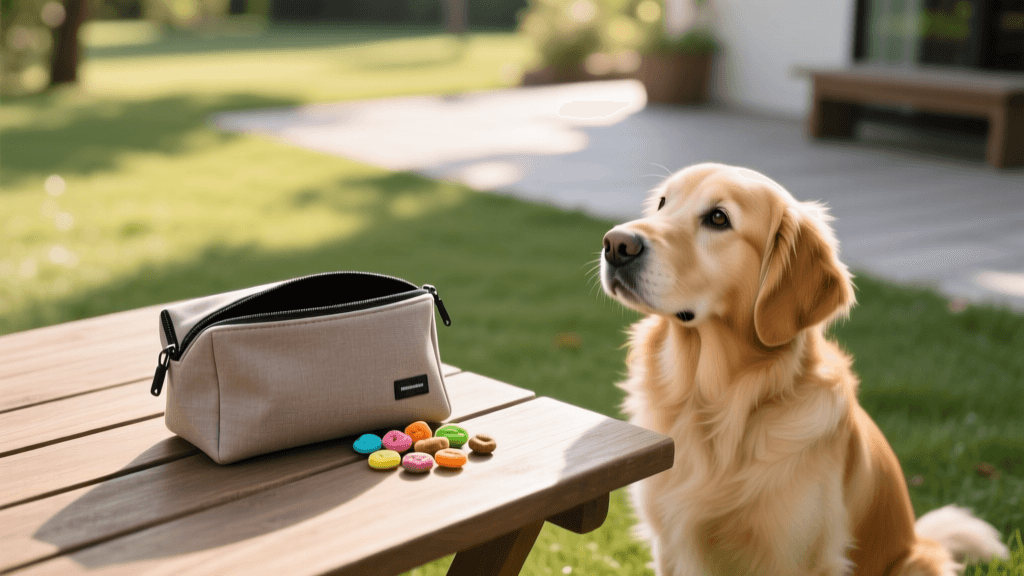
- Micro-Sessions and Treat Sizing: Toy breeds have small stomachs and can become satiated quickly. Cut training treats (like Zuke's Mini Naturals, $8 per bag) into 1/4-inch pieces. Keep training sessions to a strict 10-minute maximum, twice a day, to maintain their enthusiasm without causing digestive upset or physical fatigue.
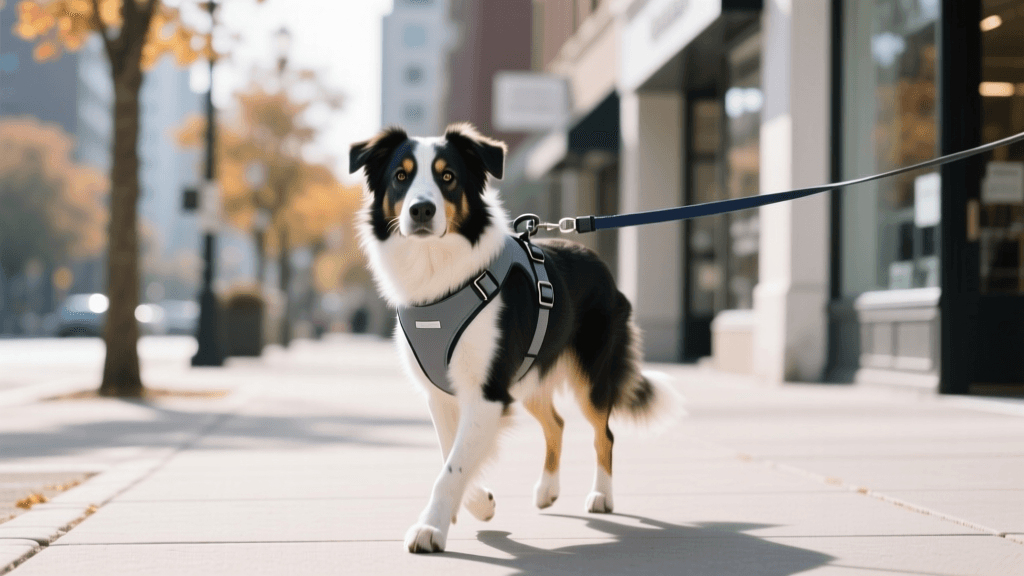
- Proper Harness Selection: Breeds like Pugs, French Bulldogs, and Cavaliers are prone to tracheal collapse and brachycephalic airway syndrome. Never use a slip lead or standard neck collar for leash walking. Invest in a well-fitted, Y-front harness such as the Puppia Soft Vest ($25) or the Julius-K9 IDC Harness ($40) to distribute pressure evenly across the chest.
- Combating 'Small Dog Syndrome': Many owners inadvertently reinforce reactivity in small dogs by picking them up when they bark at larger dogs. Instead, use the Humane Society's recommended desensitization techniques. Keep your dog on the ground, use a 6-foot leather leash for better grip, and reward them with high-value treats (like freeze-dried chicken liver) for making eye contact with you when a trigger appears 20 feet away.
- Indoor Enrichment: On rainy days, a companion dog doesn't need to run miles. Use a Nina Ottosson Dog Brick puzzle toy ($30) to make them work for their kibble. This provides adequate mental stimulation without risking joint strain on their smaller frames.
The Financial Reality of Breed-Specific Training
Prospective owners must factor the cost of professional conditioning into their breed selection process. While basic group obedience classes (typically 6-week courses) cost between $150 and $250 regardless of breed, the long-term financial divergence is massive.
Working breeds often require specialized intervention. If a German Shepherd develops leash reactivity or a Malinois exhibits resource guarding, owners frequently turn to professional Board and Train programs. These intensive 3-to-4-week immersion programs cost anywhere from $1,500 to $3,500. Furthermore, working dogs destroy standard pet store toys in minutes; you must budget for heavy-duty rubber toys like the Kong Classic Extreme ($18) or Goughnuts rings ($35), which are designed to withstand punishing bite forces.
Companion dogs, while cheaper to gear up, may incur different costs. Toy breeds are notoriously difficult to potty train due to their small bladders and aversion to cold or wet weather. Owners often need to invest in high-quality indoor potty systems (like the Fresh Patch real grass delivery service, $35/month) and specialized canine raincoats to encourage outdoor elimination during inclement weather.
Socialization: A Universal Requirement with Breed-Specific Nuances
The critical socialization window for all puppies occurs between 3 and 14 weeks of age. However, how you socialize a working breed differs vastly from a companion breed.
Matching your training capacity to your dog's genetic drive is the single most important factor in preventing behavioral surrender to shelters.
For a herding or guardian breed, socialization means exposure to strange surfaces (grates, tarps), loud noises, and moving objects (skateboards, bicycles) to build environmental neutrality. The goal is to teach the dog to ignore the environment unless directed by the handler. For a companion breed, socialization is heavily focused on gentle handling. You must condition a toy breed to accept being touched by strangers, children, and veterinarians without fear-biting, as their small size makes them feel perpetually vulnerable.
Final Thoughts on Selection and Conditioning
Ultimately, the secret to a well-trained dog begins long before the puppy crosses the threshold of your home. It begins with an honest assessment of your own lifestyle. If you work 10-hour days and prefer weekend movie marathons over 5-mile morning hikes, selecting a working breed will lead to mutual misery, regardless of how many training books you read. Conversely, if you are an active outdoorsman looking for a trail-running and hunting partner, a toy companion breed will physically fail to meet your needs.
By respecting the genetic blueprint of the breed you select, tailoring your gear to their physical requirements, and adjusting your training timelines to match their cognitive endurance, you lay the groundwork for a harmonious, deeply bonded relationship that will last a lifetime.
anouk-beaumont
All our authors care for dogs every day — read more of their work on the authors page.