Remote Worker Dog Training: Best Breeds & Tips for 2026
Discover the best dog breeds for remote workers and learn targeted training techniques to keep your WFH companion calm during Zoom calls in 2026.
The Ultimate 2026 Guide to WFH Dog Training and Breed Selection
As remote work solidifies its place as the standard for millions of professionals in 2026, the intersection of home office life and dog ownership has never been more relevant. However, sharing your workspace with a canine companion requires more than just a comfortable dog bed; it demands strategic breed selection and rigorous behavioral conditioning. Not every dog is naturally equipped to handle the erratic schedule, sudden doorbell rings, and prolonged periods of quiet required during video conferences.
Choosing the right breed is only the first step. To maintain a productive work environment, you must implement specific training protocols that foster independence, silence nuisance barking, and create a reliable "settle" behavior. In this comprehensive guide, we explore the best dog breeds for remote workers and the exact conditioning techniques required to turn them into the ultimate, low-distraction work-from-home (WFH) companions.
Top Dog Breeds for the Home Office Environment
When evaluating breeds for a remote work setting, the primary metrics are low indoor energy, minimal vocalization (barking), and a high capacity for independent relaxation. According to breed standards and behavioral profiles outlined by the American Kennel Club, the following breeds consistently rank as the most compatible with the WFH lifestyle.
1. The Greyhound (The 45-MPH Couch Potato)
Despite their reputation as elite athletes, retired racing Greyhounds are notoriously lazy indoors. They are sprinters, not endurance runners, meaning a single 20-minute morning walk is often enough to satisfy their physical needs. For the rest of the workday, they are highly likely to sleep quietly on their mat. Training Focus: Recall and leash manners, as their prey drive can be high outdoors.
2. The Basset Hound (The Stubborn Snoozer)
Basset Hounds are independent, low-energy, and generally unbothered by the hustle and bustle of a busy household. Their stubborn nature actually works in your favor when training them to stay on a designated mat for hours. Training Focus: Scent work and patience-based positive reinforcement to overcome their natural stubbornness.
3. The Shiba Inu (The Feline Companion)
Shibas are famously cat-like. They are clean, quiet, and do not suffer from the severe separation anxiety or "velcro" tendencies that plague many working breeds. They are content to be in the same room as you without demanding constant physical contact. Training Focus: Early socialization and handling exercises, as they can be aloof and sensitive to grooming or vet visits.
4. The Cavalier King Charles Spaniel (The Adaptable Shadow)
If you prefer a smaller dog that is deeply affectionate but not overly neurotic, the Cavalier is an excellent choice. They adapt their energy levels to match their owner's. If you are typing at your desk, they are sleeping at your feet. Training Focus: Independence training to prevent them from developing separation anxiety on the days you do need to leave the house.
Core Training Protocols for the WFH Dog
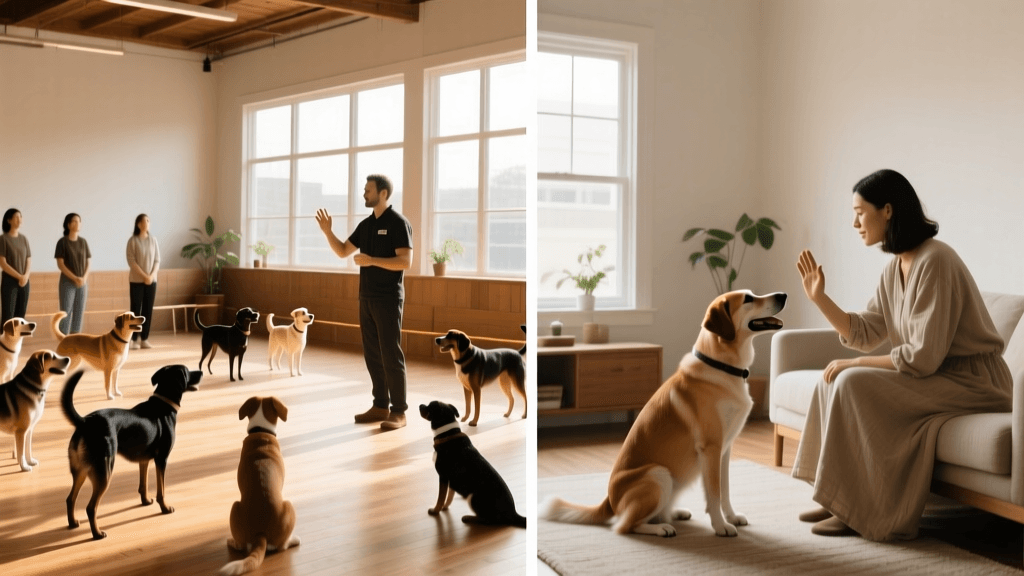
Even the calmest breed requires specific behavioral conditioning to thrive in a home office. According to behavioral guidelines from the ASPCA, establishing clear boundaries and predictable routines is essential for preventing canine stress and owner frustration. Below are the three critical training modules every remote worker must implement in 2026.
Module 1: The "Zoom Call Place" Command (Mat Training)
Mat training is the cornerstone of WFH dog ownership. You are teaching your dog that a specific elevated bed or mat is their "off-duty" zone. When they are on the mat, they are not to beg, pace, or whine.
- Step 1: Lure your dog onto a raised cot (like a Kuranda or Coolaroo bed) using high-value treats. Mark the behavior with a clicker or a "Yes!" and reward.
- Step 2: Introduce the verbal cue "Place" just before they step onto the bed.
- Step 3: Begin adding duration. Delay the reward by 3 seconds, then 10 seconds, then 30 seconds. If they break the stay, calmly reset them without rewarding.
- Step 4: Add distance and distractions. Practice sitting at your desk while they hold their "Place" command. Gradually introduce the sound of you typing or speaking on a mock phone call.
Module 2: Doorbell and Delivery Desensitization
In 2026, the volume of daily e-commerce deliveries means your doorbell or the sound of a truck engine could trigger your dog dozens of times a day. If your dog barks at every delivery, your professional credibility on video calls will plummet.
Pro Tip: Record the sound of your specific doorbell chime and delivery truck engines on your phone. Play these sounds at a very low volume while feeding your dog their meals or giving them a long-lasting chew. Gradually increase the volume over two weeks until the sound predicts a reward rather than an intrusion.
Once the dog is desensitized to the audio, practice the "Place" command when someone actually knocks on the door. The dog must learn that a knock is their cue to go to their mat, not to rush the foyer.
Module 3: Fostering Independence (Anti-Velcro Training)
Remote workers are home 90% of the time. This can accidentally create severe separation anxiety in dogs who become accustomed to constant human presence. To prevent panic on the rare days you must go to a corporate office or co-working space, you must schedule "alone time" while you are still home.
Use a baby gate or a crate to separate yourself from your dog for 30 to 60 minutes each day. Provide them with an interactive puzzle toy stuffed with frozen peanut butter or Greek yogurt. This teaches them that being alone is safe, predictable, and rewarding.
Breed Comparison Chart for Remote Workers
Use the table below to compare the top WFH breeds based on metrics that directly impact your workday productivity.
| Breed | Indoor Energy | Bark Tendency | Independence Level | Primary WFH Training Focus |
|---|---|---|---|---|
| Greyhound | Very Low | Low | High | Recall & Prey Drive Management |
| Basset Hound | Low | Moderate (Howling) | Very High | Mat Duration & Scent Games |
| Shiba Inu | Moderate | Low | Very High | Socialization & Handling |
| Cavalier King Charles | Low | Low | Low (Velcro) | Independence & Crate Training |
| Whippet | Low | Very Low | Moderate | Place Command & Cold Weather Gear |
Essential 2026 WFH Dog Training Gear
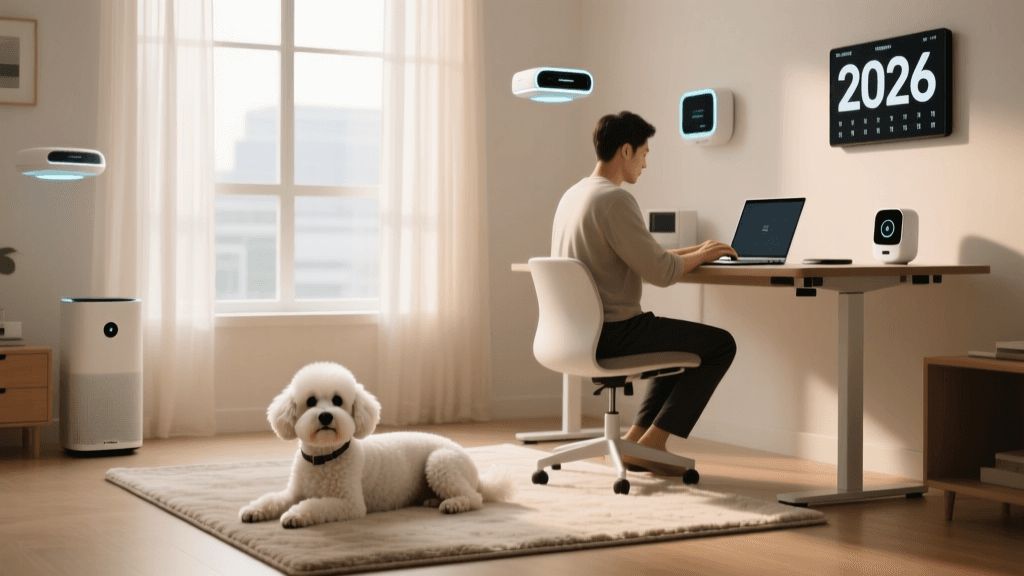
Modern behavioral conditioning is supported by smart technology. To maintain your training protocols while your attention is divided between spreadsheets and Slack messages, consider integrating the following tools into your home office setup:
1. AI-Powered Smart Treat Cameras
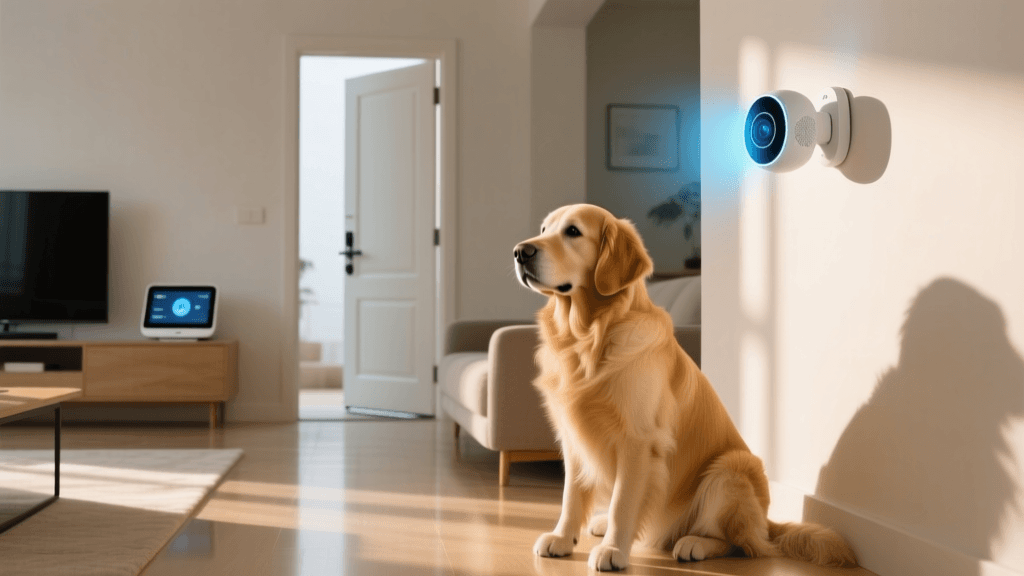
Devices like the latest Furbo 360 models or similar AI-enhanced pet cameras now feature automated bark detection and treat-tossing capabilities. If your dog begins to whine during a meeting, you can silently toss a treat to their mat via your smartphone app without breaking eye contact with your webcam. This reinforces the "quiet on the mat" behavior in real-time.
2. Snuffle Mats and Lick Mats
For breeds that require mental stimulation but cannot be taken for a mid-day walk due to your schedule, snuffle mats are invaluable. Hiding dry kibble in a dense fabric mat forces the dog to use their nose, burning mental energy that equates to a long physical run. Lick mats frozen with bone broth can also trigger endorphin release, naturally calming the dog before an important presentation.
3. Silent Visual Cues (Training Lights)
Dogs are highly observant of visual cues. Some remote workers in 2026 are utilizing smart home lighting (like a specific colored bulb in a desk lamp) to signal to their dog when "Do Not Disturb" mode is active. By pairing the red light with high-value mat training, the dog learns that when the red light is on, absolute silence and stillness are required. When the light is off, they are free to approach for pets and play.
Managing the Mid-Day Energy Slump
Even low-energy breeds experience a mid-day spike in vitality. If you fail to manage this, your dog will find their own entertainment—usually by chewing on your router cables or barking at the window. Schedule a mandatory 15-minute "decompression walk" during your lunch break. This is not a structured heel-walk; this is a "sniffari" where the dog is allowed to sniff every bush and tree they desire.
According to canine behavioral science, 15 minutes of intense sniffing lowers a dog's heart rate and provides more mental fatigue than a 45-minute structured walk. Returning to the home office after a sniffari virtually guarantees your dog will nap through your afternoon Zoom calls.
Conclusion: Setting Boundaries for Success
Working from home with a dog in 2026 is a deeply rewarding experience, provided you approach it with the mindset of a trainer rather than just a pet owner. By selecting a breed genetically predisposed to indoor calmness—such as the Greyhound or Shiba Inu—and rigorously enforcing mat training, doorbell desensitization, and independence protocols, you can cultivate a peaceful, productive environment. Remember, your dog does not know you are on a crucial sales call; they only know the boundaries and routines you have established for them. Invest the time in these foundational training modules, and your canine companion will seamlessly transition into the best co-worker you have ever had.
anouk-beaumont
All our authors care for dogs every day — read more of their work on the authors page.