2026 Separation Anxiety Protocol: Smart Cameras & Desensitization
Discover the 2026 smart camera desensitization protocol to cure dog separation anxiety. Learn step-by-step departure training and top tech picks.
Understanding the 2026 Landscape of Canine Separation Anxiety
Separation anxiety remains one of the most challenging behavioral issues faced by dog owners today. Unlike simple boredom or lack of exercise, true separation anxiety is a profound panic response triggered by the absence of a primary attachment figure. According to the ASPCA, separation anxiety affects a significant percentage of the canine population, manifesting in destructive behavior, inappropriate elimination, excessive vocalization, and even self-harm. As we navigate 2026, the integration of advanced behavioral science with smart home technology has revolutionized how we approach this condition. The days of simply "letting them cry it out" are long gone; modern training requires precision, data tracking, and systematic desensitization.
Why Smart Cameras Are Non-Negotiable in 2026
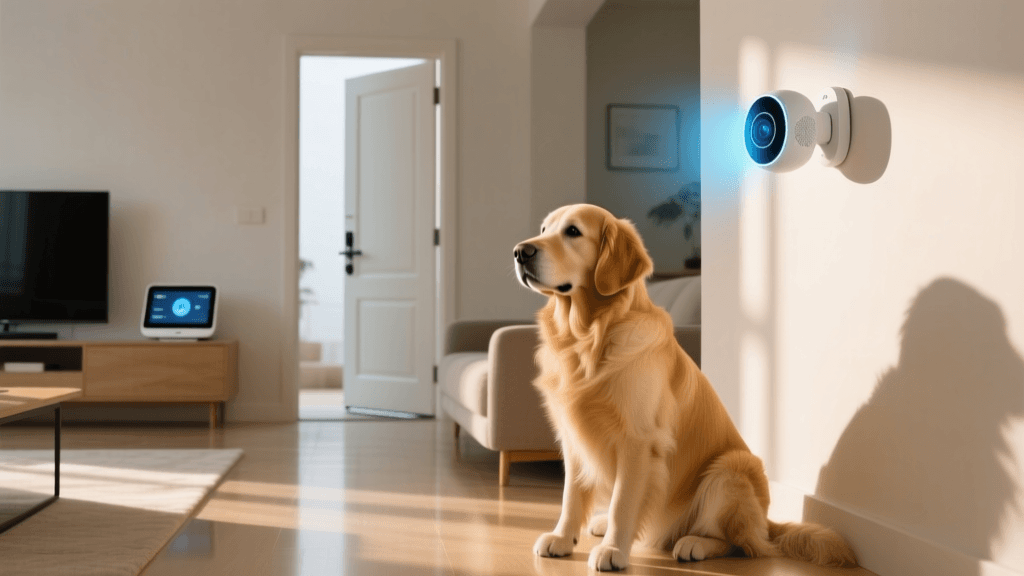
In the past, owners had to guess when their dog's panic began based on neighbor complaints or the state of the house upon returning. In 2026, utilizing AI-driven smart pet cameras is a non-negotiable component of any successful separation anxiety protocol. Devices like the Furbo 360 2nd Gen (retailing around $199) or the Wyze Cam Pan V3 (approximately $40) offer real-time telemetry on your dog's emotional state. These cameras feature advanced bark detection, vomiting alerts, and anxiety-induced pacing recognition. By monitoring your dog's threshold in real-time, you can ensure you never push them past their breaking point during training sessions. Pushing a dog past their threshold floods their brain with cortisol, effectively setting your training progress back by days or even weeks.
The Systematic Desensitization Departure Matrix
The cornerstone of curing separation anxiety is Systematic Desensitization and Counterconditioning (SDCC). This involves breaking down the act of leaving into micro-steps so small that they do not trigger the dog's anxiety response. Below is the 2026 Systematic Desensitization Departure Matrix, designed to be used in tandem with your smart camera setup.
| Phase | Action | Duration | Smart Tech Integration | Success Metric |
|---|---|---|---|---|
| 1. Pre-Cue Desensitization | Jingle keys, put on shoes, touch doorknob without leaving. | 2-3 mins | Camera audio monitoring for whines. | Dog remains resting or playing. |
| 2. The Threshold Step | Open door, step outside, immediately close door and return. | 3-5 seconds | Visual check via app for pacing. | No barking or door scratching. |
| 3. The 1-Minute Absence | Step outside, lock door, wait out of sight. | 60 seconds | AI bark detection alert monitoring. | Zero anxiety indicators on camera. |
| 4. The 5-Minute Treat Toss | Leave, wait 4 mins, use camera to toss treats, return at 5 mins. | 5 minutes | Automated treat dispensing via app. | Dog engages with treats happily. |
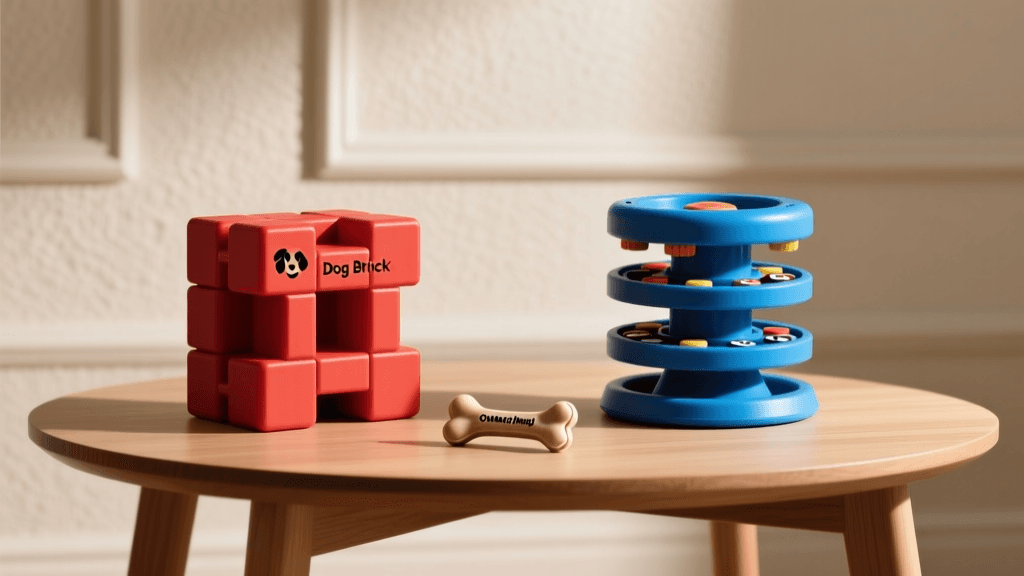
| 5. The 15-Minute Enrichment | Provide high-value puzzle toy, leave for 15 minutes. | 15 minutes | Motion tracking to ensure engagement. | Dog interacts with toy, then rests. |
Executing the Matrix: Rules of Engagement
When executing this matrix, patience is your greatest asset. You must spend at least three to five days on each phase before progressing. If your dog shows signs of distress—such as panting, pacing, whale eye, or vocalization—you have moved too quickly. Immediately drop back to the previous successful phase. The American Kennel Club emphasizes that consistency and keeping the dog under their anxiety threshold are the most critical factors in long-term behavioral modification. Never punish a dog for anxiety-induced destruction or accidents; punishment only increases their overall stress levels and exacerbates the panic response.
Pairing Tech with High-Value Counterconditioning
Desensitization changes the dog's reaction to the trigger (your departure), but counterconditioning changes their underlying emotional response. We want the dog to feel that your absence predicts wonderful things. In 2026, the market is flooded with excellent enrichment tools designed specifically for solo play. The West Paw Toppl (approx. $25) and the Outward Hound Nina Ottosson Dog Brick Advanced (approx. $30) are top-tier choices. Fill these toys with high-value, easily digestible treats like plain pumpkin puree, low-sodium bone broth, or freeze-dried liver, and freeze them overnight. Present the frozen puzzle toy exactly one minute before you walk out the door. The goal is for the dog to associate the sound of the door locking with the arrival of their favorite frozen treat.
Recognizing Threshold Breaks and Resetting
Even with a meticulous plan, threshold breaks will happen. Perhaps a loud truck drove by while you were in Phase 3, or a neighbor's dog barked, pushing your dog over the edge. When you review your smart camera footage and notice a threshold break, do not panic. Simply reset your training matrix. If your dog failed at the 5-minute mark, your next session should return to the 1-minute mark to rebuild their confidence. It is also vital to keep your departures and arrivals incredibly low-key. Avoid emotional hellos and goodbyes. When you return home, ignore your dog until they have all four paws on the floor and are displaying calm, settled energy.
When to Bring in a Veterinary Behaviorist
While smart cameras and systematic desensitization are powerful tools, severe separation anxiety often requires a multi-modal approach that includes pharmacological intervention. If your dog is injuring themselves trying to escape crates or windows, or if they are entirely unable to eat high-value treats when left alone, their brain is in a state of chemical hijack. In these cases, training alone will not work. Consult a board-certified veterinary behaviorist to discuss medications such as fluoxetine, sertraline, or situational fast-acting medications like trazodone. Medication does not "sedate" the dog; rather, it lowers the baseline anxiety enough for the systematic desensitization protocol to actually take hold in the brain's neural pathways.
Common Mistakes to Avoid in 2026
- Relying solely on "cry it out" methods: Extinction bursts can lead to severe psychological trauma and worsen the panic disorder.
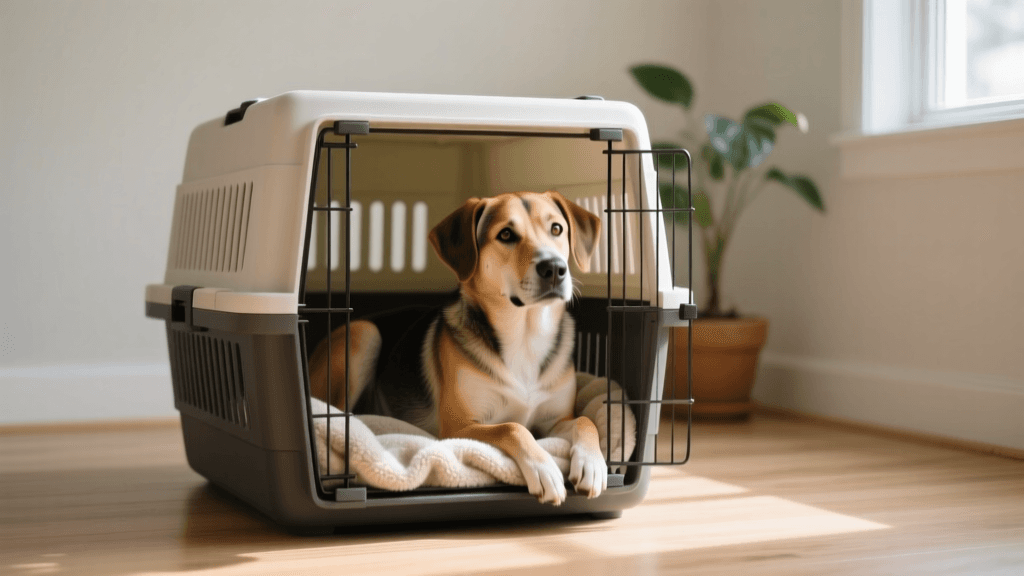
- Over-crating anxious dogs: Many dogs with separation anxiety also suffer from confinement anxiety. Forcing them into a crate can result in broken teeth and torn nails. In 2026, experts recommend using dog-proofed rooms or heavy-duty indoor playpens instead of traditional wire crates for severe cases.
- Inconsistent routines: Dogs thrive on predictability. Varying your departure times wildly during the early phases of training can confuse the dog and hinder progress.
- Ignoring physical health: Always rule out underlying medical issues. A dog with untreated arthritis or a urinary tract infection may vocalize or destroy things out of physical discomfort, not just anxiety.
Conclusion
Overcoming canine separation anxiety is a marathon, not a sprint. By leveraging the 2026 Systematic Desensitization Departure Matrix alongside modern smart camera technology, you can objectively track your dog's progress and ensure they remain comfortably under their anxiety threshold. Combine this data-driven approach with high-value counterconditioning and, when necessary, veterinary support, and you will help your dog build the confidence they need to finally enjoy their alone time.
robin-maitland
All our authors care for dogs every day — read more of their work on the authors page.