2026 Guide: Training Quiet Dog Breeds in Apartments
Master shared-wall noise desensitization and calm-place training for quiet apartment dog breeds in 2026. Keep your low-vocal pup peaceful.
The 2026 Landscape of Apartment Dog Ownership
As urban housing densities continue to shift in 2026, apartment living with dogs has become more common than ever. For renters and condo owners, selecting a quiet dog breed is often the first step toward maintaining a peaceful household and avoiding noise complaints. Breeds like the Greyhound, Shiba Inu, Cavalier King Charles Spaniel, and Basenji are highly sought after for their naturally low-vocal tendencies. However, a common and dangerous misconception among new urban dog owners is that "quiet" equals "low-maintenance" or "untrainable."
Even the most genetically predisposed quiet breeds can develop severe anxiety, reactivity, and nuisance behaviors if not properly conditioned to the unique stressors of apartment life. Shared walls, echoing hallways, elevator dings, and unpredictable neighbor noises can trigger silent stress that eventually manifests as destructive behavior or sudden vocalization. This comprehensive 2026 training guide focuses specifically on behavioral conditioning, desensitization, and environmental management for quiet breeds in multi-family housing.
The "Quiet Breed" Misconception and Suppressed Stress
According to the American Kennel Club's guide on quiet dog breeds, a dog's natural tendency to refrain from barking is often a byproduct of their historical breeding purpose, not an absence of emotion or alertness. For example, Basenjis were bred to hunt silently, and Greyhounds are sprinters that conserve energy. When these dogs are placed in a high-stimulus apartment environment without an outlet, they don't necessarily bark; instead, they internalize the stress.
In 2026, veterinary behaviorists are seeing a rise in "suppressed stress" among apartment-dwelling quiet breeds. This manifests as compulsive licking, pacing, door-dashing, or hyper-vigilance. Training a quiet apartment dog is not about teaching them to "speak" or "shush"; it is about teaching them how to process environmental triggers and choose a state of relaxation over a state of silent panic.
Shared-Wall Desensitization Protocol
The most significant trigger for apartment dogs is unpredictable noise from shared walls and ceilings. Because quiet breeds rarely vocalize their discomfort, owners often miss the early signs of stress (lip licking, yawning, pinned ears) until the dog is entirely overwhelmed. Implementing a structured desensitization protocol is critical. The AKC's expert advice on desensitization and counter-conditioning outlines the necessity of keeping the dog under their stress threshold during training.
Step 1: Audio Mapping and Baseline Testing
Before you can desensitize your dog, you must understand their triggers. Spend a week logging the noises that cause your dog to stiffen or stare at the wall. Common apartment triggers include:
- Muffled footsteps from the unit above
- Plumbing vibrations in shared pipes
- Elevator chimes and hallway conversations
- Doors slamming in the corridor
Step 2: Sub-Threshold Exposure via Smart Audio
Using modern 2026 smart-home speakers, you can recreate these triggers at a controlled volume. Start by playing a YouTube audio track of "apartment wall muffled voices" at a volume so low that your dog notices it but does not exhibit any stress signals. This is known as working "sub-threshold." If your dog continues to chew a toy or rest, you are at the correct volume.
Step 3: Counter-Conditioning the Trigger
Once the low-volume audio is playing, introduce a high-value reward. Use a lick mat spread with frozen bone broth or plain pumpkin puree. The goal is to change the dog's emotional response from "alert/danger" to "good things happen when the wall makes noise." Gradually increase the volume over several weeks, always ensuring your dog remains relaxed. If they freeze or stare, the volume is too high; drop it back down immediately.
Mastering the "Place" Command in Small Spaces
In a small apartment footprint, a dog without a designated "safe zone" will often patrol the perimeter, pacing from the front door to the window. Teaching a rock-solid "Place" command gives your quiet breed a job and a sanctuary. The AKC's tutorial on teaching the Place command is an excellent foundational resource, but apartment living requires specific adaptations.
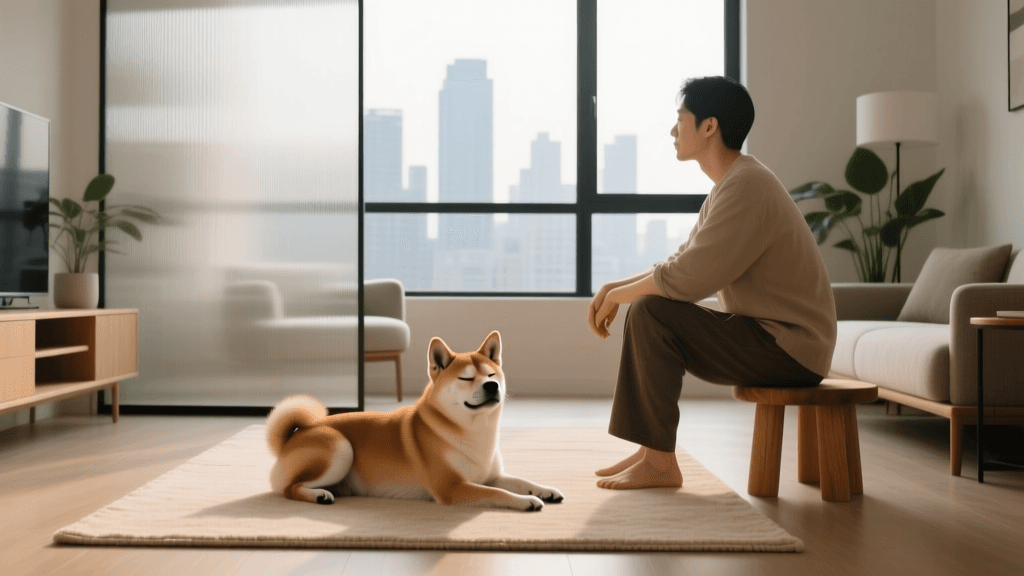
Choose an elevated cot or a specific, thick orthopedic mat placed in a corner away from the front door. Elevation helps dogs feel secure and provides a physical boundary. When the hallway noise spikes, or when guests enter the apartment, cue your dog to their "Place." Reward them heavily for remaining on the mat. Over time, the mat becomes a conditioned stimulus for sleep and relaxation, effectively turning off your dog's patrol instinct.
Breed-Specific Training Matrix for Apartments
Different quiet breeds process apartment stress in entirely different ways. Below is a 2026 training matrix tailored to the most popular low-vocal apartment breeds.
| Breed | Primary Apartment Trigger | 2026 Training Strategy | Daily Mental Enrichment Need |
|---|---|---|---|
| Greyhound | Sudden loud noises (dropped items, slamming doors) | Startle-recovery conditioning; teaching a "touch" hand-target to redirect focus after a noise. | 45 mins (Sniffaris, snuffle mats) |
| Shiba Inu | Visual triggers through windows (dogs walking below) | Window film application; "Leave It" command; impulse control games for hallway leash walking. | 60 mins (Puzzle toys, trick training) |
| Cavalier King Charles Spaniel | Separation anxiety when owner leaves the unit | Departure desensitization; camera-based treat tossing; building independence via the "Place" command. | 30 mins (Gentle fetch, scent work) |
| Basenji | Boredom leading to destructive chewing of baseboards | Rotational toy systems; advanced cognitive puzzles; supervised free-roaming only after crate training. | 90 mins (Agility, advanced tricks) |
Capturing Calmness: The Silent Marker
Because quiet breeds do not offer vocal feedback, trainers must rely heavily on observing body language. "Capturing Calmness" is a behavioral conditioning technique where you reward your dog simply for doing nothing. In a busy apartment, a dog choosing to lie on their bed while the TV is on and neighbors are talking is making an active choice to relax.
Keep a pouch of low-calorie training treats nearby. When you notice your dog voluntarily settling down, calmly walk over and drop a treat between their front paws. Do not use an excited voice, which might trigger them to get up. Use a silent marker, like a soft clicker or a gentle hand signal, to mark the behavior. In 2026, many professional trainers recommend using a quiet "i-Click" box or a silent vibration collar marker for noise-sensitive breeds to avoid adding unnecessary auditory clutter to the apartment environment.
Essential 2026 Apartment Training Gear
To support your behavioral conditioning, leveraging the right environmental tools is vital for managing the unique acoustics and spatial limitations of apartment living.
- Adaptive White Noise Machines: Modern 2026 models use AI to listen to the room and automatically adjust the frequency to mask sudden hallway thuds or elevator dings, keeping your dog's baseline stress low.
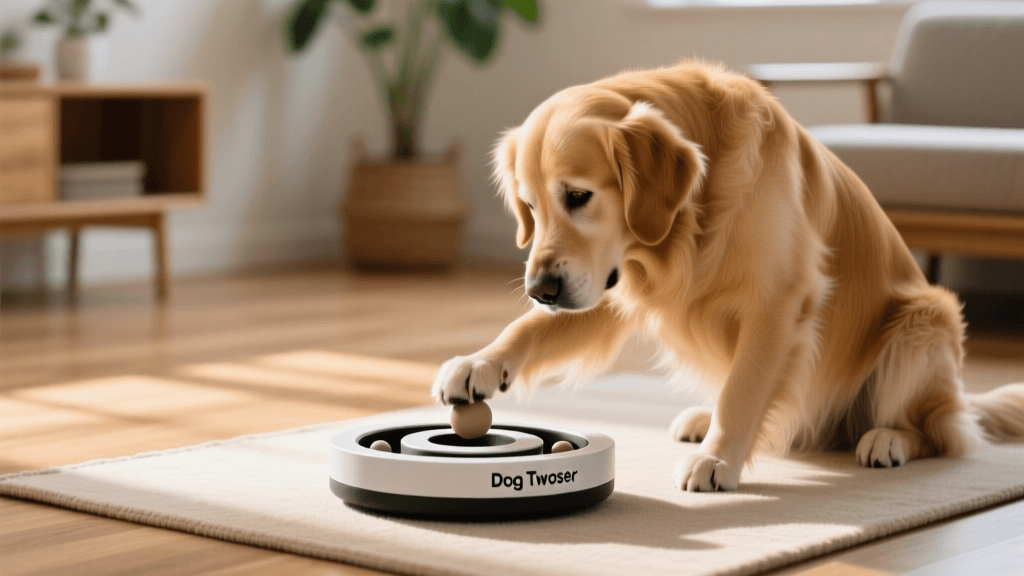
- Snuffle Mats and Foraging Boxes: Since quiet breeds often have high olfactory drives (especially hounds and spitz breeds), hiding meals in foraging boxes burns mental energy equivalent to a long physical run, promoting deeper sleep in small spaces.
- Privacy Window Film: For breeds like the Shiba Inu, visual triggers from the street below can cause silent pacing. Static-cling privacy film allows light in while blocking the view of passing pedestrians and dogs.
- Long-Lasting Chews (Yak Cheese / Coffee Wood): Chewing releases endorphins in dogs. Providing a safe, mess-free chew when you leave the apartment helps mitigate the onset of separation-related stress.
Final Thoughts on Urban Canine Harmony
Living in an apartment with a quiet dog breed is a privilege that requires proactive management. By understanding that silence does not equal contentment, you can implement desensitization protocols, enforce boundary training with the "Place" command, and utilize modern enrichment tools to ensure your dog thrives. Whether you share your space with a retired racing Greyhound or a stubborn but silent Basenji, consistent, reward-based training will transform your apartment from a stressful box into a true sanctuary for both you and your canine companion.
tom-renshaw
All our authors care for dogs every day — read more of their work on the authors page.