Nina Ottosson Dog Twister Puzzle Training Guide 2026
Master the Nina Ottosson Dog Twister puzzle in 2026. Learn step-by-step scent work training, troubleshooting tips, and mental enrichment routines for dogs.
The Science of Canine Olfactory Enrichment in 2026
As we navigate through 2026, veterinary behaviorists and canine cognitive scientists continue to emphasize that physical exercise alone is no longer sufficient for a balanced, well-adjusted dog. Mental enrichment, particularly olfactory-based puzzle games, has become a cornerstone of modern dog training. According to behavioral guidelines published by the American Kennel Club (AKC), engaging a dog's sense of smell can lower their heart rate, reduce cortisol levels, and provide mental fatigue equivalent to hours of physical running.
For apartment dwellers, senior dogs, or high-energy working breeds stuck indoors due to extreme weather, interactive puzzle toys are not just a luxury; they are a behavioral necessity. The ASPCA Dog Behavior resources consistently highlight that scent-based foraging games mitigate destructive behaviors, separation anxiety, and excessive vocalization by fulfilling a dog's natural instinct to hunt and scavenge.
Why the Nina Ottosson Dog Twister Remains a Top Choice
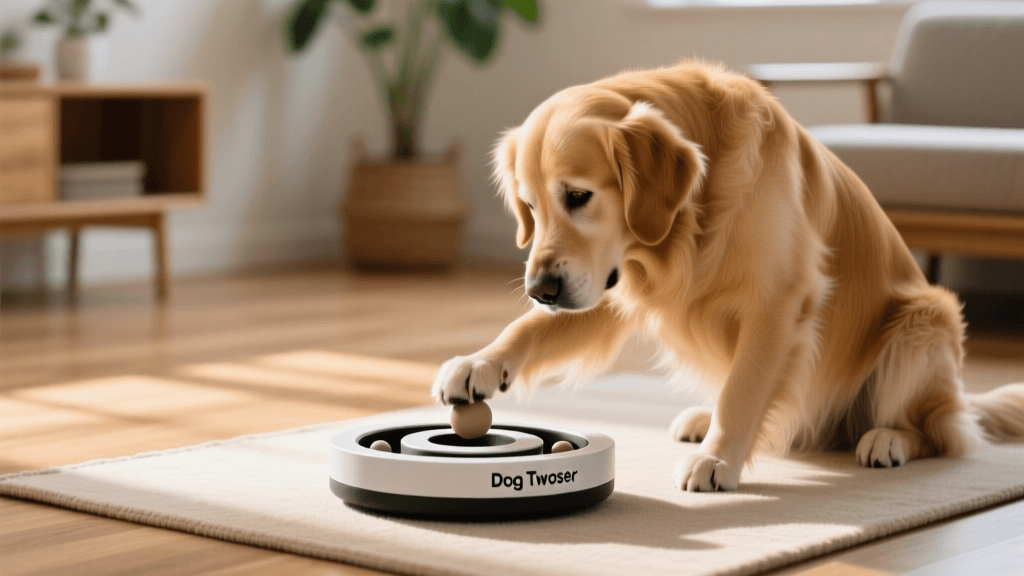
Among the myriad of puzzle toys available on the market this year, the Nina Ottosson Dog Twister (Skill Level 3) remains a gold standard for intermediate to advanced canine problem solvers. Unlike simpler lift-the-flap puzzles, the Dog Twister requires a multi-step cognitive process: the dog must locate the scent, slide the tray outward, and navigate around physical blockers to access the reward.
The 2026 iterations of the Dog Twister feature improved, pet-safe composite materials that are entirely BPA-free, phthalate-free, and PVC-free, ensuring that aggressive chewers are not exposed to harmful microplastics. The puzzle features twelve treat compartments and comes with bone-shaped covers that can be used to increase the difficulty level as your dog's cognitive skills improve.
Step-by-Step Training Protocol
Introducing a Level 3 puzzle to a dog requires patience and a structured training protocol. If you simply fill the puzzle and hand it to your dog, they are likely to become frustrated and abandon the task. Follow this progressive training guide to ensure success.
Level 1: Introduction and Scent Loading
Before introducing the locking mechanisms, you must teach your dog how the sliding trays operate. Begin by pulling all the trays completely outward. Do not use the bone covers yet. Place high-value, highly aromatic treats (such as freeze-dried liver or small pieces of boiled chicken) into the exposed compartments. Allow your dog to observe you placing the treats. Use a marker word like 'Find it!' and encourage them to eat the rewards directly from the open trays. Repeat this until your dog confidently approaches the puzzle and clears all compartments.
Level 2: The Sliding Mechanic
Once your dog understands that the puzzle holds food, push the trays halfway in. The scent will still be detectable, but the dog must now use their paws or snout to slide the tray outward to access the reward. If your dog struggles, guide their paw or nose to demonstrate the sliding motion. Reward heavily for any interaction that moves the tray. Gradually push the trays further inward over several sessions until they are fully flush with the base.
Level 3: Adding the Bone Blockers
The final stage introduces the white bone-shaped covers. These act as physical locks. To access the sliding tray, the dog must first nudge or paw the bone cover out of the way, and then slide the tray. Start by placing the bone covers only halfway over the locking notches so they are easy to dislodge. As your dog masters the two-step sequence, lock the bones fully into place. This requires significant executive function and impulse control from your dog.
Troubleshooting Common Dog Twister Issues
Even the smartest dogs can hit a wall when learning complex mechanical puzzles. Below is a troubleshooting chart to help you identify and resolve common training hurdles in 2026.
| Behavioral Issue | Likely Cause | 2026 Training Solution |
|---|---|---|
| Dog flips the entire puzzle | Frustration or lack of stability | Place the puzzle on a non-slip silicone mat or hold the base steady during early training phases. |
| Dog ignores the puzzle | Treat value is too low or dog is not hungry | Switch to novel, high-scent treats like green tripe or sardines. Train before meal times. |
| Dog paws aggressively at the bone covers | Does not understand the sliding mechanic | Remove the bone covers entirely. Revert to Level 2 and practice the sliding motion exclusively. |
| Dog abandons puzzle after one attempt | Cognitive fatigue or task is too difficult | Shorten sessions to 3 minutes. End on a successful, easy slide before the dog gets frustrated. |
Weekly Mental Enrichment Schedule
To prevent habituation, it is crucial to rotate your dog's enrichment activities. Relying solely on the Dog Twister every day can lead to boredom. Here is a sample weekly schedule that integrates the Twister with other scent-based activities recommended by modern behaviorists.
- Monday: Dog Twister (Level 3) - 10 minutes before dinner.
- Tuesday: DIY Snuffle Mat Scavenger Hunt - Scatter kibble in a high-pile fleece snuffle mat around the living room.
- Wednesday: Dog Twister (Level 2) - Focus on speed and sliding mechanics with lower-value treats.
- Thursday: Muffin Tin Shell Game - Place treats in a muffin tin and cover with tennis balls.
- Friday: Dog Twister (Level 3) - Full bone locks, using premium rewards.
- Saturday: Outdoor Scent Trail - Drag a treat pouch through the grass and let your dog track the path.
- Sunday: Rest Day / Lick Mat - Provide a frozen lick mat for passive, soothing enrichment without complex problem-solving.
Hygiene and Maintenance Protocols
Because the Dog Twister features multiple sliding tracks and small crevices, it can harbor bacteria and yeast if not cleaned properly, especially when using wet or raw treats. In 2026, veterinary dermatologists strongly advise against using harsh chemical cleaners on dog toys. Instead, disassemble the puzzle as much as possible and wash it in warm water with an enzymatic, pet-safe dish soap. Use a small silicone brush or an old toothbrush to clean out the sliding tracks where dried saliva and treat dust accumulate. Allow the puzzle to air dry completely on a wire rack to prevent mold growth in the tracks before the next use.
Expert Perspectives on Canine Cognition
Understanding the 'why' behind puzzle training can vastly improve your patience and consistency as a handler. As noted by experts at Fear Free Happy Homes, allowing dogs to work for their food mimics the natural foraging behaviors they would exhibit in the wild. This not only burns mental energy but also builds confidence in shy or reactive dogs.
When a dog successfully solves a mechanical puzzle like the Dog Twister, their brain releases a surge of dopamine. This neurochemical reward reinforces problem-solving behaviors and creates a positive feedback loop that makes the dog more resilient to environmental stressors.
By integrating the Nina Ottosson Dog Twister into your 2026 training regimen, you are doing far more than just keeping your dog busy. You are actively participating in their cognitive health, reducing their anxiety, and forging a deeper communicative bond between you and your canine companion. Start slow, celebrate the small victories, and watch your dog's problem-solving skills flourish.
tom-renshaw
All our authors care for dogs every day — read more of their work on the authors page.