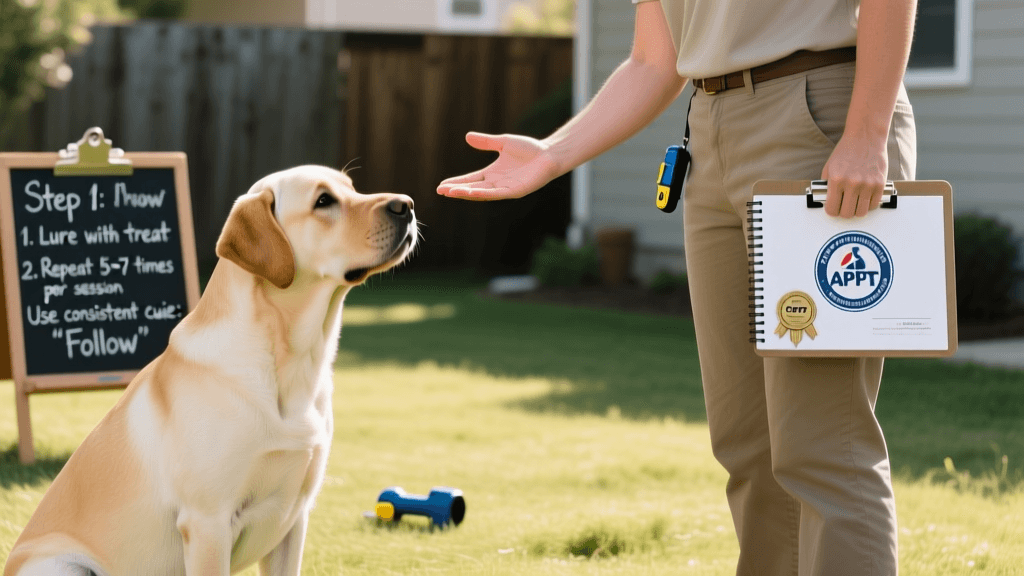
Tailoring Dog Training to Breed Genetics and Health
Discover how to tailor your dog's training routine based on breed genetics, health profiles, and physical limits for safe, effective obedience.

Introduction: Why Genetics Matter in Dog Training
When we think of dog training, we typically focus on psychology, repetition, and positive reinforcement. However, a dog’s physical blueprint—dictated by their breed genetics and inherent health profiles—plays an equally critical role in how they learn, what they can safely perform, and how long they can sustain focus. Ignoring these genetic predispositions can lead to chronic injuries, respiratory distress, or severe behavioral burnout. By understanding the intersection of canine genetics and behavioral conditioning, owners can create highly effective, safe, and customized training regimens that honor their dog’s biological realities.
Whether you are teaching basic obedience, preparing for agility competitions, or engaging in advanced trick training, acknowledging your dog's genetic health profile is the first step toward sustainable success. This guide explores how to adapt your training methodology based on specific breed groups, genetic vulnerabilities, and actionable health data.
Large and Giant Breeds: Joint Health and Growth Plates
Large and giant breed dogs, such as Great Danes, Saint Bernards, German Shepherds, and Labrador Retrievers, are genetically predisposed to orthopedic conditions like hip and elbow dysplasia. According to the Orthopedic Foundation for Animals (OFA), hip dysplasia is a complex, polygenic trait influenced heavily by genetics and exacerbated by environmental factors, including premature high-impact exercise.
In giant breeds, the growth plates (epiphyseal plates) at the ends of long bones do not fully close and ossify until the dog is between 18 and 24 months of age. Subjecting a young, growing dog to repetitive jumping, sharp agility turns, or high-impact activities like flyball can cause microfractures and permanent joint damage.
Training Modifications for Large Breeds
- Delay High-Impact Sports: Avoid formal agility training, repetitive frisbee catching, and jumping over hurdles until your dog is at least 18 months old (24 months for giant breeds like Mastiffs or Great Danes).
- Focus on Groundwork: During the first year, prioritize mental stimulation, scent work, and flat-ground obedience. Teach complex tricks that do not require rearing up on hind legs, such as "sit pretty," which places undue stress on developing lumbar vertebrae and hips.
- Surface Awareness: Train on forgiving surfaces like grass, dirt, or specialized rubber agility matting. Avoid training on slick surfaces like hardwood floors or concrete, which can cause splaying and stress the hip joints.
- Weight Management: Keep your large breed dog on the lean side during their growth phase. Excess weight multiplies the force exerted on developing joints during training exercises.
Brachycephalic Breeds: Respiratory Limits and Heat Intolerance
Brachycephalic breeds—including French Bulldogs, Pugs, English Bulldogs, and Boston Terriers—have been selectively bred for shortened muzzles. While aesthetically popular, this genetic trait often results in Brachycephalic Obstructive Airway Syndrome (BOAS). The American College of Veterinary Surgeons (ACVS) notes that BOAS causes narrowed airways, elongated soft palates, and severe respiratory compromise, making these dogs highly susceptible to heatstroke and exercise intolerance.
Training a brachycephalic dog requires a fundamental shift in how we measure "success" and endurance. What is a light warm-up for a Border Collie can be a life-threatening exertion for a Pug.
Training Modifications for Brachycephalic Breeds
- Temperature Thresholds: Never conduct outdoor training sessions when the ambient temperature exceeds 65°F (18°C). High humidity further restricts their ability to cool down through panting.
- Micro-Sessions: Replace traditional 30-minute training blocks with "micro-sessions" lasting 3 to 5 minutes. Allow for complete respiratory recovery between sets.
- Harness Over Collar: Never use a slip lead, choke chain, or standard neck collar during leash training. Pressure on the trachea can cause immediate respiratory distress or tracheal collapse. Always use a well-fitted, front-clip chest harness like the Ruffwear Front Range or Kurgo Tru-Fit to distribute pressure across the sternum.
- Swimming Precautions: Due to their heavy front ends and compromised airways, many brachycephalic dogs cannot swim and will sink. Do not use water retrieval as a training reward or exercise without a specialized canine life jacket and constant physical support.
Herding and Working Breeds: High Drive and Orthopedic Risks
Herding breeds like Border Collies, Australian Shepherds, and Belgian Malinois possess immense cognitive drive and physical stamina. Genetically wired to work livestock for miles over rough terrain, these dogs require intense mental and physical outlets. However, their relentless drive can mask pain and fatigue, leading to overtraining injuries.
Additionally, many herding breeds carry the MDR1 (multidrug resistance 1) gene mutation. While this does not directly impact behavioral training, it is a critical genetic health profile to know. If your dog sustains an injury during agility or obedience training and requires veterinary intervention, the MDR1 mutation causes severe, potentially fatal neurotoxicity when exposed to common medications like ivermectin or certain anti-diarrheal drugs.
Training Modifications for Herding Breeds
- Mental Fatigue Over Physical Exhaustion: A 15-minute session of complex shaping, puzzle toys, or scent discrimination will tire a herding dog more effectively than a 3-mile run. Teach them to "turn off" and settle on a mat to prevent obsessive-compulsive behaviors, which are genetically prevalent in high-drive lines.
- Impulse Control Drills: Because their genetic instinct is to chase moving objects (cars, bikes, children), prioritize impulse control games like "Leave It" and "Wait" before introducing off-leash recall in unfenced areas.
- Monitor for Repetitive Stress: In sports like flyball or disc dog, monitor for repetitive strain injuries in the shoulders and spine. Limit the number of high-speed, twisting retrieves per session.
Adapting Training Techniques to Genetic Predispositions
To help you visualize how to adjust your training plan, refer to the comparative chart below. This structured list outlines the primary genetic risks associated with major breed groups and the corresponding training modifications required to keep your dog safe and engaged.
| Breed Group | Primary Genetic Health Risk | Training Modification | Ideal Session Length |
|---|---|---|---|
| Giant Breeds (e.g., Great Dane) | Hip/Elbow Dysplasia, Delayed Growth Plate Closure | Flat-ground obedience, scent work, no jumping | 15-20 minutes |
| Brachycephalic (e.g., French Bulldog) | BOAS, Heat Intolerance, Tracheal Collapse | Indoor training, harness-only, low-impact tricks | 3-5 minutes |
| Herding (e.g., Border Collie) | MDR1 Mutation, OCD, Repetitive Strain | Complex shaping, impulse control, settle training | 10-15 minutes (Mental) |
| Sighthounds (e.g., Greyhound) | Thin Skin, Anesthesia Sensitivity, Toe Injuries | Lure coursing, recall in fenced areas, soft surfaces | 10-15 minutes (Sprint) |
| Chondrodysplastic (e.g., Dachshund) | Intervertebral Disc Disease (IVDD) | Ramp training, no stair jumping, core strengthening | 10 minutes |
Genetic Testing: A Tool for Smarter Training
In recent years, canine DNA testing has evolved from a novelty into a vital tool for proactive health management and tailored training. According to the American Kennel Club (AKC), DNA tests can identify over 200 genetic health markers, providing owners with a roadmap of potential future ailments before they manifest.
Leading products like the Embark Breed + Health Kit (approximately $199) and the Wisdom Panel Premium (approximately $159) offer comprehensive screenings for orthopedic risks, cardiac conditions, and drug sensitivities. By swabbing your dog's cheek, you can uncover hidden genetic time bombs that should dictate your training trajectory.
How to Apply DNA Results to Training
- Predictive Joint Care: If your mixed-breed rescue's DNA test reveals a high genetic marker for degenerative myelopathy or severe hip dysplasia, you can proactively avoid agility sports and instead train them for therapy work, nose work, or cart pulling on flat terrain.
- Weight Management Protocols: Some DNA tests indicate a genetic predisposition to obesity (such as the POMC gene mutation common in Labs). Knowing this, you must strictly measure training treats, substituting high-value kibble for calorie-dense chews to prevent weight gain that would ruin their joints.
- Career Planning: If you intend to train your dog for competitive obedience or search and rescue, a genetic profile can confirm whether they possess the physical longevity to withstand a working career, or if they should be transitioned to a low-impact companion role.
Conclusion
Effective dog training is an ongoing dialogue between handler and hound, but it must be grounded in biological reality. By respecting your dog’s breed-specific health profiles and leveraging modern genetic testing, you can design a training program that maximizes their cognitive potential while fiercely protecting their physical well-being. Whether you are managing the delicate growth plates of a giant breed puppy, navigating the respiratory limits of a brachycephalic companion, or channeling the intense drive of a herding dog, genetics should always be the compass that guides your training journey. Train smart, train safely, and honor the unique genetic blueprint that makes your dog who they are.
priya-sutaria
All our authors care for dogs every day — read more of their work on the authors page.