Training Brachycephalic Dogs: Adapting to Genetic Airway Limits
Learn how to safely train brachycephalic breeds like Pugs and French Bulldogs by adapting obedience routines to their genetic respiratory limits.

Understanding the Genetic Reality: BOAS and Training
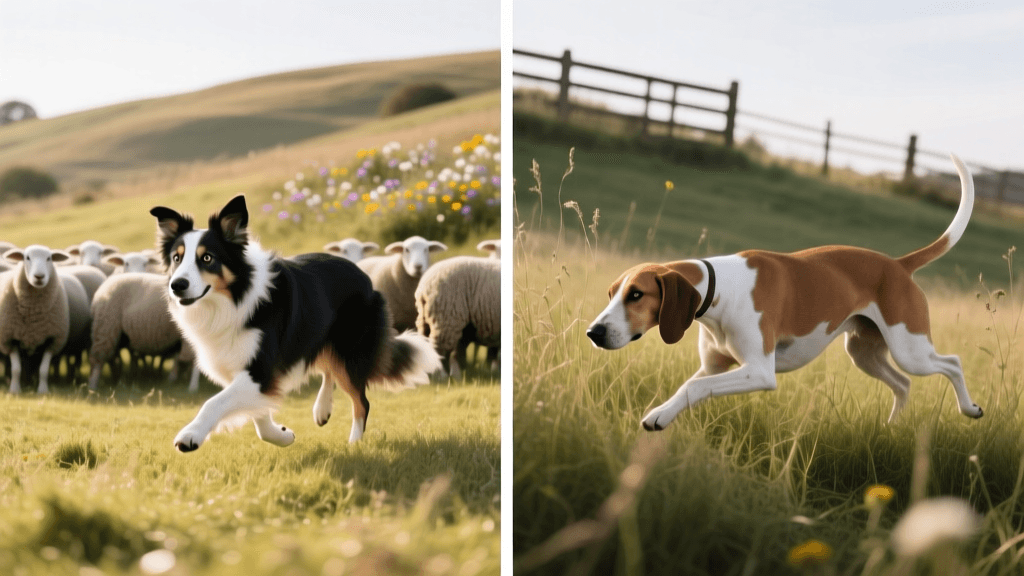
When we think of dog training, we often picture high-energy Border Collies flying over agility jumps or Labrador Retrievers fetching for hours. However, training brachycephalic (flat-faced) breeds like French Bulldogs, Pugs, and English Bulldogs requires a fundamentally different approach. These breeds are genetically predisposed to Brachycephalic Obstructive Airway Syndrome (BOAS). According to the American College of Veterinary Surgeons, BOAS encompasses a range of upper airway abnormalities, including stenotic nares (narrowed nostrils), an elongated soft palate, and a hypoplastic trachea.
These genetic traits mean that your dog cannot cool itself as efficiently as a longer-snouted breed. Panting is a dog's primary method of thermoregulation, but the restricted airways of brachycephalic dogs make this process laborious and sometimes dangerous. Therefore, traditional, physically demanding training sessions can quickly lead to respiratory distress or fatal heatstroke. As a responsible owner, you must adapt your behavioral conditioning and obedience training to respect these hardwired genetic limits.
Essential Gear for Flat-Faced Breeds
The first rule of training a brachycephalic dog is to never use a traditional neck collar for leash walking or behavioral corrections. Pressure on the trachea can exacerbate existing airway collapse and cause severe coughing fits or fainting.
1. The Right Harness
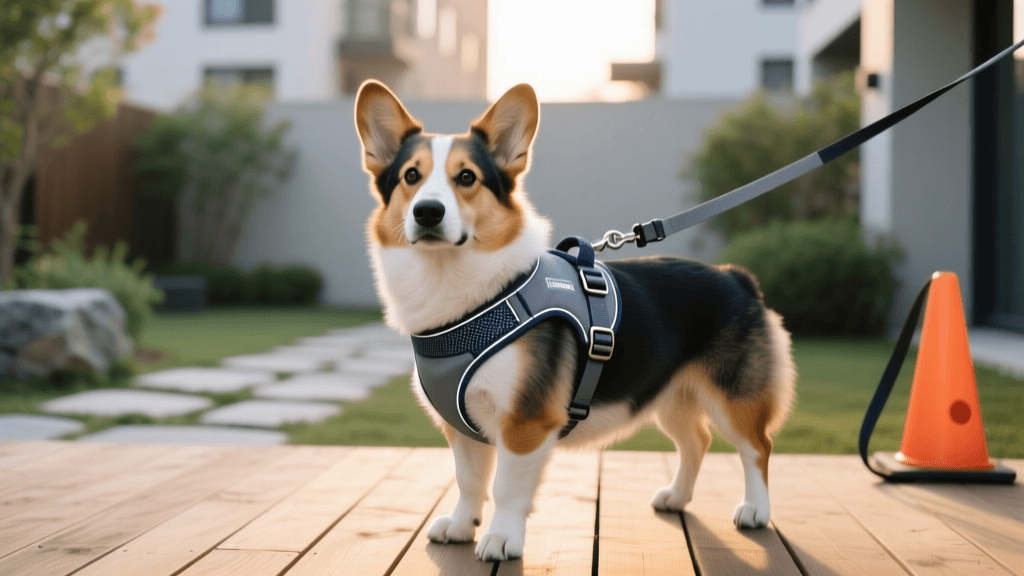
Invest in a well-fitted, Y-shaped or padded chest harness. The Kurgo Tru-Fit Smart Harness (approx. $25-$30) is an excellent choice because it features a front-clip ring that gently redirects pulling without putting pressure on the neck. For a more premium option, the Ruffwear Front Range Harness ($40) offers superior padding and a customized fit that prevents chafing around the armpits, which is common in barrel-chested breeds like the English Bulldog.
To ensure a proper fit, you should be able to slide two fingers comfortably under the chest strap. A harness that is too tight will restrict ribcage expansion during heavy breathing, while one that is too loose will cause chafing and allow the dog to slip out if they panic.
2. Cooling Vests and Mats
If you are training outdoors, a cooling vest is non-negotiable during warmer months. The Ruffwear Swamp Cooler Vest ($70) uses evaporative cooling to lower your dog's core temperature. Alternatively, train indoors on a K&H Pet Products Cool Bed III ($45) to keep them comfortable during mental enrichment exercises.
Structuring Safe Training Sessions
Because brachycephalic dogs tire quickly and struggle with oxygen intake, marathon training sessions are counterproductive and unsafe.
- Micro-Sessions: Limit training to 3 to 5 minutes at a time. You can do three 5-minute sessions spread throughout the day rather than one 15-minute block.
- Time of Day: Schedule outdoor recall or loose-leash training strictly during the early morning or late evening when temperatures are below 65°F (18°C).
- High-Value, Low-Calorie Rewards: Since exercise is limited, obesity is a massive genetic and environmental risk factor that worsens BOAS. Use tiny treats like Zuke's Mini Naturals (under 3 calories each) to keep your dog motivated without packing on the pounds.
Breed-Specific Training Adjustments
Not all flat-faced breeds have the exact same genetic health profiles. Here is a comparison chart to help you tailor your training approach based on your specific breed's genetic predispositions.
| Breed | Primary Genetic Health Risks | Training Focus | Max Session Length |
|---|---|---|---|
| French Bulldog | BOAS, IVDD (Spinal issues), Allergies | Leash manners, low-impact trick training | 5-7 minutes |
| Pug | BOAS, Pug Dog Encephalitis, Obesity | Impulse control, scent work, strict diet management | 5 minutes |
| English Bulldog | Severe BOAS, Hip/Elbow Dysplasia, Cherry Eye | Basic obedience, gentle socialization, joint-safe movement | 3-5 minutes |
| Shih Tzu | BOAS, Patellar Luxation, Dental Disease | Handling exercises, indoor agility (low jumps) | 7-10 minutes |
The Life-Saving 'Drop It' and 'Leave It' Commands
While teaching a Border Collie to 'Drop It' is about saving your shoes, teaching a brachycephalic dog to 'Drop It' is about saving their life. Dogs with BOAS are at a significantly higher risk for complications under general anesthesia. If your dog swallows a sock, a toy, or a toxic item, the emergency surgery required to remove it carries severe respiratory risks due to their compromised airways.
Therefore, impulse control training is your highest priority.
- Trade-Up Game: Give your dog a low-value toy. When they take it, offer a high-value treat (like a tiny dab of peanut butter on a spoon). As they drop the toy to lick the spoon, say 'Drop It.' This builds a positive association with releasing items from their mouth.
- Leave It Protocol: Place a treat under your shoe. When your dog stops pawing and sniffing your shoe and makes eye contact with you, mark the behavior with a 'Yes!' and reward them with a treat from your other hand. This teaches them that ignoring forbidden items yields better rewards.
Socialization and Mental Enrichment Without Overexertion
Because physical exercise must be strictly monitored, brachycephalic dogs still need an outlet for their energy to prevent destructive behavioral issues. The American Kennel Club emphasizes that mental stimulation can be just as tiring for a dog as a long physical walk. For a Pug or Frenchie, 15 minutes of intense nose work can equate to an hour of physical exertion.
Actionable Enrichment Strategies:
- Snuffle Mats: Hide your dog's daily kibble ration in a snuffle mat (approx. $20-$30). This forces them to use their genetic foraging instincts, burning mental energy without raising their heart rate or respiratory effort.
- Frozen KONG Classics: Stuff a KONG Classic ($15) with plain Greek yogurt and blueberries, then freeze it. Licking is a naturally soothing behavior for dogs that releases endorphins, helping to calm them during stressful events like thunderstorms or fireworks without requiring physical exertion.
- Scent Work Games: To begin scent work, start with a single treat in one hand and let your dog sniff it. Close that hand, and present both fists. When your dog nudges the correct hand, open it and let them eat the treat. Gradually increase the difficulty by hiding treats under cups, then in different rooms, eventually using specific essential oils like birch or anise for formal nose-work competitions. This taps into their genetic olfactory strengths while keeping their respiratory rate completely stable.
Behavioral Conditioning for Stress-Free Vet Visits
Because brachycephalic dogs are frequent visitors to the veterinary clinic for breed-specific health issues, behavioral conditioning for medical handling is a critical component of their training. Stress and anxiety cause an increased heart rate and heavier panting, which can quickly escalate into a respiratory crisis for a dog with BOAS.
Start cooperative care training early. Use a target stick or a sticky note on a wall to teach your dog to rest their chin on a surface (the 'Chin Rest' behavior). This voluntary restraint technique allows veterinarians to examine their eyes, ears, and elongated soft palates without the need for forceful physical restraint, keeping the dog's heart rate and breathing steady. Pair these handling exercises with high-value rewards like squeeze tubes of lickable dog food to create a positive emotional response to medical manipulation.
Monitoring for Respiratory Distress During Training
Even with the best precautions, you must know how to read your dog's genetic warning signs. According to resources from the People's Dispensary for Sick Animals (PDSA), owners often mistake heavy, noisy breathing for 'normal' breed quirks. It is vital to recognize when your dog has reached their limit.
Stop training immediately and move to a cool, air-conditioned environment if you observe:
- Loud, raspy breathing or excessive snorting during light activity.
- A change in gum or tongue color from pink to blue, purple, or bright red (indicating oxygen deprivation or overheating).
- Reluctance to sit, lie down, or continue engaging with training treats.
- Excessive drooling or foaming at the mouth beyond normal treat anticipation.
Conclusion: Patience and Genetic Empathy
Training a brachycephalic breed is an exercise in empathy. You are working with a dog whose very anatomy fights against physical exertion. By shifting your focus from physical endurance to mental enrichment, utilizing joint- and airway-safe gear, and keeping training sessions micro-sized, you can build a deeply bonded, well-behaved companion. Respecting your dog's genetic health profile isn't just about keeping them safe; it's about setting them up for a lifetime of successful, stress-free learning.
beth-carrasco
All our authors care for dogs every day — read more of their work on the authors page.