Training High-Energy Breeds: Border Collie vs Labrador
Compare training strategies for Border Collies and Labrador Retrievers. Learn breed-specific obedience tips for high-energy dogs.
Selecting the Right Breed for Your Training Lifestyle
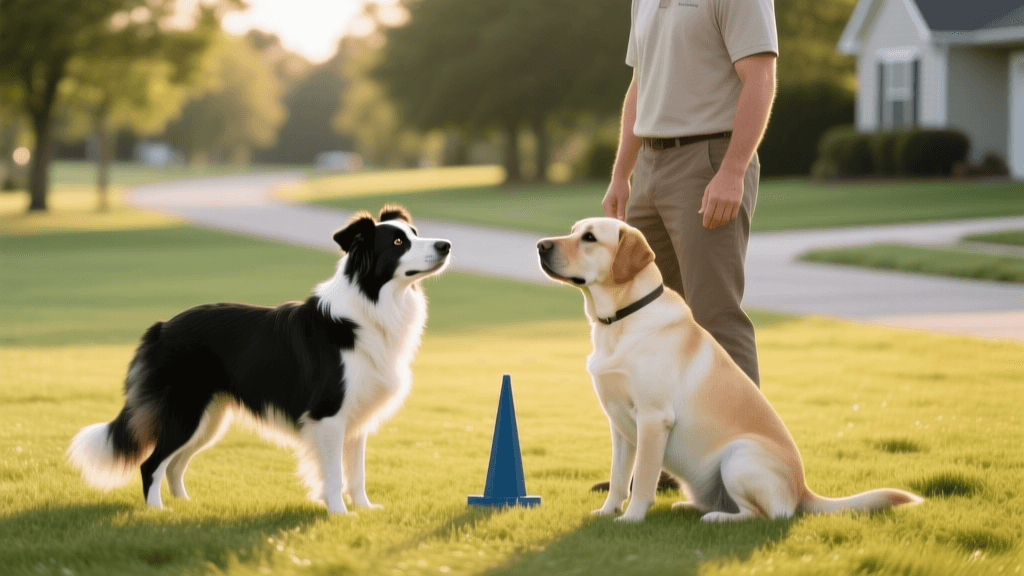
Selecting the right dog breed is only the first step in a lifelong journey of companionship; the true challenge lies in tailoring your training approach to your dog’s innate genetic predispositions. When prospective owners compare high-energy, highly trainable breeds, the Border Collie and the Labrador Retriever frequently top the list. While both breeds are renowned for their intelligence and work ethic, their psychological drivers, learning styles, and behavioral needs are fundamentally different. Understanding these distinctions is critical for preventing behavioral issues and fostering a harmonious household. This comprehensive guide explores breed-specific training strategies, essential gear, and developmental timelines for these two iconic breeds.
The Herding Mindset: Training the Border Collie
Bred for centuries to control the movement of sheep across rugged terrain, the Border Collie possesses an intense, almost obsessive focus. According to breed standards outlined by the American Kennel Club, this breed is characterized by its uncanny intelligence and boundless energy. However, this herding instinct can manifest as problematic behaviors in a domestic setting, such as nipping at children’s heels, chasing cars, or exhibiting severe reactivity to fast-moving objects.
Impulse Control and Mental Exhaustion
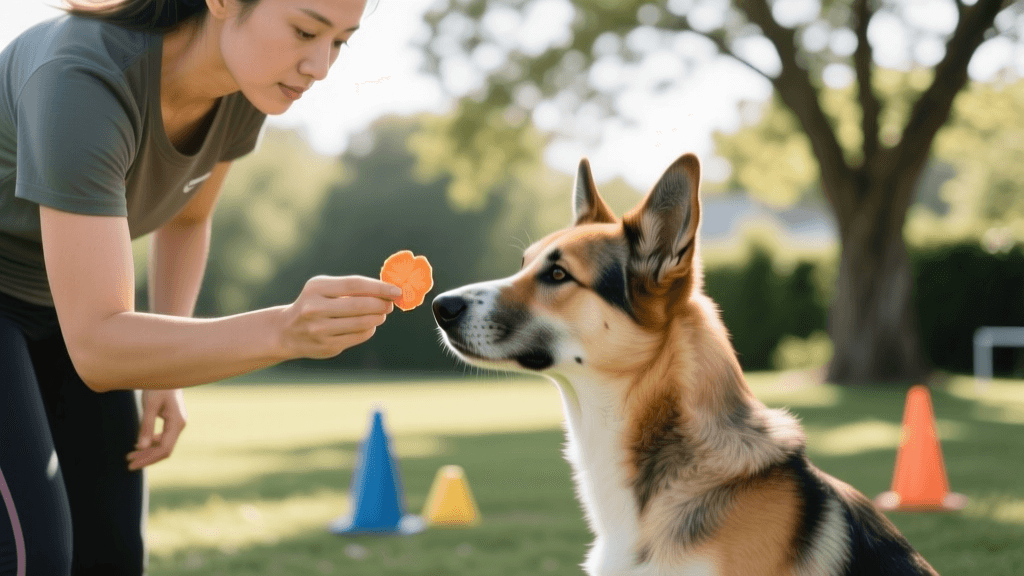
To train a Border Collie effectively, you must prioritize impulse control and mental exhaustion over mere physical exercise. A simple three-mile run will not satisfy a Border Collie’s cognitive needs. Instead, integrate the 'Place' command into your daily routine. Teach your dog to settle on a raised cot, such as the Kuranda Chew-Proof Dog Bed ($130), for progressively longer durations. Start with 10-second intervals and reward with high-value treats like freeze-dried beef liver. Gradually increase the time to 30 minutes while you work from home.
Furthermore, Border Collies require structured outlet activities. Flirt pole sessions using a Squishy Face Studio Flirt Pole ($35) allow them to chase and bite a lure in a controlled environment, satisfying their predatory drift without reinforcing bad habits. Always enforce a strict 'drop it' command during these sessions to ensure the dog remains responsive even when highly aroused. Mental stimulation is equally vital; utilize a Snuffle Mat ($25 to $40) for daily meal enrichment, forcing the dog to forage for kibble and engaging their natural scent-tracking abilities.
The Sporting Mindset: Training the Labrador Retriever
In contrast to the hyper-vigilant Border Collie, the Labrador Retriever is a gundog bred for marking fallen game, retrieving softly, and working cooperatively with a human hunter. The American Kennel Club notes that Labs are famously eager to please, making them highly food-motivated and generally more forgiving of novice training errors. However, their exuberance and tendency to become easily distracted by environmental scents can make off-leash reliability a significant challenge.
Leveraging Drive and Food Motivation
Training a Labrador Retriever hinges on leveraging their natural retrieving drive and food motivation. For basic obedience, use a treat pouch filled with soft, pea-sized rewards like Zuke’s Mini Naturals. Because Labs are prone to pulling on the leash during their adolescent phase (6 to 18 months), equip them with a Ruffwear Front Range Harness ($40). This dual-clip harness allows you to attach the leash to the front chest ring, gently redirecting their momentum toward you whenever they pull, thereby teaching loose-leash walking without causing tracheal damage.
To hone their breed-specific skills, introduce retrieve-based games early. Use a Dokken DeadFowl Trainer ($45), a foam dummy designed with hard plastic ends that discourage chewing and promote a soft, secure mouth grip. Begin with short, 10-yard retrieves in a low-distraction hallway. Command 'sit' before the throw to instill steadiness, preventing the Lab from breaking the stay command. As they mature, transition to outdoor environments using a 15-foot BioThane long line ($35) to practice emergency recalls, ensuring you can safely enforce the 'come' command if they catch an enticing scent.
Head-to-Head Breed Comparison Chart
| Training Metric | Border Collie | Labrador Retriever |
|---|---|---|
| Primary Motivation | Movement, toys, handler interaction | Food, praise, retrieving objects |
| Learning Speed | Extremely fast (can learn in 1-5 reps) | Fast (typically 5-15 reps) |
| Distractibility | Visual triggers (cars, bikes, runners) | Olfactory triggers (scents, wildlife) |
| Common Behavioral Pitfalls | Herding/nipping, neurotic pacing, reactivity | Jumping, leash pulling, counter-surfing |
| Ideal Training Environment | Structured agility, herding trials, advanced obedience | Scent work, hunt tests, therapy work |
| Daily Mental Requirement | High (60+ minutes of cognitive work) | Moderate (30-45 minutes of enrichment) |
Early Socialization and Conditioning Timelines
Regardless of whether you select a herding breed or a sporting breed, the critical socialization window occurs between 8 and 16 weeks of age. During this neurological developmental phase, puppies must be exposed to a wide variety of surfaces, sounds, people, and other vaccinated dogs to prevent future fear-based reactivity. Enrolling in a structured puppy kindergarten class is highly recommended. Expect to invest between $150 and $300 for a six-week group course. These classes provide a controlled environment for bite inhibition and foundational recall.
Breed-Specific Socialization Focus
For Border Collies, early socialization must heavily emphasize environmental neutrality. Because they are naturally suspicious of novel stimuli, you must pair new experiences with high-value rewards to build positive associations. If your Collie puppy shows hesitation toward a loud machinery noise or an unfamiliar person, do not force the interaction; instead, increase your distance from the trigger and feed treats until the dog exhibits relaxed body language.
For Labrador Retrievers, early socialization should focus heavily on impulse control and handling exercises. Labs are notoriously mouthy and physical. Teach 'leave it' and 'gentle' commands by week 10 to curb resource guarding and nipping. Practice daily grooming simulations—handling their paws, ears, and mouth—while feeding a continuous stream of treats to prepare them for veterinary visits.
Seeking Professional Guidance
If you encounter significant behavioral hurdles, such as severe leash reactivity or resource guarding, it is crucial to seek help from a certified professional rather than relying on outdated, dominance-based internet forums. The Association of Professional Dog Trainers recommends seeking out trainers who utilize evidence-based, positive reinforcement methodologies. Private behavioral consultations typically range from $150 to $250 per hour, but investing in early professional intervention can save thousands of dollars in potential property damage or veterinary bills resulting from dog bites.
Conclusion
Ultimately, the choice between a Border Collie and a Labrador Retriever should not be based solely on aesthetics or popularity, but on your lifestyle and your willingness to meet their specific training needs. The Border Collie demands an active, structured partner willing to engage in complex cognitive tasks daily. The Labrador Retriever requires an active family ready to channel their exuberant retrieving drive and food motivation into cooperative games. By respecting their genetic blueprints and utilizing breed-specific tools, timelines, and techniques, you can transform a high-energy puppy into a well-mannered, deeply bonded companion.
tom-renshaw
All our authors care for dogs every day — read more of their work on the authors page.