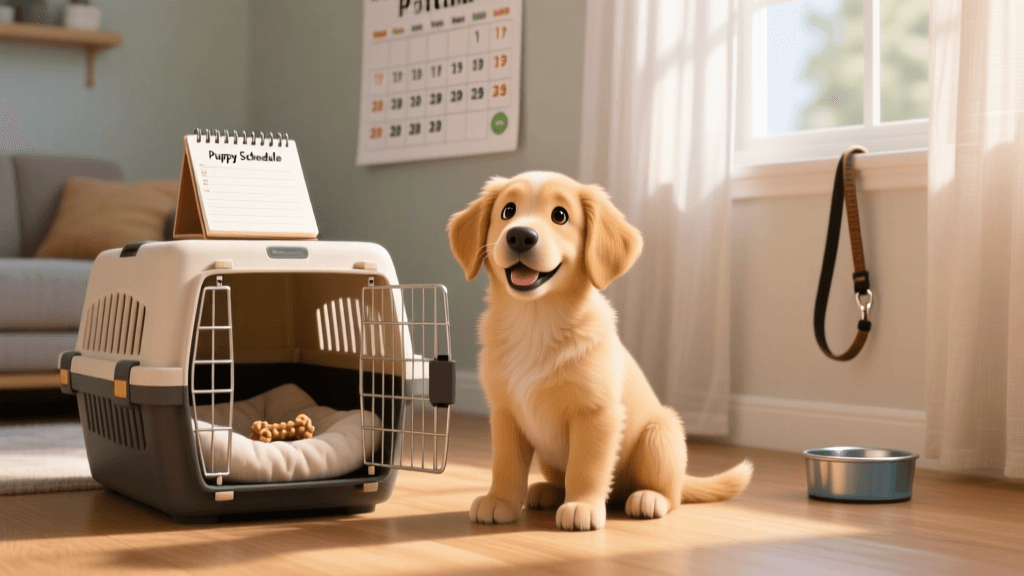
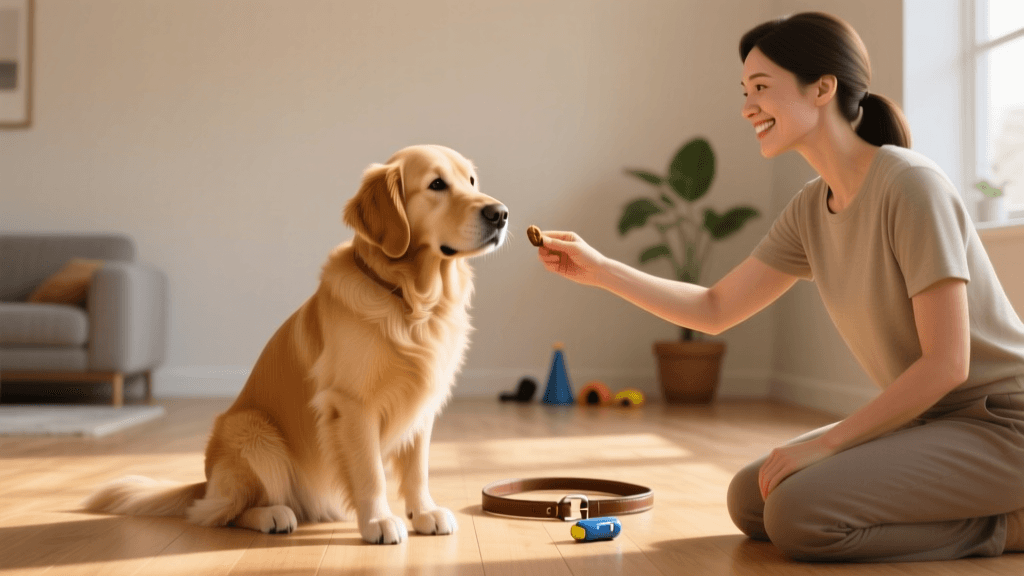
Training Your Dog for Stress-Free Road Trips & Travel
Learn step-by-step training techniques to prepare your dog for road trips, including car acclimation, crate settling, and hotel manners.

Why Pre-Trip Training is Non-Negotiable
Embarking on a cross-country road trip or a weekend getaway to a dog-friendly cabin is a dream for many pet owners. However, the reality of traveling with an untrained dog can quickly turn into a nightmare of whining, car sickness, destroyed hotel rooms, and dangerous off-leash incidents. Travel training is not just about teaching your dog to ride in a car; it is a comprehensive behavioral conditioning process that ensures your dog feels safe, secure, and relaxed in constantly changing environments.
According to the American Veterinary Medical Association (AVMA), proper restraint and acclimation are critical for both the physical safety of the pet and the driver. A 60-pound dog in a car traveling at 35 mph can become a 2,700-pound projectile in a sudden stop. Beyond physics, the psychological toll of travel on an unprepared dog can lead to severe anxiety and reactive behaviors. This guide will walk you through a structured, actionable training protocol to transform your dog into the ultimate travel companion.
Phase 1: Car Acclimation and Safety Restraint Training
Many dogs associate the car solely with the stress of the veterinary clinic. To build a positive emotional response, you must decouple the car from negative outcomes using a 14-day desensitization protocol.
The 14-Day Car Acclimation Protocol
- Days 1-3 (Engine Off): Sit in the backseat or cargo area with your dog. Feed high-value treats (like boiled chicken or freeze-dried liver) for simply entering the vehicle. Practice the "3-Second Rule": your dog must remain seated or settled for 3 full seconds before receiving the treat and verbal praise.
- Days 4-7 (Engine On, Stationary): Start the engine but do not move. Practice settling on a designated car mat or inside a travel crate. Reward calm breathing and relaxed body posture.
- Days 8-14 (Short Drives): Take 2-minute drives around the block, ending at a highly rewarding location like a park or a quiet trailhead. Gradually increase drive time by 5 minutes each day.
Choosing and Training with Safety Restraints
Free-roaming in a vehicle is incredibly dangerous. You must condition your dog to accept a restraint system. The two safest options are a crash-tested harness or a crash-tested crate.
- Crash-Tested Harness: The Sleepypod Clickit Sport (approx. $115) is a top-tier choice. To train your dog to wear it, leave the harness on the floor with treats scattered on it. Gradually work up to buckling it in the car's seatbelt anchor, rewarding heavily for compliance.
- Crash-Tested Crate: For SUVs, the 4Pets ProLine or Gunner Kennels G1 (ranging from $500 to $700) offer maximum protection. Feed your dog their daily meals inside the crate while it is stationary in your home, then move it to the vehicle to build a positive association.
Phase 2: Mastering the "Place" Command for Hotels and Rentals
When you arrive at an Airbnb or a pet-friendly hotel, your dog will be flooded with new scents and stimuli. The "Place" command is your anchor. It teaches your dog to go to a specific mat and relax, regardless of the environment.
The Mat Shaping Game
Invest in a dedicated, portable travel mat, such as the Ruffwear Highlands Sleeping Pad (approx. $50). This pad becomes a visual cue that means "settle down."
- Step 1: Place the mat on the floor in your living room. Click or say "Yes!" and treat any time your dog looks at, steps on, or sniffs the mat.
- Step 2: Require all four paws on the mat before rewarding. Begin adding the verbal cue "Place" just as they step on.
- Step 3: Build duration. Wait 5 seconds before treating, then 10 seconds, then 30 seconds. Toss the treat off the mat to reset them, then cue "Place" again.
- Step 4: Generalize the behavior. Move the mat to the kitchen, the backyard, the patio, and eventually, a local coffee shop patio. The dog must learn that the mat, not the room, is the boundary for settling.
When you enter a hotel room, immediately deploy the mat in a designated corner. This prevents pacing, barking at hallway noises, and jumping on the beds.
Phase 3: Trail Recall and Long-Line Conditioning
Dog-friendly adventures often involve hiking trails or national forests. While off-leash hiking is appealing, it requires a bulletproof recall. Until your dog has passed rigorous recall testing, you must use a long line to ensure safety and comply with local leash laws.
Purchase a 15-to-30-foot Biothane long line (approx. $35-$45). Biothane is waterproof, mud-proof, and doesn't burn your hands like nylon.
Long-Line Training Drills
- The Check-In Game: On a quiet trail, let your dog explore on the 30-foot line. Every time they voluntarily turn to look at you, say "Yes!" and toss a high-value treat. This builds the habit of checking in with you in distracting environments.
- Emergency Recall: Choose a unique cue (like a whistle or the word "Come!"). Practice this only on the long line. Call the dog, run backward to trigger their chase instinct, and reward with a "jackpot" of 5-10 small treats when they arrive. Never use the emergency recall for something the dog dislikes, like a bath or nail trim.
Travel Training Timeline and Budget Breakdown
Preparing a dog for travel requires an investment of both time and money. Below is a structured breakdown to help you plan your training regimen and budget.
| Training Phase | Timeline Before Trip | Primary Training Goal | Recommended Gear & Est. Cost |
|---|---|---|---|
| Car Acclimation | 4 to 6 Weeks | Eliminate car anxiety and motion sickness | Sleepypod Harness ($115) or Gunner Crate ($550) |
| Mat Settling | 3 to 4 Weeks | Relaxing in novel environments (hotels/cafes) | Ruffwear Highlands Pad ($50) |
| Long-Line Recall | 2 to 3 Weeks | Trail safety and emergency recall conditioning | Biothane Long Line (30ft) ($40) |
| Potty on Cue | 2 Weeks | Eliminating on command at rest stops | Enzymatic Cleaner & Treats ($20) |
Managing Motion Sickness and Potty Breaks
Even with excellent acclimation, some dogs suffer from physiological motion sickness. The ASPCA recommends withholding food for 3 to 4 hours before travel to minimize nausea, while still providing access to water. If behavioral conditioning fails, consult your veterinarian about anti-nausea medications like Cerenia (maropitant citrate), which typically costs between $2 and $4 per tablet and is highly effective for canine motion sickness without causing drowsiness.
Training "Go Potty" on Cue
Rest stops can be chaotic, loud, and heavily scented, making it difficult for a dog to focus on eliminating. You must train a potty cue at home.
- Every time your dog begins to eliminate in your yard, say your chosen cue (e.g., "Hurry up" or "Go potty").
- Immediately after they finish, reward with a treat and enthusiastic praise.
- After two weeks of consistent pairing, give the cue before they begin to eliminate.
- When you arrive at a highway rest stop, take your dog to a quiet, grassy perimeter, give the cue, and reward heavily. This saves immense time and frustration during long travel days.
Final Thoughts on Canine Travel Etiquette
Traveling with your dog is a privilege that requires respect for the spaces you visit and the people around you. A well-trained dog opens doors to more restaurants, rentals, and trails. By dedicating a few weeks to structured car acclimation, mat training, and long-line recall, you are not just ensuring a smoother trip—you are actively enriching your dog's life by safely integrating them into your greatest adventures. Remember to pack a dedicated travel kit including a collapsible bowl, a canine first-aid kit, your dog's regular food to prevent gastrointestinal upset, and plenty of patience. Safe travels and happy trails!
aaron-whyte
All our authors care for dogs every day — read more of their work on the authors page.