The Science of Dog Training: Why Reward-Based Methods Work Best
Discover the science behind reward-based dog training. Learn how positive reinforcement shapes behavior, reduces stress, and builds a stronger bond.
The Evolution of Canine Behavioral Science
For decades, dog training was heavily influenced by outdated dominance theories and aversive conditioning. Trainers and owners were often taught to establish themselves as the 'alpha' using physical corrections, leash pops, and intimidation. However, modern veterinary behavioral science has thoroughly debunked these methods. Today, the gold standard for canine obedience and behavioral conditioning is rooted in reward-based training, also known as positive reinforcement. This approach is not merely a 'kinder' way to train dogs; it is a scientifically proven, highly effective method that leverages the neurobiology of canine learning to produce reliable, long-lasting behavioral changes without the psychological fallout associated with punishment.
The Neurobiology of Canine Learning
To understand why reward-based training is superior, we must first look at the canine brain. Dogs learn primarily through operant conditioning, a psychological framework pioneered by B.F. Skinner. In operant conditioning, behaviors that are followed by favorable consequences (rewards) are more likely to be repeated, while behaviors followed by unfavorable consequences are less likely to occur.
When a dog performs a desired behavior and receives a high-value reward, their brain releases dopamine. This neurotransmitter does more than just make the dog feel good; it actively rewires neural pathways, strengthening the association between the action and the positive outcome. Conversely, aversive stimuli trigger the amygdala, flooding the dog's system with cortisol and adrenaline. This stress response inhibits the prefrontal cortex (the area responsible for complex problem-solving and learning), meaning a stressed dog is biologically less capable of learning new commands.
What the Science Says: Reward-Based vs. Aversive Methods
The veterinary and behavioral science communities have reached a clear consensus on training methodologies. A landmark 2020 study conducted by the University of Porto and published in PLOS ONE provided empirical evidence regarding the welfare impacts of different training styles. Researchers observed 92 companion dogs trained in various schools using either reward-based or aversive methods.
The findings were stark. Dogs trained with aversive methods (such as yelling, leash jerking, and physical manipulation) displayed significantly higher levels of stress-related behaviors, including yawning, lip-licking, and lowered body postures. Furthermore, saliva tests revealed that these dogs had elevated cortisol levels, indicating chronic physiological stress. Most alarmingly, the study found that dogs subjected to aversive training exhibited a 'pessimistic cognitive bias,' meaning they were more likely to interpret ambiguous situations negatively—a hallmark of anxiety and poor mental welfare.
Aligning with these findings, the American Veterinary Society of Animal Behavior (AVSAB) released a comprehensive position statement on humane dog training. According to the AVSAB Position Statements, reward-based methods are highly effective and carry no risk of inducing fear, aggression, or learned helplessness. The AVSAB explicitly advises against the use of punishment, noting that it can suppress warning signs of aggression without addressing the underlying emotional cause, thereby creating a more dangerous, unpredictable dog.
The Hidden Costs of Aversive Training
While aversive tools like shock collars, prong collars, or slip leads might appear to suppress unwanted behaviors quickly, they do so through fear and pain. This suppression often leads to 'behavioral fallout.' A dog that is shocked for barking at a stranger may stop barking, but they still feel terrified of the stranger. Over time, this classical conditioning pairs the stranger with pain, often escalating the dog's emotional response from fear to defensive aggression. Reward-based training, on the other hand, changes the dog's underlying emotional state, teaching them that strangers predict good things, thereby resolving the root cause of the reactivity.
Actionable Guide to Science-Backed Positive Reinforcement
Implementing reward-based training requires precision, timing, and an understanding of your dog's individual motivations. Here is how to apply the science of learning to your daily training routines.
The 1-Second Rule and Marker Training
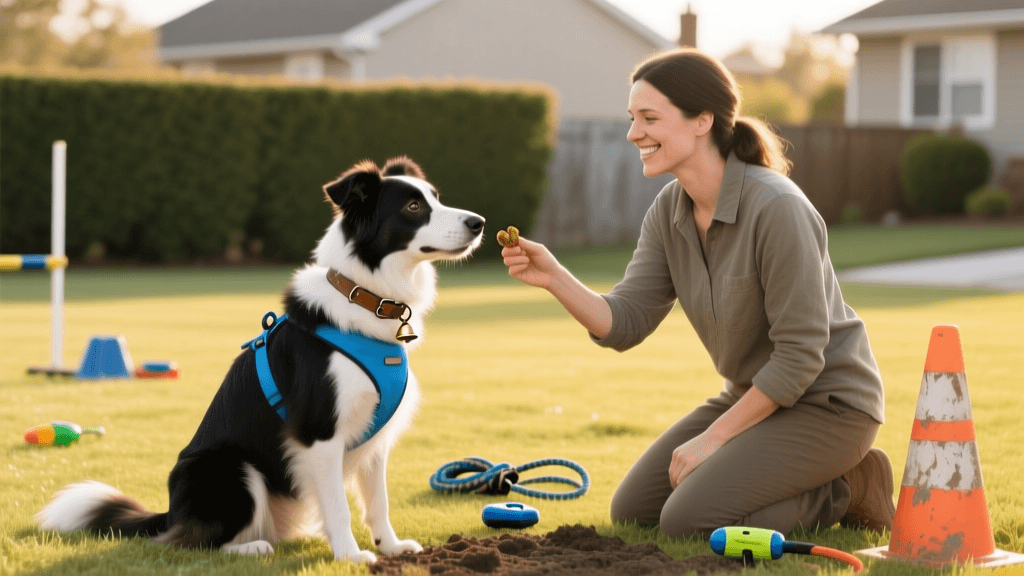
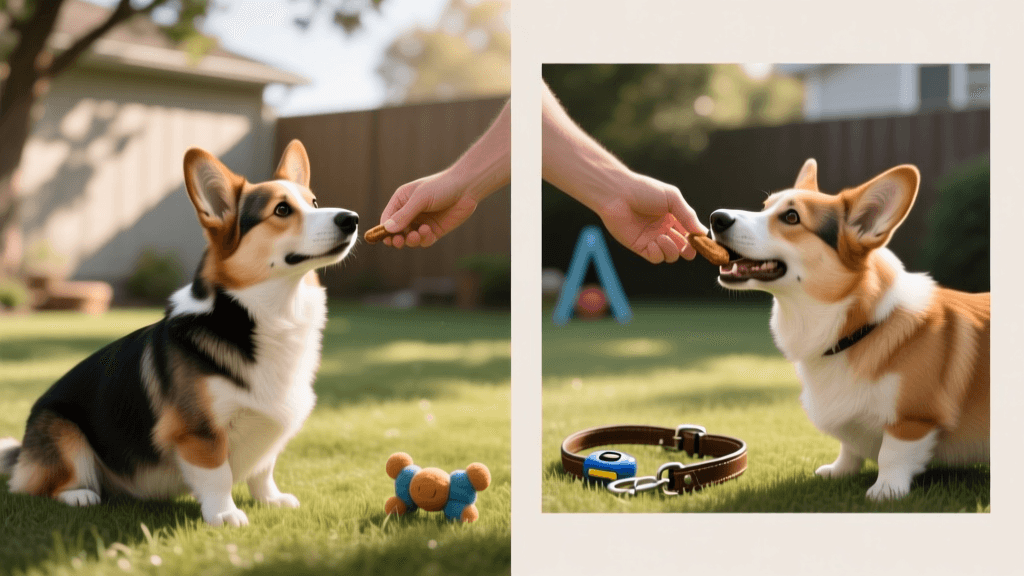
The timing of your reward is critical. Dopamine pathways reinforce the exact behavior that occurred a fraction of a second before the reward was delivered. If you ask your dog to 'sit,' and they sit, but you take three seconds to reach into your treat pouch, you might accidentally reinforce them for standing back up. To bridge this gap, use a marker. A marker is a distinct sound (like a clicker or a verbal 'Yes!') that occurs within 0.5 to 1 second of the desired behavior. The marker tells the dog, 'That exact movement is what earned you the reward,' giving you the extra seconds needed to deliver the treat.
Reward Hierarchy and Caloric Management
A common concern among owners is the caloric intake associated with treat-based training. To prevent obesity while maintaining high motivation, you must establish a reward hierarchy and strictly manage caloric intake. The RSPCA recommends using a portion of your dog's daily kibble allowance for training sessions, reserving high-value treats for difficult tasks or high-distraction environments.
| Reward Type | Best Used For | Caloric Limit | Example Product & Cost |
|---|---|---|---|
| Kibble / Daily Diet | Basic obedience, low-distraction environments, repetitive shaping. | 1-3 calories per piece | Dog's regular kibble (Cost: Included in daily diet) |
| Low-Value Treats | Trick training, indoor recall, mild distractions. | Under 5 calories per piece | Zuke's Mini Naturals (Approx. $6 for 6oz) |
| High-Value Treats | Leash reactivity, outdoor recall, veterinary desensitization. | 10-15 calories per piece (use sparingly) | Freeze-Dried Beef Liver (Approx. $12 for 3oz) |
| Life Rewards | Door manners, leash walking, impulse control. | 0 calories | Access to the yard, sniffing time, or toy play |
Note: Always consult your veterinarian to determine your dog's specific daily caloric requirements based on their weight, age, and activity level. Deduct training calories from their daily meal allowance.
Practical Application: Teaching a Reliable Recall
The 'Recall' (coming when called) is a vital safety command. Here is a science-backed, step-by-step protocol to build a bulletproof recall using positive reinforcement.
Step 1: The Name Game (Indoors, 0 Distractions)
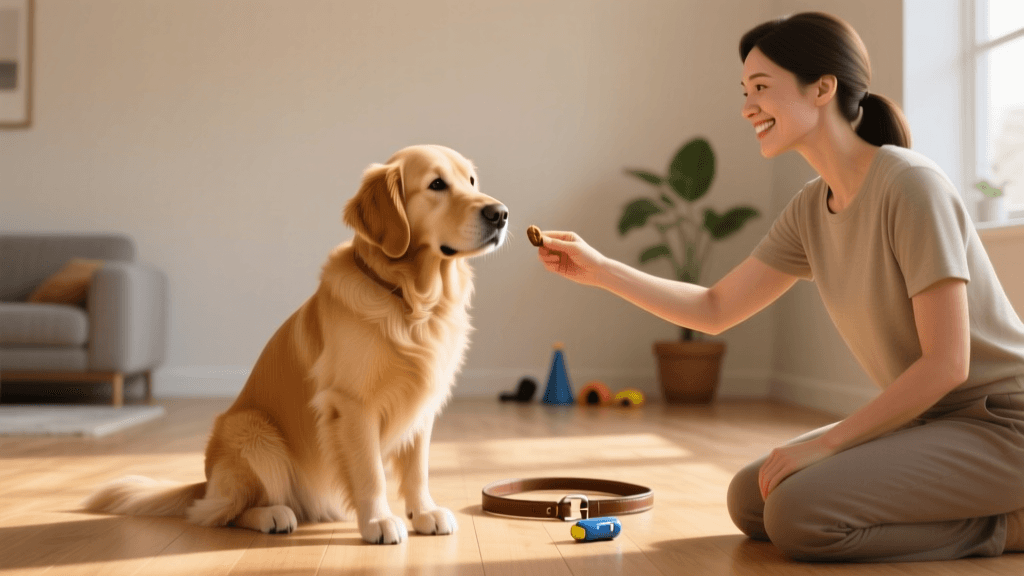
Stand just 2 feet away from your dog. Say their name followed by your recall cue (e.g., 'Fido, Come!'). The moment they take a step toward you, use your marker ('Yes!' or a click) and deliver a high-value treat (e.g., freeze-dried liver) directly to their mouth. Repeat this 10 times in 3-minute sessions.
Step 2: Adding Distance and Duration (Indoors, Mild Distractions)
Increase the distance to 10 feet. Call your dog. As they arrive, feed 3 to 5 small treats in rapid succession (a 'jackpot' reward). This continuous reinforcement schedule creates a stronger dopamine response, making the behavior more resilient to extinction.
Step 3: The Premack Principle (Outdoors, High Distractions)
The Premack Principle states that a high-probability behavior can be used to reinforce a low-probability behavior. Outdoors, sniffing is a high-probability behavior. Ask your dog to come to you (low-probability in a distracting park). When they arrive, mark the behavior, give a treat, and then use the release cue 'Go Sniff!' allowing them to engage in their preferred activity. You are using the environment as a reward.
Recommended Tools for Reward-Based Training
Having the right equipment facilitates clear communication and prevents physical strain on both you and your dog. Avoid aversive tools and invest in science-backed, force-free gear.
- PetSafe Clik-R Trainer ($5 - $8): A compact, ergonomic clicker that provides a consistent, crisp acoustic marker. The consistent sound is processed faster by the canine brain than variable human vocal tones.
- Ruffwear Front Range Harness ($40): A front-clip harness is essential for loose-leash walking. If the dog pulls, the front clip gently redirects their momentum back toward you without causing tracheal damage or triggering the opposition reflex (a biological instinct where dogs pull harder against pressure).
- Kong Classic Dog Toy ($15 - $20): Perfect for classical conditioning and duration training. Stuff it with low-fat Greek yogurt and frozen berries to provide a long-lasting, mentally stimulating reward that keeps dogs occupied during crate training or desensitization exercises.
- Rapid-Release Treat Pouch ($15 - $25): Look for a pouch with a magnetic closure or wide opening (like the Dog Treat Training Pouch by Mighty Paw). Fumbling with zippers ruins the 1-second timing rule required for effective operant conditioning.
Conclusion
The science is unequivocal: reward-based dog training is not just a compassionate choice; it is the most biologically sound, effective, and safe method for modifying canine behavior. By leveraging dopamine pathways, utilizing precise marker timing, and managing reward hierarchies, you can teach your dog complex obedience and life skills while actively reducing their stress levels. Ditch the outdated dominance myths and embrace the evidence-based practices recommended by veterinary behaviorists worldwide. Your dog's brain—and your bond—will thank you for it.
priya-sutaria
All our authors care for dogs every day — read more of their work on the authors page.