Senior Dog Care: Adapting Your Home and Daily Routine
Discover practical tips for senior dog care. Learn how to adapt your home, adjust daily routines, and manage costs to keep your aging dog comfortable.
Understanding the Senior Life Stage
Sharing your life with a dog is a profound journey, but one of the most significant transitions occurs when your vibrant companion enters their senior years. The 'Life with Your Dog' category isn't just about puppy training or active adult adventures; it is deeply rooted in providing compassionate, adaptive care as your dog ages. Recognizing the subtle shifts in your dog's mobility, cognition, and daily needs is the first step toward ensuring their golden years are truly golden.
But when exactly does a dog become a senior? The timeline varies drastically based on breed and size. According to the American Kennel Club (AKC), small breeds like Chihuahuas or Pomeranians may not show signs of aging until they are 10 to 12 years old. In contrast, giant breeds such as Great Danes or Saint Bernards can enter their senior life stage as early as 5 to 6 years of age. Medium and large breeds typically fall somewhere in between, usually crossing the senior threshold around 7 to 8 years. Understanding your dog's specific biological clock is crucial for preemptive care.
Essential Home Modifications for Aging Joints
As dogs age, conditions like osteoarthritis, hip dysplasia, and general muscle atrophy become increasingly common. Adapting your home environment is one of the most impactful ways to maintain your senior dog's independence and comfort. Here are practical, actionable modifications you can implement today:
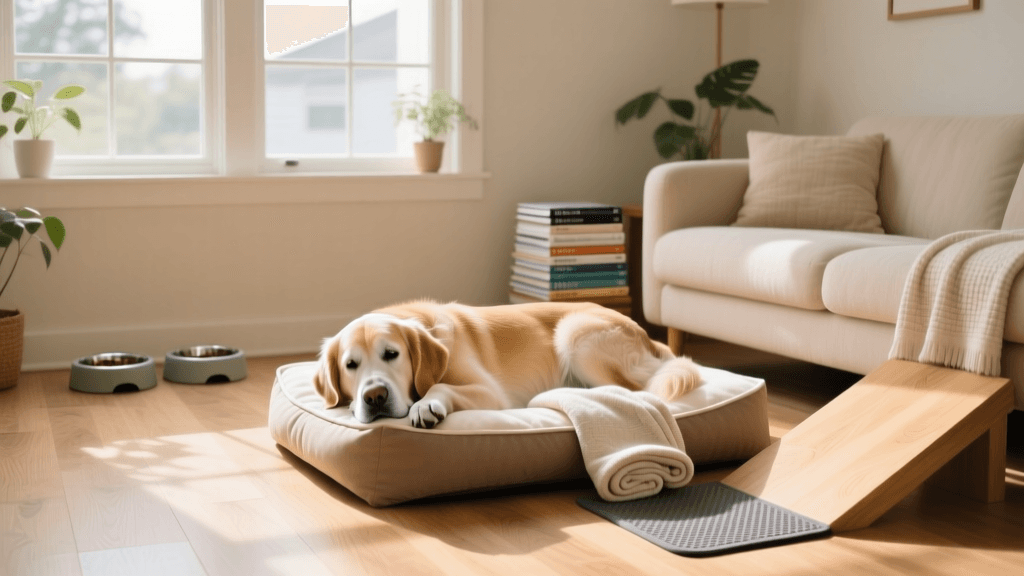
- Orthopedic Bedding: Standard dog beds often flatten out, offering little support for aging joints. Invest in a high-quality orthopedic bed featuring at least 4 inches of high-density memory foam. Brands like Big Barker or FurHaven offer beds with bolstered edges that provide neck support and a sense of security. Expect to spend between $120 and $350, but the investment in joint health is invaluable.
- Pet Ramps and Stairs: Jumping on and off furniture or into vehicles can cause micro-traumas to senior joints. For couches and beds, use foam pet stairs with a gentle incline. For vehicles, opt for a folding pet ramp. The ideal ramp gradient for a dog with arthritis should not exceed an 18-to-20-degree incline. Look for ramps with high-traction surfaces, such as the PetSafe Happy Ride series, which typically cost between $40 and $80.
- Floor Traction Solutions: Hardwood and tile floors are notoriously slippery for older dogs with weakened hindquarters. Instead of covering your entire home in carpet, use interlocking EVA foam tiles (often used in home gyms or playrooms) or strategically place non-slip rug runners with rubber backing in high-traffic areas and near your dog's bed.
- Strategic Lighting: Aging dogs often experience vision decline or canine cognitive dysfunction (CCD), which can lead to nighttime anxiety. Install motion-sensor LED night lights along the hallway and near the door you use for late-night potty breaks to help them navigate safely.
Adjusting Daily Routines and Exercise
While your senior dog may no longer be able to accompany you on a 5-mile run, their need for physical and mental stimulation remains. The key is to shift the focus from physical endurance to mental enrichment and low-impact movement.
Replace long, continuous walks with shorter, more frequent outings. Two or three 15-minute walks spread throughout the day are much easier on aging joints than a single 45-minute trek. Pay close attention to the weather; senior dogs have a harder time regulating their body temperature, making them more susceptible to heatstroke and hypothermia. During extreme weather, utilize indoor enrichment games.
Embrace the concept of the 'Sniffari.' A dog's olfactory system is incredibly powerful, and sniffing burns a significant amount of mental energy. Allowing your dog to spend 20 minutes slowly sniffing a single bush or patch of grass on a leisurely stroll can be as tiring and satisfying for them as a vigorous game of fetch. For dogs with severe mobility issues, scent work can be adapted indoors by hiding strong-smelling treats in a snuffle mat or around the living room.
Dietary Shifts and Joint Supplements
Metabolism naturally slows down as dogs age, making them prone to weight gain even if their food intake remains the same. Excess weight places devastating stress on arthritic joints. Transitioning to a senior-specific dog food formula is often recommended, as these diets typically feature fewer calories, higher fiber for satiety, and targeted nutrient profiles.
Discuss joint supplements with your veterinarian. Ingredients like Glucosamine, Chondroitin, and MSM (Methylsulfonylmethane) are staples for joint health. Additionally, Omega-3 fatty acids (specifically EPA and DHA found in wild-caught salmon oil or green-lipped mussel powder) have been scientifically proven to reduce joint inflammation. Always introduce supplements gradually to avoid gastrointestinal upset, and ensure any fish oil you purchase is formulated specifically for pets to avoid dangerous vitamin D toxicity associated with human supplements.
Financial Planning: Senior Dog Care Cost Breakdown
Caring for a senior dog often requires a shift in your pet care budget. Preventative care, specialized gear, and potential medical interventions can add up. Below is a structured breakdown of common senior dog care expenses to help you plan financially.
| Care Category | Specific Item or Service | Estimated Cost (USD) | Frequency / Notes |
|---|---|---|---|
| Bedding & Comfort | Orthopedic Memory Foam Bed | $120 - $350 | Replace every 2-3 years or if foam degrades |
| Mobility Aids | Bi-fold or Telescoping Pet Ramp | $45 - $90 | One-time purchase; check weight limits |
| Home Safety | Non-slip Rug Runners / Foam Mats | $50 - $150 | One-time purchase; wash regularly |
| Supplements | Omega-3 Fish Oil & Glucosamine | $25 - $60 | Monthly recurring cost |
| Preventative Vet Care | Senior Blood Panel & Urinalysis | $150 - $300 | Bi-annually (every 6 months) |
| Pain Management | NSAIDs or Joint Injections (e.g., Adequan) | $50 - $150+ | Monthly or as prescribed by your vet |
Setting aside a dedicated 'senior care fund' or investing in a comprehensive pet insurance policy before pre-existing conditions arise can save you thousands of dollars and prevent emotional decision-making during a medical crisis.
Veterinary Preventative Care and Cognitive Health
The American Veterinary Medical Association (AVMA) strongly emphasizes that senior pets should be seen by a veterinarian at least twice a year. Because dogs age much faster than humans, a six-month gap between visits is equivalent to several years in human terms. A lot can change in that timeframe.
During these visits, request a comprehensive senior blood panel and a urinalysis. These tests establish a baseline for your dog's organ function (liver, kidneys, thyroid) and can detect diseases like chronic kidney disease or hypothyroidism long before clinical symptoms appear. Early detection is the cornerstone of extending your dog's lifespan and maintaining their quality of life.
Furthermore, be vigilant about Canine Cognitive Dysfunction (CCD), the canine equivalent of Alzheimer's disease. Symptoms include disorientation, changes in sleep-wake cycles (such as pacing at night), house soiling in previously trained dogs, and altered interactions with family members. The American Animal Hospital Association (AAHA) senior care guidelines highlight the importance of cognitive assessments during routine exams. If you notice your dog staring blankly at walls, getting stuck in corners, or forgetting learned commands, document these behaviors and discuss them with your vet. Prescription diets rich in antioxidants and specific medications like Selegiline can significantly slow the progression of CCD.
Embracing the Golden Years
Adapting to your dog's senior life stage requires patience, observation, and a willingness to change long-standing routines. While it can be emotionally challenging to watch your once-boundless companion slow down, there is a profound beauty in the quiet, gentle bond you share during these later years. By making thoughtful home modifications, adjusting their exercise and diet, and staying proactive with veterinary care, you are repaying a lifetime of unconditional love with the comfort, dignity, and joy they truly deserve.
hannah-wickes
All our authors care for dogs every day — read more of their work on the authors page.