Tellington TTouch Ear Work for Dog Anxiety & Bonding 2026
Discover how Tellington TTouch ear work reduces canine anxiety and deepens your bond. Learn step-by-step techniques and calming signals for 2026.
The Evolution of Canine Bonding and Holistic Wellness in 2026
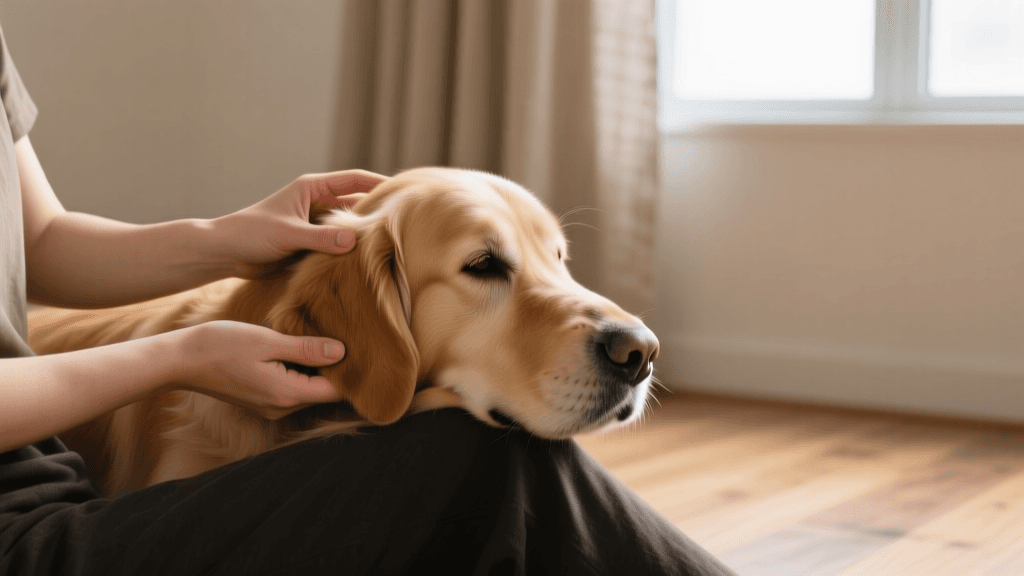
As we navigate 2026, the landscape of canine health and wellbeing has shifted dramatically toward holistic, nervous-system-based approaches. Dog owners and veterinary behaviorists alike are moving beyond basic obedience training to focus on deep, somatic bonding techniques that address the root causes of canine anxiety. Among the most effective and scientifically supported methods for building trust with rescue dogs, reactive dogs, or simply aging companions is Tellington TTouch (TTouch). Specifically, TTouch Ear Work has emerged as a cornerstone practice for activating the parasympathetic nervous system, reducing stress, and forging an unbreakable bond between human and hound.
Unlike traditional petting, which can sometimes overstimulate an anxious dog, TTouch utilizes specific, mindful movements to communicate safety directly to the brain. This article provides a comprehensive, actionable guide to mastering TTouch Ear Work, decoding your dog's subtle calming signals, and integrating these techniques into your daily 2026 wellness routine.
The Neurobiology of the Canine Ear
To understand why ear work is so profoundly effective for bonding and anxiety reduction, we must look at canine anatomy. The canine ear is densely packed with nerve endings, including branches of the vagus nerve and the trigeminal nerve. The vagus nerve is the primary component of the parasympathetic nervous system, which governs the "rest and digest" response. When you apply gentle, specific pressure to the auricular (ear) region, you stimulate these nerve pathways, sending immediate signals to the brain to lower the heart rate, reduce cortisol levels, and promote the release of oxytocin.
Oxytocin, often called the "bonding hormone," is released in both the dog and the human during this mutual tactile exchange. According to current animal health and welfare guidelines, practices that naturally stimulate oxytocin production are critical for rehabilitating dogs with a history of trauma or chronic stress. By engaging in Ear Work, you are not just petting your dog; you are actively bio-hacking their nervous system to associate your touch with profound physiological safety.
Preparing Your Environment for Somatic Bonding
Before initiating Ear Work, setting the right environmental context is crucial for success. Anxious dogs are highly sensitive to their surroundings, and a chaotic environment will override the calming effects of the touch.
- Lighting and Sound: Dim the lights and minimize sudden noises. In 2026, many owners use bio-acoustic music designed specifically for canine heart rate entrainment to create a baseline of calm.
- Positioning: Sit on the floor or a low, comfortable chair. Allow the dog to choose their proximity. Never restrain or corner a dog for bodywork; consent-based handling is a core tenet of modern behavioral health.
- Your Own State: Dogs are masters of reading human biometrics. Take three deep, slow breaths before reaching out. If your heart rate is elevated, your dog will sense it and remain on high alert.
Step-by-Step TTouch Ear Techniques
The following techniques should be performed with the "pressure of a nickel"—a very light, intentional touch. The goal is to move the skin over the underlying tissue, not to rub or massage the surface.
1. The Ear Slide
The Ear Slide is the foundational movement for introducing your dog to ear work. It helps to elongate the ear and gently stretch the fascial connections at the base of the skull.
- Execution: Cradle the base of the ear in one hand to support it. With the thumb and index finger of your other hand, gently grasp the ear flap near the base.
- Movement: Slowly slide your fingers down the length of the ear to the tip. Imagine you are smoothing out a piece of delicate silk.
- Timing: Perform 5 to 10 slow slides on each ear. Pause for a few seconds between repetitions to allow the nervous system to process the input.
2. Ear Circles (Clouded Leopard)
This technique involves making small, deliberate circles with your fingers to mobilize the tissue and stimulate the acupuncture points located along the ear flap.
- Execution: Place your thumb on one side of the ear flap and your index finger on the other. Apply the "pressure of a nickel."
- Movement: Move the skin in a slow, clockwise circle (one and a quarter circles). Lift your fingers, move a half-inch up the ear, and repeat. Work your way from the base to the tip.
- Focus: Pay special attention to the base of the ear, where it meets the head. This area holds significant tension in dogs carrying emotional stress.
3. The Tarantula Pull
This technique is excellent for dogs who are highly sensitive to direct touch on the ear flap itself. It focuses on the connective tissue at the base of the ear.
- Execution: Place your fingers in a "spider" shape at the base of the ear where it meets the skull.
- Movement: Gently pull the skin upward and outward in a slow, stretching motion, holding for a second before releasing. Move around the entire base of the ear.
- Benefit: This releases tension in the temporomandibular joint (TMJ) and the neck, areas where reactive dogs often hold physical bracing.
Decoding Canine Calming Signals During Bodywork
Effective bonding requires two-way communication. As you perform Ear Work, your dog will communicate their state of mind through subtle body language. Understanding these "calming signals" is essential for recognizing when the parasympathetic shift is occurring, or when you need to adjust your approach. The ASPCA's dog behavior resources emphasize that recognizing these micro-expressions is key to preventing behavioral escalation.
| Calming Signal | What It Means | Your Action |
|---|---|---|
| Deep, shuddering sigh | The nervous system is down-regulating; tension is releasing. | Continue the current technique; maintain your slow breathing. |
| Slow blinking / Soft eyes | The dog feels safe and is processing the relaxing input. | Softly blink back; move to a different part of the ear. |
| Rapid lip licking | A sign of mild stress or neurological processing overload. | Stop moving your hands; keep them resting gently on the dog until they settle. |
| Frequent yawning | Can indicate sleepiness, but also a self-soothing mechanism for anxiety. | Reduce the pressure of your touch; switch to the Ear Slide for a gentler approach. |
| Whale eye (showing whites of eyes) | The dog is uncomfortable and asking for space. | Immediately stop the bodywork. Offer a high-value treat and give them space. |
Integrating Ear Work into Your 2026 Wellness Routine
To maximize the bonding and health benefits of TTouch Ear Work, consistency is more important than duration. A daily five-minute session is vastly superior to a single hour-long session once a month. Here is how to seamlessly integrate this practice into your modern canine care routine:
Post-Walk Decompression
After a stimulating walk or a trip to the dog park, your dog's sympathetic nervous system (fight or flight) is highly active. Performing three minutes of Ear Slides immediately upon returning home helps transition their brain into a restorative state, improving sleep quality and digestion.
Pre-Vet Visit Preparation
Veterinary visits are a primary source of anxiety for many dogs. In the days leading up to an appointment, incorporate Ear Circles into your daily bonding time. This builds a positive association with your touch, creating a "somatic anchor" that you can use in the waiting room to keep your dog grounded.
Tracking Progress with Modern Metrics
Many dog owners in 2026 utilize canine wearable technology to track Heart Rate Variability (HRV). HRV is a key indicator of autonomic nervous system balance. By checking your dog's HRV data before and after a week of consistent TTouch Ear Work, you can objectively measure the reduction in chronic stress and the improvement in their overall physiological resilience.
Safety and Contraindications
While TTouch is incredibly safe, there are specific situations where ear work should be avoided or modified. Never perform Ear Work if your dog has an active ear infection, ear mites, a hematoma, or has recently undergone ear surgery. In these cases, the pain associated with the condition will override any calming benefits, and touching the area will only damage the trust you are trying to build. If your dog exhibits signs of pain, such as pulling away sharply, vocalizing, or snapping, cease the activity immediately and consult your veterinarian.
Conclusion: The Power of Intentional Touch
The bond between a human and a dog is not merely a byproduct of shared living space; it is a complex, biologically driven relationship that requires nurturing. Tellington TTouch Ear Work offers a profound, science-backed method for communicating safety, reducing anxiety, and deepening your connection. By understanding the neurobiology of the canine ear, mastering gentle techniques like the Ear Slide and Ear Circles, and respecting your dog's calming signals, you transform everyday touch into a powerful therapeutic tool. As you incorporate these mindful practices into your 2026 routine, you will likely find that the anxiety melts away, leaving behind a confident, deeply bonded companion who looks to you as their ultimate source of security.
priya-sutaria
All our authors care for dogs every day — read more of their work on the authors page.