How to Teach Your Dog to Talk Using Viral Sound Buttons
Discover how to teach your dog to talk using viral sound buttons. Learn step-by-step AAC training, best button kits, and expert tips for success.

The Viral Phenomenon of Canine AAC Training
If you have spent any time scrolling through TikTok or Instagram Reels over the past few years, you have undoubtedly encountered the viral sensation of talking dogs. Canines like Bunny the Sheepadoodle and Billi the Cat have amassed millions of followers by using sound buttons to communicate complex thoughts, ask for specific activities, and even express emotions. But this is not just a clever internet trick; it is rooted in a behavioral science concept known as Augmentative and Alternative Communication (AAC). While AAC has been used for decades to help non-verbal humans communicate, its application in canine training is a groundbreaking and highly rewarding trend. At Paws-Tales, we believe in leveraging the best modern training techniques to deepen the bond between you and your furry best friend. In this comprehensive guide, we will break down the science behind dog button training, compare the best products on the market, and provide a meticulous, step-by-step protocol to teach your dog their very first word.
The Science Behind the Viral Trend
Before investing in a sound button kit, it is essential to understand the cognitive science that makes this training possible. Dogs are exceptional observers of human behavior and possess a remarkable ability to associate specific actions with predictable outcomes. According to the TheyCanTalk research initiative led by cognitive scientists at UC San Diego, animals are capable of much more complex communication than previously believed. The study explores how dogs and cats use AAC boards to combine words, ask questions, and express temporal concepts like past and future events. When a dog presses a button that says Outside and is immediately rewarded with a trip to the yard, they are engaging in operant conditioning. They learn that the physical action of pressing the button triggers a specific environmental change. The ASPCA dog training resources emphasize that positive reinforcement is the most effective way to build these associations, ensuring the dog feels empowered rather than forced into the behavior.
Choosing the Right Sound Button Kit
The market is currently flooded with recordable sound buttons, but not all kits are created equal. For successful AAC training, consistency in sound quality, button placement, and durability is paramount. Below is a comparison of the most popular options available to dog owners today.
| Brand / Type | Estimated Cost | Mat System | Sound Quality | Best For |
|---|---|---|---|---|
| FluentPet Starter Kit | $30 - $50 | Hexagonal, interlocking, non-slip | Clear, consistent, adjustable volume | Serious AAC training, spatial mapping |
| Hunger for Words | $25 - $40 | Velcro floor mats included | Loud, distinct, slightly metallic | Dogs who press lightly, indoor use |
| Generic Amazon Buttons | $10 - $15 | None (requires DIY setup) | Variable, often muffled or distorted | Budget testing, single-button tricks |
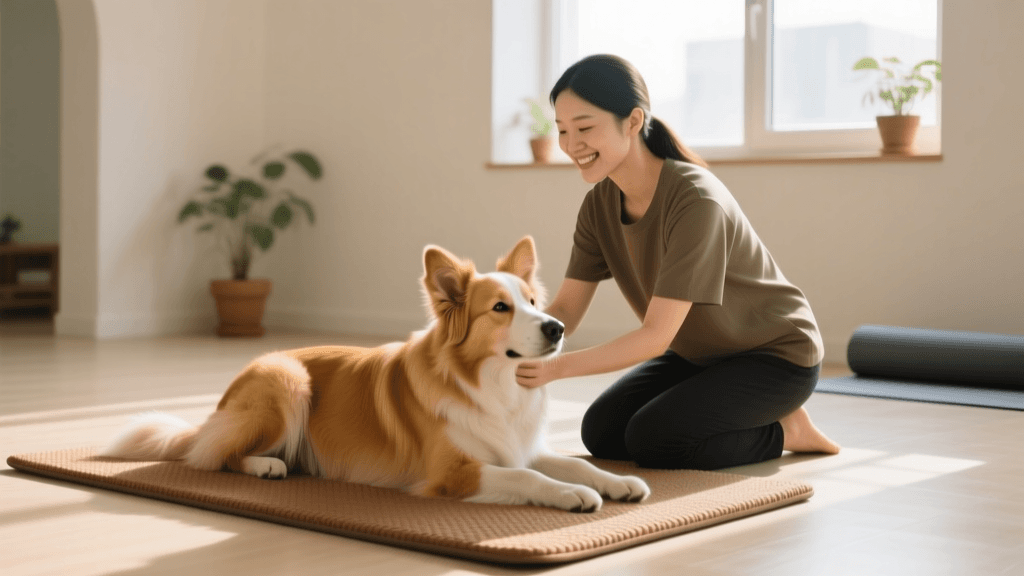
For optimal results, we highly recommend investing in a system that includes a structured mat, such as FluentPet. The hexagonal mats allow you to build a structured vocabulary board, keeping buttons exactly 2 to 3 inches apart. This spatial consistency helps your dog build a cognitive map of their vocabulary, making it easier to learn new words without accidentally stepping on the wrong button.
Step-by-Step Guide to Teaching the Outside Button
The most universally successful first button to teach is Outside. It is highly motivating, easily predictable, and provides an immediate, tangible reward. Follow this exact protocol to ensure success.
Step 1: Setup and Placement
Record your voice saying the word Outside in a clear, upbeat, and consistent tone. Keep the recording to exactly one second. Place the button on a non-slip mat in a high-traffic area near the door you use for potty breaks. Do not place it directly in the corner where your dog might feel trapped; give them at least two feet of clearance behind the button so they can approach and retreat comfortably.
Step 2: Modeling the Behavior
Dogs learn primarily through observation and mimicry. Every single time you take your dog outside, you must model the behavior. Walk up to the button, point to it, and press it yourself. Wait exactly 0.5 seconds, then immediately open the door and enthusiastically invite your dog outside. Do this for every potty break, walk, and play session in the yard for at least two weeks. You are building a neurological bridge between the sound, the physical button, and the open door.
Step 3: Capturing and Rewarding
Eventually, your dog will investigate the button out of curiosity or frustration that the door is not opening. The moment their paw or nose makes contact with the button and the sound plays, you must react instantly. Throw open the door, use a high-value marker word like Yes!, and reward them with access to the outdoors. According to the American Kennel Club training hub, timing is the most critical element of operant conditioning. If you delay opening the door by even five seconds, the dog may fail to associate the button press with the reward. Keep high-value treats, such as freeze-dried liver or small pieces of boiled chicken, near the door to pair the outdoor access with a primary food reward during the initial learning phase.
Expanding Your Dog's Vocabulary
Once your dog is reliably pressing the Outside button without prompting, you can begin introducing new concepts. It is crucial to introduce only one new button at a time to avoid cognitive overload. Excellent second and third buttons include:
- Play: Press this button before initiating a game of tug-of-war or fetch. Keep the play session to exactly 3 minutes to maintain high motivation.
- Water: Place this near their water bowl or a designated outdoor sprinkler. Use it to teach them to ask for hydration or cooling off on hot days.
- All Done: This is a vital boundary-setting button. Press it when a play session ends or when you are finished giving treats. It helps dogs process transitions and reduces anxiety related to sudden changes in activity.
When adding a new button, place it at least 4 inches away from the established buttons. Once the new word is learned, you can move it closer to build a cohesive sentence board.
Troubleshooting Common Button Training Issues
Even with perfect technique, you may encounter behavioral roadblocks. Here is how to troubleshoot the most common issues viral dog trainers face.
The Button Spamming Problem
If your dog presses the Outside button fifty times in a row, they have learned that the button is a demand rather than a request. To fix this, implement a variable ratio reinforcement schedule. If they press the button and you cannot take them outside, acknowledge the press by saying, I hear you, but wait a few minutes before fulfilling the request, or redirect them to a different activity. You are the gatekeeper; the button does not override your household rules.
Fear of the Sound
Some sensitive dogs are startled by the sudden electronic noise of the button. If your dog flinches or runs away, lower the volume if your device allows it. Alternatively, record the word in a softer, whispering tone. You can also desensitize them by placing the button near their food bowl and pressing it gently while they are eating, pairing the sound with a highly positive, low-stress experience.
Ignoring the Buttons Entirely
If your dog ignores the board after a month of modeling, the reward value may be too low. Ensure that the outcome of the button press is something your dog genuinely desires. If they do not care about playing fetch, the Play button will hold no value. Switch to highly motivating rewards like a car ride or a specific high-value chew toy.
Patience and consistency are the cornerstones of any successful behavioral conditioning program. Remember that AAC is a marathon, not a sprint. Celebrate the small victories, and never punish your dog for ignoring or misusing the buttons.
Teaching your dog to use sound buttons is one of the most engaging and mentally stimulating trends in modern dog ownership. It provides profound cognitive enrichment, reduces frustration, and offers a fascinating glimpse into your dog's inner world. By selecting the right equipment, adhering to strict modeling protocols, and maintaining a positive, reward-based environment, you can transform your dog into the next viral communication superstar right in your own living room.
tom-renshaw
All our authors care for dogs every day — read more of their work on the authors page.