Senior Dog Training: Adapting Techniques for Aging Canines
Adapt obedience training for senior dogs with our life-stage guide. Discover joint-friendly tools, cognitive exercises, and age-appropriate techniques.
Why Train a Senior Dog?
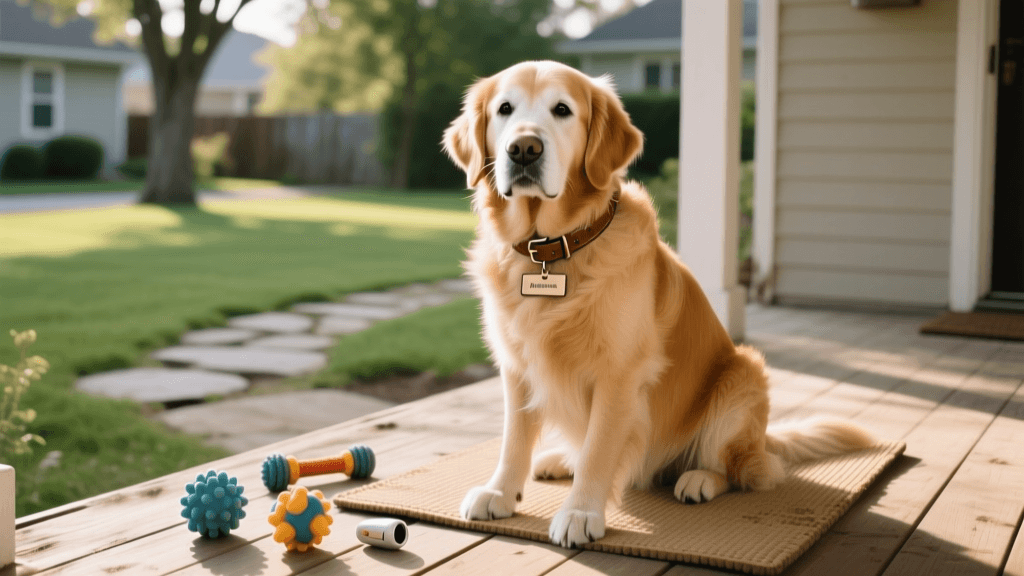
Many dog owners mistakenly believe that training is exclusively for puppies or young, energetic adults. However, as part of a comprehensive life stage care guide, training your senior dog is not only possible but highly recommended. According to the American Kennel Club (AKC), senior dogs benefit immensely from continued mental stimulation and gentle physical activity. Training helps stave off cognitive decline, reinforces your bond, and ensures your aging companion remains safe and responsive in their golden years. The goal shifts from high-energy obedience to comfort, safety, and cognitive maintenance.
Veterinary Clearance and Pain Management
Before initiating any new training regimen with a dog over the age of seven, a thorough veterinary examination is mandatory. Aging canines are prone to osteoarthritis, hip dysplasia, and dental disease, all of which can make traditional training painful and frustrating. A senior wellness exam, including comprehensive bloodwork and joint radiographs (typically costing between $150 and $300), will establish your dog's physical baseline.
If your veterinarian diagnoses joint pain, they may prescribe NSAIDs like Carprofen or Gabapentin for nerve pain. Additionally, incorporating joint supplements containing Glucosamine, Chondroitin, and Omega-3 fatty acids can improve mobility over time. Never attempt to force a senior dog into a physical position if they are resisting; what looks like stubbornness is often hidden pain. Adjust your expectations and prioritize your dog's comfort above all else.
Physical Considerations and Environmental Adjustments
Aging brings physical changes such as diminished hearing, fading eyesight, and reduced muscle mass. To set your senior dog up for success, you must adapt your training environment. Avoid repetitive high-impact movements and slippery surfaces. Hardwood and tile floors can cause splaying and hip injuries. Invest in an orthopedic memory foam mat (ideally 48x30 inches, costing approximately $60) or lay down interlocking foam puzzle mats to provide a cushioned, non-slip training surface.
Furthermore, eliminate the need for jumping. Instead of asking your dog to jump into the car or onto the couch for a training reward, use a ramp like the PetSafe CozyUp Folding Pet Ramp (retailing around $45). This protects their spine and joints while allowing you to continue rewarding them with access to elevated spaces. When walking, swap out standard flat collars that put pressure on the trachea for a supportive harness like the Ruffwear Web Master Multi-Support Harness ($79.95), which features a padded chest and a sturdy top handle to help lift your dog over obstacles safely.
Cognitive Conditioning for Aging Brains
Canine Cognitive Dysfunction (CCD) is a progressive condition similar to Alzheimer's disease in humans. The ASPCA notes that mental enrichment can slow the progression of CCD symptoms and improve quality of life. Scent work and puzzle-solving are outstanding, low-impact training exercises for seniors. Because a dog's olfactory system remains robust even as their vision fails, teaching them to "find it" engages their brain without taxing their body.
Game 1: The Snuffle Mat Search
- Purchase a high-quality snuffle mat ($25-$35) or create one using fleece strips tied to a rubber sink mat.
- Use strong-smelling, soft treats like Zuke's Mini Naturals ($8 per bag) or boiled chicken breast cut into 1/4-inch cubes.
- Start with the treats partially visible, using the verbal cue "Find it" or a specific hand signal if your dog's hearing is impaired.
- Gradually increase the difficulty by burying the treats deeper into the fleece.
- Keep sessions to 5 minutes to prevent mental fatigue and frustration.
Game 2: The Senior Shell Game
Place three opaque plastic cups upside down on your non-slip mat. Let your dog watch you place a smelly treat under one cup. Shuffle the cups slowly, then encourage your dog to target the correct cup with their nose or paw. This builds focus and working memory, directly combating the disorientation associated with cognitive decline.
"Mental exercise tires a dog out just as much as physical exercise. For a senior dog with arthritis, a 10-minute sniffing session can be as enriching and exhausting as a 30-minute walk, making it a vital tool for life stage care."
Adapting Core Commands for Limited Mobility
You may need to redefine what "obedience" looks like for your senior dog. The goal is communication and safety, not perfect conformation. Below is a comparison chart detailing how to adapt traditional commands for aging canines.
| Traditional Command | Senior-Adapted Alternative | Why the Change? |
|---|---|---|
| Sit (Hips to floor) | Stand-Stay or Settle on a Mat | Arthritis makes lowering hips painful; standing or lying on a soft mat is more comfortable. |
| Down (Full drop) | Sphinx Down or Chin Target | Getting back up from a full down is difficult; a partial down or targeting a chin rest is easier. |
| Recall (Fast sprint) | Emergency Stop or Slow Recall | Sudden stops or sprinting can tear ligaments; a steady, paced recall is safer. |
| Heel (Strict left side) | Loose Leash Walking | Strict heeling requires sharp turns and focus that may be difficult with fading senses. |
Addressing Senior Behavioral Regression
It is common for senior dogs to experience behavioral regression, including house soiling and separation anxiety. According to the Cornell University College of Veterinary Medicine, these issues often stem from cognitive decline or weakened sphincter muscles rather than deliberate disobedience. Revert to a puppy-style potty training schedule, taking your dog out every 4 hours and rewarding heavily with soft treats for outdoor elimination.
For indoor accidents, use washable dog diapers or belly bands (approximately $30 for a pack of 3) to manage the environment without punishment. If your dog develops senior separation anxiety, practice gradual desensitization. Use a calming pheromone diffuser like Adaptil ($25 for a starter kit) in their safe space, and practice "stay" commands with very short durations and minimal distance, slowly building their confidence that you will always return.
Creating a Senior Training Schedule
A senior dog's attention span and physical stamina are reduced, meaning marathon training sessions are counterproductive and potentially harmful. Consistency and brevity are your best allies.
Ideal Daily Schedule
- Morning (8:00 AM): 5-minute scent work game before breakfast using a snuffle mat to stimulate the brain.
- Mid-Day (1:00 PM): 10-minute gentle walk incorporating 2-3 reps of "touch" (hand targeting) and "wait" at doorways to maintain impulse control.
- Evening (6:00 PM): 5-minute puzzle toy session using a KONG Senior (made with a softer, purple rubber, $18) stuffed with peanut butter and frozen to promote calmness before bed.
By adapting your training methods to suit your dog's specific life stage, you ensure their twilight years are filled with confidence, comfort, and continued connection. Remember, patience, empathy, and a willingness to adapt are your most valuable training tools when working with a senior dog.
aaron-whyte
All our authors care for dogs every day — read more of their work on the authors page.