Step-by-Step Muzzle Training Guide for Stress-Free Vet Visits
Learn how to train your dog to love wearing a basket muzzle. Our step-by-step guide ensures stress-free vet visits, grooming, and better overall wellbeing.
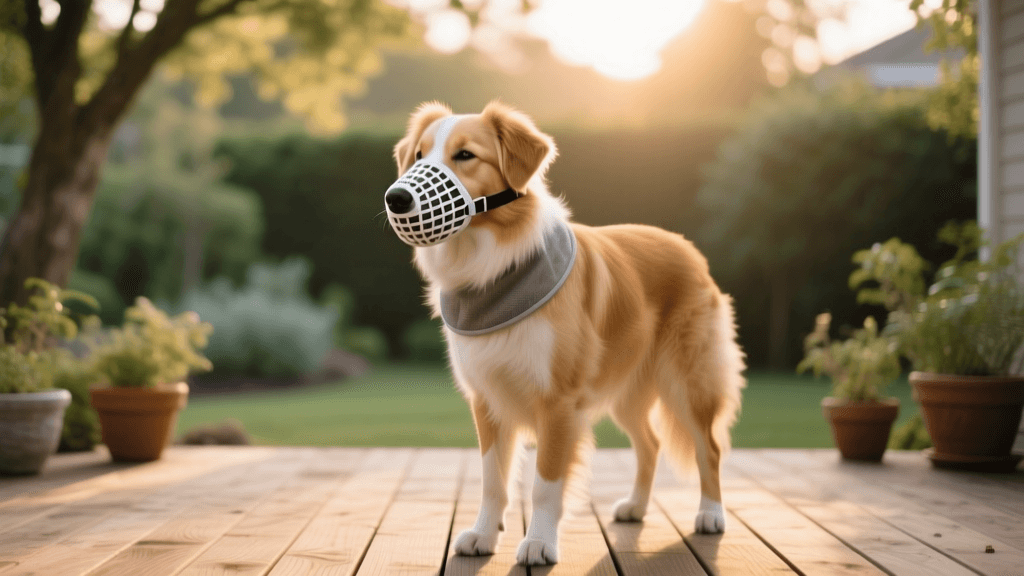
Why Muzzle Training is a Health and Wellbeing Necessity
When most pet owners hear the word 'muzzle,' they immediately associate it with aggression or behavioral issues. However, as a core component of canine health and wellbeing, muzzle training is actually about safety, stress reduction, and proactive veterinary care. Dogs experience the world primarily through scent and taste, and when they are in pain, fearful, or overwhelmed at the veterinary clinic, their natural instinct may be to bite. By proactively conditioning your dog to love wearing a muzzle, you are giving them a 'superpower' that allows veterinary professionals to provide life-saving care without the need for heavy sedation or physical restraint.
According to the Fear Free Pets initiative, reducing fear, anxiety, and stress (FAS) in veterinary environments is critical for accurate medical assessments and long-term wellbeing. A muzzle-trained dog can safely receive vaccinations, undergo dental cleanings, and be handled during emergencies, transforming potentially traumatic veterinary visits into manageable, low-stress events.
Choosing the Right Muzzle: Basket vs. Soft
Before beginning your step-by-step training, you must select the correct equipment. For health and safety reasons, you should never use a soft cloth or mesh muzzle for training or extended wear. Soft muzzles prevent a dog from panting, which is their primary method of thermoregulation. Instead, you need a properly fitted basket muzzle.
| Feature | Basket Muzzle (e.g., Baskerville Ultra) | Soft/Cloth Muzzle |
|---|---|---|
| Panting & Breathing | Allows full panting and heat dissipation | Restricts panting (overheating risk) |
| Treat Delivery | Large gaps allow for high-value treats | No access for treats or water |
| Water Drinking | Dog can drink water freely | Dog cannot drink water |
| Primary Use Case | Training, vet visits, grooming, walking | Very brief emergency restraint only |
| Average Cost | $20 - $35 | $10 - $15 |
Product Recommendation: The Baskerville Ultra Muzzle ($25-$35) is highly recommended by veterinary behaviorists because it is made of durable thermoplastic rubber that can be boiled and molded to your dog's specific snout shape. Another excellent option is the Jafco Clear Vinyl Muzzle ($15-$25), which is widely used in veterinary hospitals because its clear material allows staff to monitor the dog's panting and lip-licking stress signals.
Preparation: Gathering Your Training Supplies
Successful muzzle conditioning relies on counter-conditioning—changing your dog's emotional response to the muzzle from neutral or fearful to highly positive. Gather the following supplies before starting:
- Properly Fitted Basket Muzzle: Sized to allow full panting.
- High-Value Treats: Boiled chicken breast, hot dogs, or cheese cubes. Dry kibble will not work for this phase.
- Squeeze Treats: Kong Easy Treat ($8) or squeeze cheese in a tube. This is crucial for encouraging the dog to push their nose deep into the muzzle.
- Clicker or Marker Word: A standard box clicker ($5) or a consistent verbal marker like 'Yes!'.
- Quiet Environment: Start in a distraction-free room like a living room or bedroom.
Step 1: Desensitization and Counter-Conditioning (Days 1-5)
The goal of Phase 1 is to make the muzzle a predictor of incredible things. Do not attempt to put the muzzle on your dog during this phase.
- The Muzzle Bowl: Place the muzzle on the floor and drop a handful of high-value treats inside it. Let your dog eat the treats out of the basket. If they are hesitant, toss treats near the muzzle, gradually dropping them closer to the opening.
- Hand Feeding: Hold the muzzle in one hand and feed treats through the front opening with the other. Your dog should learn that putting their face near the muzzle yields rewards.
- Timing: Keep sessions incredibly short—just 3 to 5 minutes, twice a day. End on a positive note before your dog loses interest.
Step 2: Nose Targeting and Voluntary Insertion (Days 6-10)
Now, we want the dog to voluntarily push their nose into the muzzle without you forcing it. Forcing a muzzle onto a struggling dog will destroy trust and increase veterinary anxiety.
- Squeeze Cheese Trick: Smear a small amount of Kong Easy Treat or peanut butter (ensure it is xylitol-free) on the inside front of the muzzle.
- Hold and Wait: Hold the muzzle out with one hand. Present it to your dog and wait. Do not push it onto their face.
- Mark and Reward: The moment your dog's nose touches the inside to lick the treat, use your clicker or say 'Yes!' and give them a second treat from your other hand.
- Increase Duration: Gradually require your dog to keep their nose inside the muzzle for 2 seconds, then 5 seconds, then 10 seconds before you click and reward. If they pull back early, simply reset and try again without scolding.
Step 3: Fastening the Strap (Days 11-15)
Once your dog is happily holding their nose in the muzzle for 15-20 seconds to get treats, you can introduce the strap.
- Introduce the Sound: While your dog is eating a treat out of the muzzle, gently touch the strap behind their ears. Click and reward. Next, bring the straps together behind their head without buckling them, then immediately release and reward.
- Fasten Briefly: With your dog's nose buried in the muzzle, fasten the buckle. Immediately feed a continuous stream of high-value treats for 3 to 5 seconds, then unfasten the buckle before the dog tries to paw it off.
- The 'Pawing' Rule: If your dog paws at the muzzle, you have progressed too quickly or kept it on too long. The muzzle must come off before the dog paws at it. The ASPCA's Dog Behavior Resources emphasize that removing the muzzle while the dog is calm reinforces that calm behavior ends the exercise, not frantic pawing.
Step 4: Building Duration and Adding Distractions (Weeks 3-4)
A muzzle is useless if your dog only tolerates it while sitting still in your living room. You must generalize the behavior to real-world scenarios.
- Indoor Wandering: Fasten the muzzle and scatter treats on the floor. Let your dog walk around the house sniffing and eating while wearing it for 5-10 minutes.
- Outdoor Walks: Put the muzzle on right before a highly anticipated activity, like a walk in the park. The muzzle becomes a cue for fun. Use a dual-clip harness so you can attach your leash to the back, avoiding any pulling pressure on the muzzle strap.
- Vet Clinic Simulation: Visit your veterinary clinic's parking lot or lobby. Put the muzzle on, walk in, feed high-value treats, and leave. Do this 3-4 times without actually having a medical appointment scheduled.
Expert Tip: Never use the muzzle as a punishment. The American Kennel Club (AKC) strongly advises that a muzzle should be associated exclusively with positive outcomes, safety, and adventures. If you pull the muzzle out only when it's time for a nail trim, your dog will learn to dread its appearance.
Troubleshooting Common Muzzle Training Hurdles
My dog freezes and refuses to walk when the muzzle is on.
This is a common stress response. If your dog freezes, the environment is too distracting, or the duration was too long. Take a step back. Put the muzzle on in a quiet room, feed a continuous stream of chicken for 5 seconds, and take it off. Gradually build up to taking one step, then two steps, rewarding heavily for movement.
My dog keeps rubbing their face on the carpet to get the muzzle off.
This indicates the muzzle is either fitted incorrectly (too tight, chafing the eyes, or restricting panting) or the training progressed too fast. Re-measure your dog's snout. A proper basket muzzle should have about an inch of space between the end of the dog's nose and the tip of the muzzle to allow for full panting and yawning.
Real-World Application: The Vet Visit
When the day arrives for a medical procedure or dental cleaning, your proactive training will pay dividends. Bring your own familiar basket muzzle, your squeeze cheese, and your clicker. Apply the muzzle in the car or at home before the stress of the clinic waiting room sets in. Because you have followed this step-by-step guide, your dog will view the muzzle not as a restraint, but as a familiar, rewarding game that keeps them safe, keeps the veterinary staff safe, and ensures they receive the highest standard of medical care without unnecessary psychological trauma.
marcus-aldridge
All our authors care for dogs every day — read more of their work on the authors page.