The First-Time Owner Guide to Puppy Vaccines and Costs
Discover the essential puppy vaccination schedule, average costs, and vet visit tips for first-time dog owners to keep your new furry friend healthy.
Understanding Core vs. Non-Core Vaccines
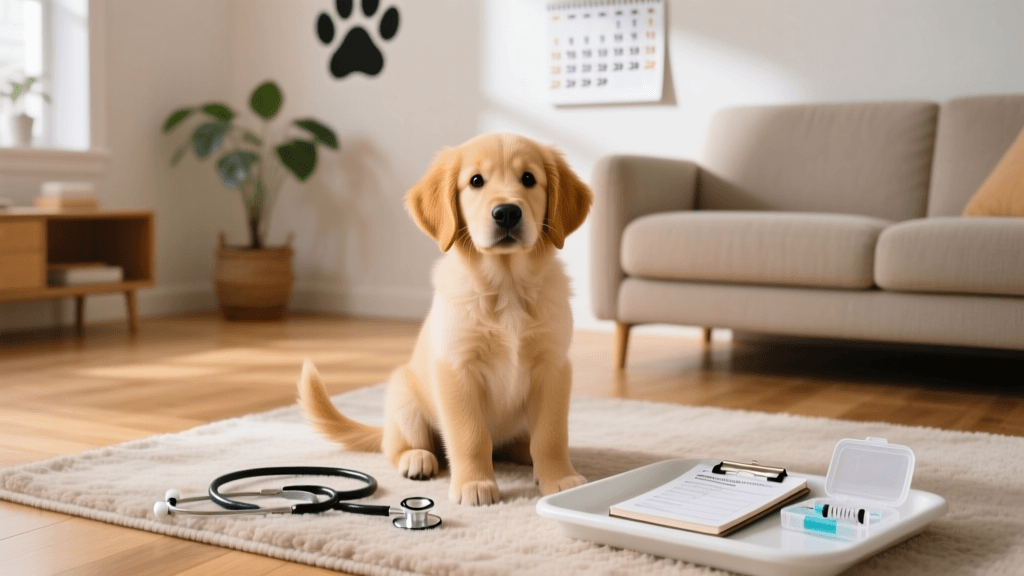
Before diving into the schedule, it is essential to understand the difference between core and non-core vaccines. According to the American Veterinary Medical Association (AVMA), core vaccines are those that are universally recommended for all dogs, regardless of their geographic location or lifestyle. These protect against diseases that are highly contagious, widespread, and potentially fatal.
The primary core vaccine for puppies is the DA2PP (often referred to as DHPP), which protects against Distemper, Adenovirus-2 (Hepatitis), Parainfluenza, and Parvovirus. Rabies is also a core vaccine and is required by law in most municipalities due to its zoonotic risk. Parvovirus, in particular, is a highly resilient virus that can survive in the environment for months and is frequently fatal to unvaccinated puppies.
Non-core vaccines, on the other hand, are administered based on your dog’s specific lifestyle, environment, and exposure risk. The American Kennel Club (AKC) notes that common non-core vaccines include Bordetella (kennel cough), Leptospirosis, Lyme disease, and Canine Influenza. If you plan to board your puppy, attend group training classes, or visit dog parks, your veterinarian will likely recommend the Bordetella vaccine. Similarly, if you live in an area with high tick populations or standing water, Lyme and Leptospirosis vaccines may be advised.
The Ultimate Puppy Vaccination Schedule
Puppies receive a series of vaccines starting at around six to eight weeks of age. This series is necessary because maternal antibodies, passed down from the mother, can interfere with the vaccine's effectiveness. As these maternal antibodies wane, the puppy becomes susceptible to diseases, and the booster shots ensure that the immune system is adequately primed.
Below is a structured breakdown of the standard puppy vaccination timeline, including the estimated costs you might encounter at a private veterinary clinic. Note that prices can vary significantly based on your geographic location and the specific clinic's pricing structure.
| Puppy Age | Vaccine(s) Administered | Type | Purpose | Estimated Cost |
|---|---|---|---|---|
| 6 - 8 Weeks | DA2PP (1st Dose) | Core | Distemper, Parvo, Hepatitis, Parainfluenza | $20 - $30 |
| 10 - 12 Weeks | DA2PP (2nd Dose), Bordetella | Core / Non-Core | Booster immunity; Kennel Cough prevention | $40 - $60 |
| 14 - 16 Weeks | DA2PP (3rd Dose), Rabies | Core | Final puppy booster; Legal Rabies protection | $50 - $75 |
| 12 - 16 Months | DA2PP Booster, Rabies Booster | Core | First annual adult boosters | $45 - $85 |
Budgeting for Preventive Care: Hidden Costs to Consider
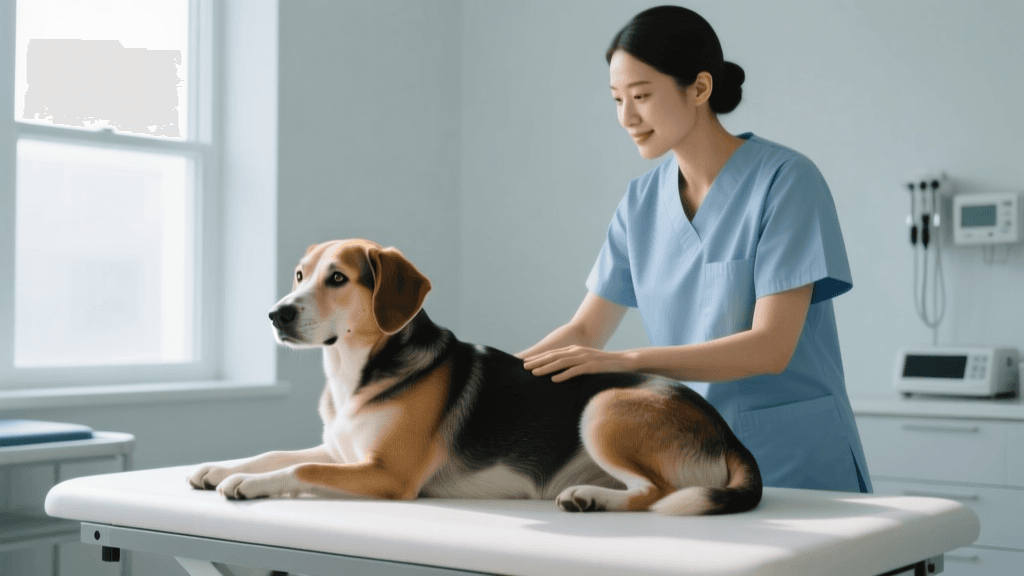
First-time owners often budget strictly for the vaccines themselves, only to be surprised by the additional fees associated with a comprehensive veterinary visit. A vaccine is rarely administered without a prior physical examination. Here is a realistic breakdown of the ancillary costs you should expect during your puppy’s first year:
- Veterinary Exam Fee: $50 to $100 per visit. The vet will check your puppy’s heart, lungs, teeth, and overall development.
- Fecal Float Test: $30 to $50. Intestinal parasites like roundworms and hookworms are incredibly common in puppies and can be transmitted to humans.
- Deworming Medication: $15 to $30. Products like Pyrantel Pamoate or Panacur are often administered in-clinic or prescribed for at-home use.
- Heartworm Prevention: $10 to $20 per month. Oral preventatives like Heartgard Plus or Simparica Trio are essential, even for indoor dogs, as mosquitoes can easily enter your home.
When you combine exam fees, vaccines, and parasite prevention, your first-year preventive veterinary budget should realistically be between $400 and $800. To manage these costs, many first-time owners opt for wellness plans, such as the Banfield Optimum Wellness Plan or PetSmart VetIQ packages, which bundle these services into a predictable monthly fee ranging from $40 to $100.
Preparing for the Vet Visit: A Stress-Free Approach
Veterinary clinics are full of strange smells, loud noises, and unfamiliar animals. Proper preparation can make the difference between a traumatic experience and a positive one. The ASPCA emphasizes the importance of early socialization and positive reinforcement in medical settings.
What to Bring to Your Appointment
- High-Value Treats: Bring small, soft treats that your puppy loves. Zuke’s Mini Naturals (broken into 1/4-inch pieces) or plain boiled chicken breast are excellent choices for rapid-fire rewarding during the exam.
- A Familiar Toy: A Kong Classic stuffed with a small amount of puppy-safe peanut butter can keep your dog occupied while the veterinary technician draws blood or administers injections.
- Medical Records: If you adopted your puppy from a shelter or breeder, always bring their previous medical records to avoid duplicate vaccinations.
- Stool Sample: Collect a fresh fecal sample (less than 12 hours old) in a sealed plastic bag or a sterile veterinary container to check for intestinal parasites.
Pro-Tip for First-Time Owners: Do not wait until the day of the appointment to introduce your puppy to being handled. Spend five minutes daily gently touching their paws, ears, and mouth, rewarding them with treats. This mimics the physical exam and drastically reduces anxiety at the clinic.
Post-Vaccination Care: Monitoring Your Puppy
After your puppy receives their shots, it is normal for them to experience mild side effects as their immune system responds to the antigens. You should expect your puppy to be slightly lethargic, sleep more than usual, and perhaps have a decreased appetite for the first 12 to 24 hours. A mild, localized swelling at the injection site is also common and should resolve within a few weeks.
However, severe allergic reactions, though rare, require immediate veterinary intervention. Watch closely for signs of anaphylaxis, which include:
- Facial swelling, particularly around the muzzle and eyes
- Hives or intense itching
- Vomiting or severe diarrhea
- Difficulty breathing or persistent coughing
- Collapse or extreme weakness
If you notice any of these severe symptoms, contact your veterinarian or an emergency animal hospital immediately. Some veterinarians may recommend administering an over-the-counter antihistamine like Benadryl (diphenhydramine) for mild reactions, but you must never administer human medication without explicit dosage instructions from your vet, typically calculated at 1 milligram per pound of body weight.
Frequently Asked Questions for New Owners
Can I carry my puppy outside before they are fully vaccinated?
Until your puppy has completed their final DA2PP booster at 14-16 weeks, they are highly susceptible to Parvovirus. You should avoid placing them on the ground in public areas, dog parks, or pet stores. However, you can safely carry them in your arms or a sling to expose them to the sights and sounds of the outside world, which is critical for their behavioral development.
What are Titer Tests?
A titer test is a blood test that measures your dog’s existing antibody levels against specific diseases. While some owners use titer testing to avoid over-vaccinating in adult dogs, it is generally not recommended for puppies, as their maternal antibodies can skew the results, leaving them unprotected.
By understanding the vaccination schedule, budgeting appropriately for veterinary care, and preparing your puppy for clinic visits, you are laying the foundation for a long, healthy, and vibrant life together. Welcome to the rewarding journey of dog ownership!
aaron-whyte
All our authors care for dogs every day — read more of their work on the authors page.