How to Diagnose and Solve Dog Leash Reactivity on Walks
Discover how to diagnose the root causes of dog leash reactivity and apply proven, step-by-step training solutions for peaceful daily walks.
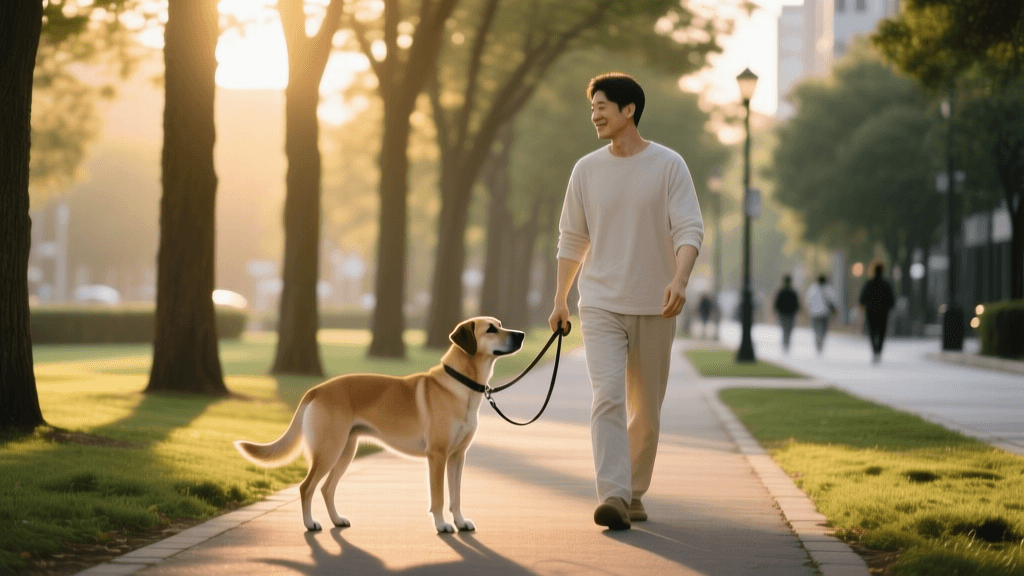
Walking your dog is supposed to be a relaxing, bonding experience—a highlight of the daily routine for both you and your canine companion. However, for owners of reactive dogs, a simple stroll around the block can quickly devolve into a stressful, exhausting chore characterized by barking, lunging, and pulling. Leash reactivity is one of the most common behavioral challenges reported by dog owners, but it is entirely manageable with the right diagnosis, tools, and training protocols.
According to the American Society for the Prevention of Cruelty to Animals (ASPCA), reactivity is often misunderstood as outright aggression, when in reality, it is usually rooted in fear, anxiety, or frustration. By shifting our perspective from simply correcting bad behavior to diagnosing the underlying emotional response, we can implement effective, long-lasting solutions.
Diagnosing the Root Cause: Fear vs. Frustration
Before you can solve leash reactivity, you must accurately diagnose what is driving the behavior. Most reactive dogs fall into one of two categories: fear-based reactivity or barrier frustration.
Fear-Based Reactivity
A fear-reactive dog is essentially shouting, 'Stay away from me!' The leash acts as a trap, preventing the dog from utilizing their natural flight response. When a dog feels cornered by an approaching trigger (another dog, a stranger, a skateboard), they resort to a 'fight' display to increase the distance between themselves and the perceived threat. Signs of fear reactivity include a tucked tail, pinned ears, whale eye, and lunging that ends in a quick retreat.
Barrier Frustration
On the flip side, barrier frustration occurs when a dog is highly social and desperately wants to greet the trigger, but the leash physically holds them back. This restriction causes a buildup of arousal that boils over into barking and lunging. The American Kennel Club (AKC) notes that barrier-frustrated dogs often display loose, wiggly body language, play bows, and whining before the barking starts, and they typically calm down immediately if allowed to interact with the trigger.
Understanding Thresholds and Trigger Stacking
Every reactive dog has an invisible bubble around them known as their 'threshold.' This is the distance at which your dog notices a trigger but remains calm enough to think, learn, and accept treats. Once a dog crosses this threshold (the trigger gets too close), their brain enters a fight-or-flight state, and learning becomes biologically impossible.
You must also be aware of 'trigger stacking.' This phenomenon occurs when multiple minor stressors accumulate over a short period, causing the dog's cortisol levels to spike. A loud garbage truck, a hot pavement, and a distant dog might individually be under your dog's threshold, but experienced together, they can trigger an explosive reaction. Managing your daily routine to minimize trigger stacking is a crucial part of the solution.
Essential Gear for Managing Leash Reactivity
Having the right equipment will not cure reactivity, but it will keep you and your dog safe while you implement training protocols. Avoid aversive tools like prong collars, choke chains, or shock collars. The American Veterinary Society of Animal Behavior (AVSAB) strongly advises against using punishment-based tools, as they can suppress warning signs and exacerbate underlying fear and aggression.
| Tool | Recommended Product Type | Purpose | Estimated Cost |
|---|---|---|---|
| Front-Clip Harness | No-Pull Y-Shaped Harness | Redirects forward momentum safely without choking | $20 - $35 |
| Basket Muzzle | Baskerville Ultra or Biothane | Prevents biting while allowing panting and treat-eating | $15 - $30 |
| Fixed-Length Leash | 4 to 6-foot Nylon or Leather | Provides control; avoids the tension of retractable leashes | $15 - $25 |
| Treat Pouch | Magnetic Closure Rapid Pouch | Allows for split-second reward delivery | $15 - $20 |
Step-by-Step Solutions: Desensitization and Counter-Conditioning
The gold standard for treating leash reactivity is Desensitization and Counter-Conditioning (DSCC). The goal is to change your dog's emotional response to a trigger from 'threat' or 'frustration' to 'predictor of good things.' To do this, you need high-value treats that your dog only gets during walks, such as boiled chicken, string cheese, or hot dogs.
The Engage-Disengage Game
This game, popularized by canine behaviorists, teaches your dog to look at a trigger and then voluntarily look back at you for a reward.
- Step 1: Mark and Reward (Engage). Stand with your dog at a sub-threshold distance from the trigger. The moment your dog looks at the trigger, use a marker word like 'Yes!' or click a clicker, then immediately feed a high-value treat.
- Step 2: The Disengage. Once your dog understands that looking at the trigger earns a treat, wait a second longer after they look at the trigger. Wait for them to voluntarily turn their head back toward you. The moment they disengage and look at you, mark ('Yes!') and reward heavily.
- Step 3: Decrease Distance. Over multiple sessions, as your dog becomes more relaxed and quick to disengage, you can take one step closer to the trigger, always ensuring you remain under the threshold.
The Emergency U-Turn
Sometimes, a trigger appears unexpectedly, or someone ignores your requests for space. You need an escape route. Teach the 'Let's Go!' cue in a quiet environment. Say 'Let's Go!' in an upbeat tone, pivot 180 degrees, and jog away, rewarding your dog heavily when they catch up to you. This turns a potentially stressful retreat into a fun game.
Reactivity is not a character flaw; it is a manifestation of an underlying emotional response. Our goal is to change the emotion, not just suppress the behavior through intimidation.
— Board Certified Veterinary Behaviorist
Modifying Your Daily Walking Routine
Training sessions are only 15 to 20 minutes of your day. The rest of your routine must be managed to prevent your dog from rehearsing the reactive behavior. Every time your dog lunges and barks, the behavior is reinforced because the trigger eventually walks away (in the dog's mind, their barking worked).
- Walk During Off-Peak Hours: Adjust your schedule to walk early in the morning (before 6:30 AM) or late at night (after 9:00 PM) when neighborhood traffic and other dogs are minimal.
- Advocate for Your Dog: Do not be afraid to cross the street, hide behind a parked car, or politely tell approaching owners, 'My dog needs space, please do not approach.' You are your dog's primary protector.
- Implement 'Sniffaris': Physical exercise is not enough for a reactive dog; they need mental decompression. Take your dog to a quiet, enclosed field on a 15-foot long line and let them sniff freely for 30 minutes. Sniffing lowers a dog's heart rate and reduces baseline anxiety.
- Alternative Enrichment: On days when the weather is bad or the neighborhood is too chaotic, skip the walk entirely. Replace it with indoor enrichment activities like snuffle mats, lick mats, or hide-and-seek with their favorite toys.
When to Seek Professional Help
While many dogs improve significantly with consistent owner-led DSCC and management, some cases require professional intervention. If your dog's reactivity is accompanied by redirected aggression (biting the handler), severe panic attacks, or if you feel unsafe handling your dog, it is time to hire a professional. Look for a Certified Professional Dog Trainer (CPDT-KA) or a Veterinary Behaviorist who utilizes force-free, science-based methods.
Solving leash reactivity is not an overnight fix; it is a lifestyle adjustment. By accurately diagnosing your dog's triggers, utilizing safe management gear, and consistently applying counter-conditioning techniques, you can slowly rebuild your dog's confidence. Patience, empathy, and a commitment to changing your daily routine will ultimately transform those stressful walks into the peaceful bonding experiences you both deserve.
robin-maitland
All our authors care for dogs every day — read more of their work on the authors page.