Canine Foraging Psychology: Snuffle Mat Techniques for 2026
Discover the psychology behind canine foraging and master snuffle mat progression techniques in 2026 to boost your dog's mental enrichment and reduce anxiety.
The Neuroscience of the Canine Nose and Foraging
As we move through 2026, veterinary behaviorists and canine psychologists increasingly emphasize that physical exercise alone is insufficient for a balanced, happy dog. While a three-mile run might tire your dog's muscles, it does little to satisfy the complex cognitive demands of their brain. This is where mental enrichment, specifically foraging and scent work, becomes critical. To truly understand your dog, we must look at the world through their nose.
The canine olfactory system is a biological marvel. According to detailed anatomical reviews on canine olfaction, dogs possess up to 300 million olfactory receptors in their noses, compared to a human's mere six million. Furthermore, the part of a dog's brain devoted to analyzing odors is proportionally 40 times greater than ours. When a dog sniffs, they are not just smelling; they are processing a complex, three-dimensional map of their environment, reading the 'news' of who passed by, what they ate, and their emotional state.
Engaging this olfactory powerhouse through foraging games like snuffle mats triggers a massive release of dopamine. This neurotransmitter is the brain's reward chemical, and its release during scent work naturally lowers a dog's heart rate, reduces cortisol (stress hormone) levels, and induces a state of calm focus. In 2026, incorporating daily sniffing sessions is considered a foundational pillar of modern canine behavioral therapy.
The Psychology of the 'Seeking' Circuit
To understand why puzzle toys and snuffle mats are so effective, we must explore the 'Seeking' emotional system in the mammalian brain, a concept pioneered by neuroscientist Jaak Panksepp. The Seeking circuit is the primal drive that motivates animals to explore, forage, and make sense of their environment. In the wild, canines spend up to 80% of their waking hours scavenging and hunting for food.
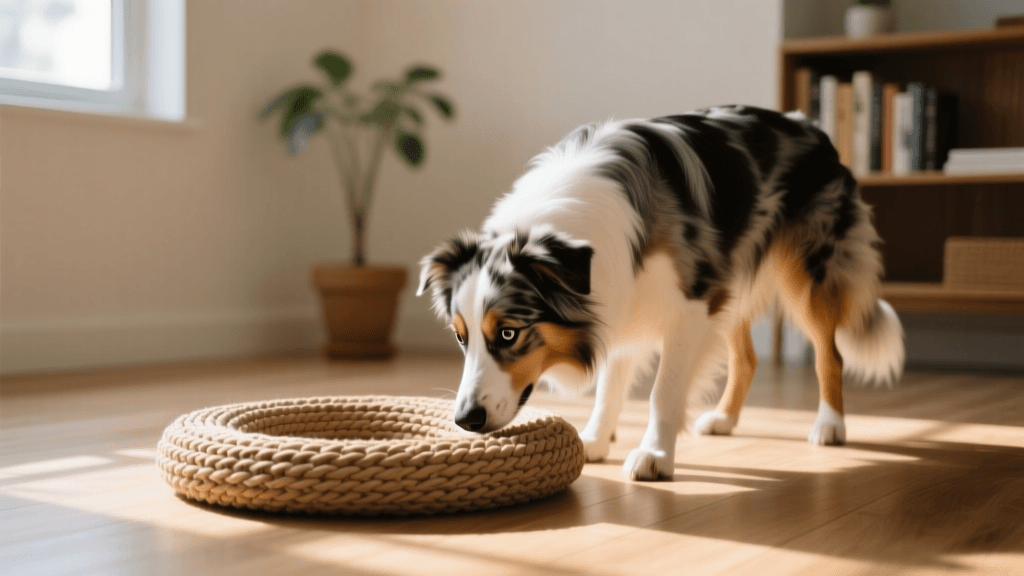
When we feed a modern pet dog from a stainless steel bowl in under thirty seconds, we short-circuit this deeply ingrained psychological need. The dog is robbed of the mental satisfaction of the 'hunt.' By scattering kibble in a dense, fleece snuffle mat, we reactivate the Seeking circuit. The dog must use their nose, paws, and problem-solving skills to extract the reward. This process builds confidence, alleviates boredom-induced destructive behaviors, and provides a profound sense of psychological fulfillment that a simple walk cannot replicate.
Snuffle Mat Progression Framework for 2026
A common mistake owners make is purchasing a highly complex snuffle mat or puzzle toy and expecting their dog to figure it out immediately. This leads to frustration, chewing, and abandonment of the toy. Mental enrichment must be scaffolded. Below is a structured progression guide to help you build your dog's foraging confidence throughout 2026.
| Level | Technique & Setup | Time / Reward Ratio | Psychological Goal |
|---|---|---|---|
| Level 1: Novice | Place kibble on top of the fleece strips. Use high-value, strong-smelling treats (e.g., freeze-dried liver) to ensure immediate success. | 5 minutes / 1/4 cup kibble | Build positive association with the mat; teach the dog that the mat equals food. |
| Level 2: Intermediate | Push treats halfway down into the fleece strips. Mix standard kibble with a few aromatic treats to maintain motivation. | 10 minutes / 1/2 cup kibble | Encourage deeper sniffing and gentle pawing; increase cognitive load. |
| Level 3: Advanced | Bury treats at the very base of the mat. Introduce 'decoy' scents or fold the mat over to create physical barriers. | 15 minutes / 1/2 cup kibble | Develop persistence and problem-solving; require intense olfactory discrimination. |
| Level 4: Expert | Combine a 12x18 inch snuffle mat with a secondary puzzle (e.g., Outward Hound Dog Brick) in a multi-room scavenger hunt. | 20+ minutes / Full meal | Simulate natural wild foraging; maximize mental fatigue and environmental engagement. |
Breed-Specific Foraging Behaviors
Understanding your dog's breed heritage is crucial when designing a mental enrichment routine. Different genetic lineages process foraging tasks differently.
Scent Hounds (Beagles, Bloodhounds, Coonhounds)
Hounds are the ultimate olfactory athletes. They will naturally excel at snuffle mats but can become easily frustrated if the scent trail is broken or if the mat is too small. For hounds, invest in larger, premium mats (like the Paw5 Wooly Snuffle Mat, which retails for around $45 to $60 in 2026) and scatter the foraging area across a 10x10 foot space. Allow them to work independently, as their genetic drive is to track solo or in loose packs without constant human direction.
Herding Breeds (Border Collies, Australian Shepherds, Shelties)
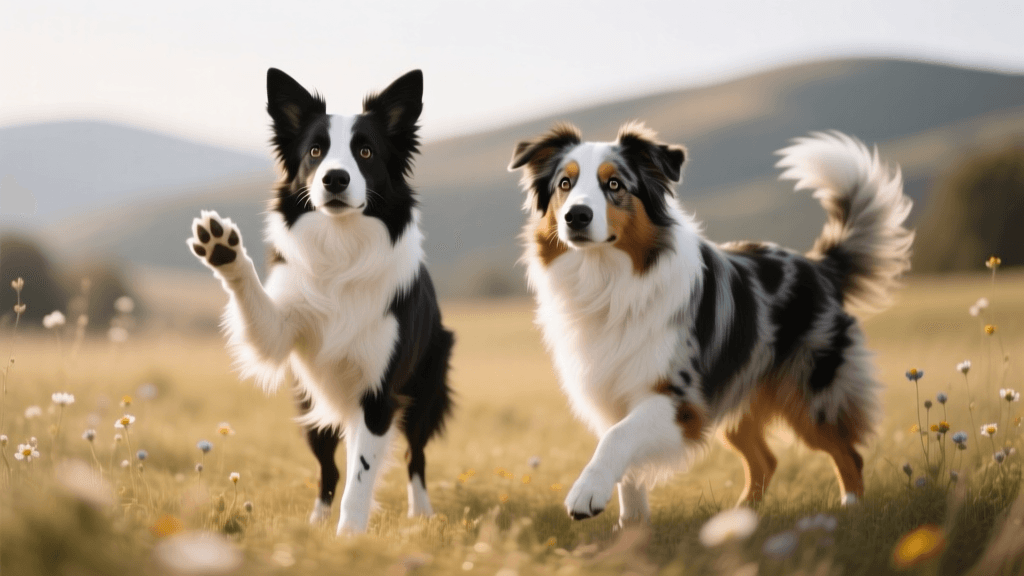
Herders are highly visual and reactive. They often try to 'cheat' the snuffle mat by flipping it over with their paws or nosing it aggressively to dump the food out. To satisfy a herder's psychology, you must enforce rules. Teach a 'wait' command before releasing them to the mat. If they flip the mat, calmly reset it. Herders need to learn impulse control just as much as they need to forage. Combining a snuffle mat with obedience cues (e.g., 'sit', 'down', 'wait', then 'find it') perfectly marries their need for mental stimulation with their desire to work alongside a handler.
Terriers (Jack Russells, Rat Terriers, Cairn Terriers)
Terriers were bred to dig, shake, and destroy prey. When presented with a snuffle mat, a terrier's first instinct will likely be to bite, shake, and dig at the fleece. This is normal breed-appropriate behavior, not 'bad' behavior. However, to save your mat from being shredded in 2026, supervise terrier sessions closely. Redirect destructive digging into purposeful paw-targeting. Alternatively, use heavy-duty, rubber-based foraging mats or West Paw's Toppl toys, which withstand terrier jaw pressure far better than traditional fleece.
Troubleshooting Common Snuffle Mat Frustrations
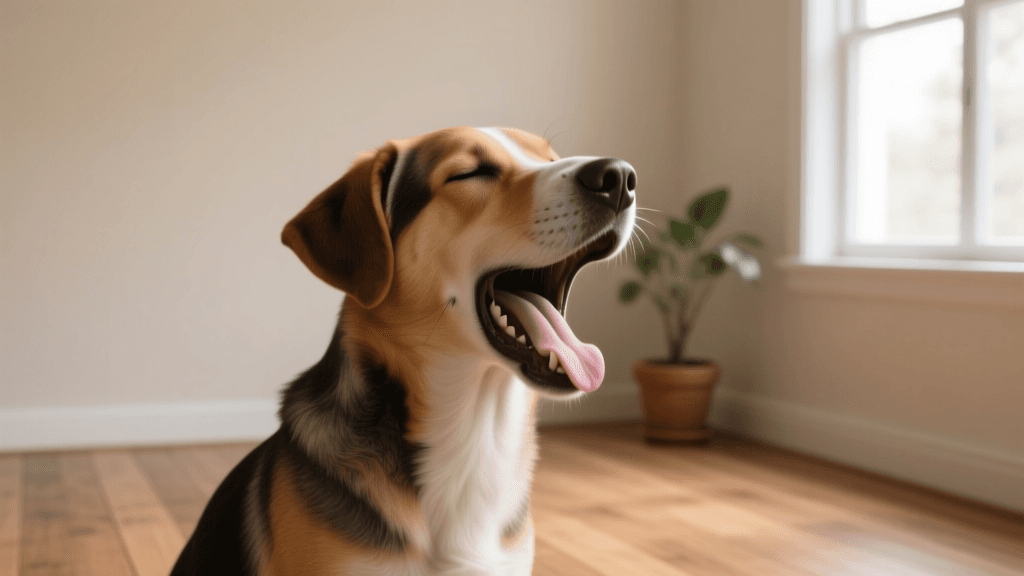
Even with the best intentions, dogs can become frustrated during mental enrichment. The Humane Society of the United States notes that enrichment should always be a positive, stress-reducing experience. If your dog exhibits stress signals (lip licking, yawning, whining, or walking away), adjust your approach:
- The 'Flip and Dump' Cheat: If your dog flips the mat to get the food, place the mat inside a shallow cardboard box or against a wall to limit the angles of approach. This forces them to use their nose rather than their paws.
- Loss of Interest: If your dog sniffs for ten seconds and leaves, the treats are likely not high-value enough, or the mat is too difficult. Revert to Level 1 (treats placed visibly on top) and use aromatic options like dried smelt or low-sodium jerky bits.
- Resource Guarding: Some dogs may growl when approached while foraging, as the scattered food triggers a primal hoarding instinct. If this occurs, do not punish the dog. Instead, practice the 'trading up' game, offering a higher-value treat from your hand in exchange for the mat, and consult a certified force-free behaviorist.
- Hygiene and Maintenance: Snuffle mats can harbor bacteria and mold if wet food or raw diets are used. Stick to dry kibble or dehydrated treats. Wash your mat weekly in cold water on a gentle cycle, and air dry completely to maintain the fleece's structural integrity.
Conclusion: A 2026 Commitment to Canine Cognition
Understanding your dog requires looking beyond their physical needs and honoring their psychological heritage. The simple act of foraging taps into millions of years of evolutionary biology, providing a level of mental exhaustion and emotional satisfaction that physical exercise simply cannot match. By implementing a structured, breed-appropriate snuffle mat progression, you are not just feeding your dog; you are enriching their mind, reducing their anxiety, and deepening the bond you share. As veterinary science continues to advance in 2026, the prescription for a happy dog is clear: let them sniff, let them seek, and let them forage.
For more comprehensive guidelines on canine behavioral health and safe enrichment practices, always refer to the American Veterinary Medical Association's dog care resources to ensure your mental stimulation routines align with the latest veterinary standards.
tom-renshaw
All our authors care for dogs every day — read more of their work on the authors page.