Scent Foraging Puzzles For Canine Anxiety: 2026 Guide
Discover how scent foraging puzzles like snuffle and lick mats reduce canine separation anxiety by tapping into natural predatory instincts in 2026.
The Neurological Power of Scent Foraging
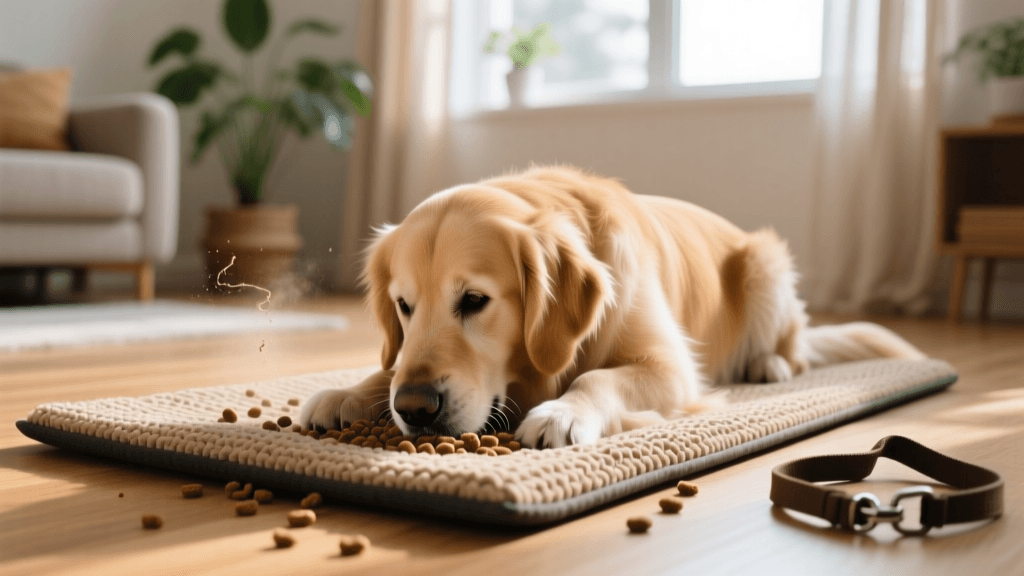
As we navigate the evolving landscape of canine behavioral science in 2026, one truth remains absolute: a tired dog is not always a well-behaved dog, but a mentally fulfilled dog is. For decades, the standard prescription for canine behavioral issues, particularly separation anxiety and destructive chewing, was simply more physical exercise. However, modern veterinary behaviorists now emphasize that cognitive fatigue is far more effective at stabilizing a dog's nervous system. At the heart of this paradigm shift is the use of scent foraging puzzles, specifically snuffle mats and lick mats, to alleviate anxiety by tapping into deep-seated evolutionary instincts.
To understand why foraging works, we must look at the canine brain. The olfactory bulb in a dog's brain is proportionally 40 times larger than that of a human. When a dog engages in scent-based foraging, they are activating the 'SEEKING' system, a primary emotional network in the mammalian brain identified by neuroscientist Jaak Panksepp. This system is responsible for the feeling of anticipation and reward. As your dog hunts for hidden kibble in the dense fabric of a snuffle mat, their brain releases a steady stream of dopamine. This neurochemical response naturally lowers cortisol levels, creating a profound sense of calm that is incredibly beneficial for dogs suffering from departure-triggered panic.
Physical Exhaustion vs. Cognitive Enrichment
A common misconception among dog owners is that a two-hour run at the dog park will cure separation anxiety. While physical exercise is vital for cardiovascular health, it often creates an 'endurance athlete' dog that requires increasingly extreme physical exertion just to reach a baseline of calmness. Mental enrichment, on the other hand, provides a different type of fatigue. Behavioral studies consistently show that 15 to 20 minutes of intensive, focused sniffing and foraging can deplete a dog's energy reserves as much as a one-hour brisk walk. By integrating foraging puzzles into your daily routine, you are providing an outlet for natural behaviors that are otherwise suppressed in a modern indoor environment.
Snuffle Mats vs. Lick Mats: A 2026 Comparison
While both tools fall under the umbrella of mental enrichment, they serve slightly different psychological functions. Understanding the distinction is crucial for targeting specific anxiety triggers.
| Feature | Snuffle Mat (Scent Foraging) | Lick Mat (Gustatory Soothing) |
|---|---|---|
| Primary Sense Engaged | Olfactory (Smell) and Tactile | Gustatory (Taste) and Tactile |
| Psychological Effect | Stimulates the SEEKING system; builds confidence and focus. | Triggers endorphin release through repetitive licking; deeply soothing. |
| Best Used For | Pre-departure focus, high-drive breeds, active foragers. | Wind-down periods, crate training, thunderstorm anxiety. |
| Preparation Time | 2 to 3 minutes (hiding dry kibble). | 5 to 10 minutes (spreading wet food and freezing). |
| 2026 Average Cost | $25 to $45 USD | $12 to $25 USD |
Breed-Specific Foraging Instincts
Not all dogs interact with puzzles in the same way. Breed genetics play a massive role in how a dog approaches a snuffle mat or a lick mat. In 2026, force-free trainers heavily customize enrichment based on breed-specific predatory motor sequences.
- Scent Hounds (Beagles, Bloodhounds): These dogs are hardwired to track. A snuffle mat is essentially their natural habitat. To increase the challenge, scatter the mat across a room rather than keeping it in one spot, forcing them to track the scent trail.
- Terriers (Jack Russells, Rat Terriers): Bred to dig and shake, terriers may try to flip the snuffle mat or dig at the lick mat. For these breeds, secure the lick mat to a wall or the floor using suction cups, and use heavy, non-slip snuffle mats.
- Herding Breeds (Border Collies, Australian Shepherds): These dogs need a 'job'. Combine the snuffle mat with obedience commands. Ask for a 'sit' or 'down' before releasing them to forage, satisfying their need for structured work.
Step-by-Step Protocol for Separation Anxiety
According to the ASPCA's comprehensive guide on separation anxiety, creating positive associations with your departure is a cornerstone of behavioral modification. Here is how to use foraging puzzles to rewire your dog's emotional response to being left alone.
Phase 1: The Baseline Introduction (Days 1-5)
Do not use the puzzle as a departure tool immediately. First, introduce the snuffle mat while you are home and relaxing. Let the dog associate the mat with a positive, low-stress experience. Start with high-value, strongly scented treats (like freeze-dried liver) placed near the top of the fabric folds. As they gain confidence, push the treats deeper into the mat.
Phase 2: The Departure Cue (Days 6-14)
Begin presenting the foraging puzzle exactly 10 minutes before you initiate your departure routine. The goal is to shift the dog's brain from the anxiety of 'my human is putting on their shoes' to the dopamine-driven focus of 'I am hunting for treats.' By the time you walk out the door, the dog should be deeply engrossed in the mat and barely register your exit.
Phase 3: Duration and Desensitization (Days 15+)
Gradually increase the difficulty of the puzzle to ensure it lasts for the first 15 to 20 minutes of your absence. The American Kennel Club's insights on mental enrichment suggest that the first 20 minutes of isolation are the most critical for anxiety-prone dogs. If the puzzle keeps them occupied through this initial spike in cortisol, they are far more likely to settle into a resting state for the remainder of your absence.
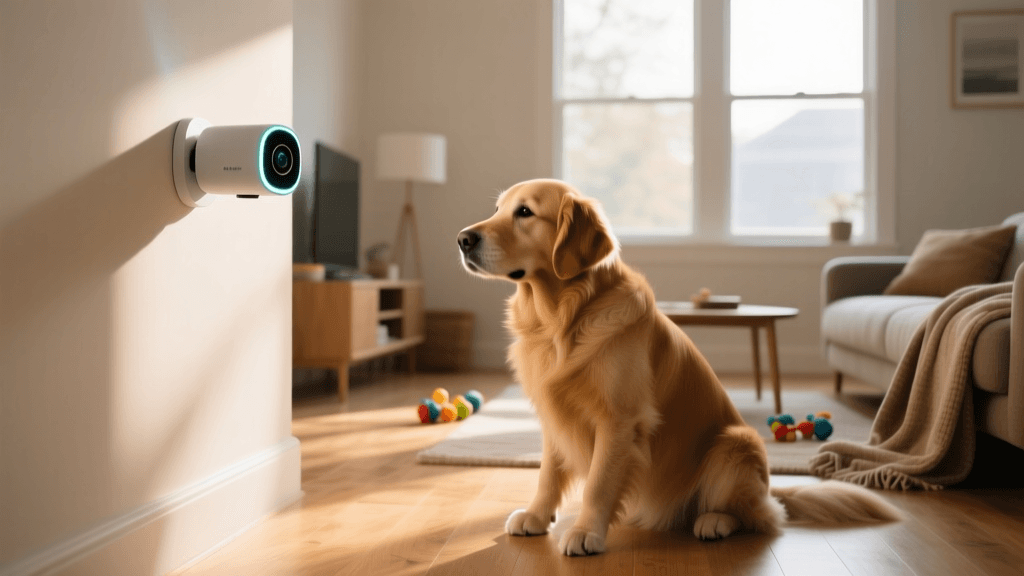
Pro Tip for 2026: Invest in a smart pet camera with treat-tossing capabilities. If you notice your dog finishing the snuffle mat in 5 minutes and beginning to pace, you can remotely dispense a few treats onto the mat to re-engage their SEEKING system before the anxiety spiral begins.
Top 2026 Foraging Puzzle Recommendations
The market for canine cognitive enrichment has matured significantly. Here are the top-rated, durable options currently favored by veterinary behaviorists:
- The Paw5 Wooly Snuffle Mat: Made from upcycled, sustainable materials, this mat mimics the texture of tall grass. Its dense, varied fabric strands are excellent for high-drive dogs who tend to cheat by flipping thinner mats upside down.
- Hyper Pet IQ Treat Mat: A versatile lick mat featuring varying textures and difficulty zones. It is made from non-toxic, food-grade natural rubber and is dishwasher safe, which is crucial for maintaining hygiene when using raw or wet diets.
- Outward Hound Nina Ottosson Dog Brick: While not a fabric mat, this interactive sliding-block puzzle is an excellent secondary step for dogs who have mastered the snuffle mat and require advanced cognitive problem-solving to stave off boredom.
Troubleshooting Common Behavioral Roadblocks
Even with the best psychological framework, you may encounter hurdles. Here is how to address the most common issues:
The Dog Flips the Mat: If your dog uses their paws to flip the snuffle mat rather than their nose, they are bypassing the olfactory enrichment. To correct this, place the mat inside a shallow cardboard box or a low-sided plastic tray. This restricts the edges, forcing the dog to use their snout to navigate the folds.
The Dog Gives Up (Learned Helplessness): If the puzzle is too difficult, the dog may walk away, which can actually increase frustration and anxiety. Always set your dog up for success. If they struggle, immediately toss a high-value treat directly on top of the mat to rebuild their confidence, then hide the next few treats slightly shallower.
Destructive Chewing on the Mat: If your dog views the snuffle mat as a chew toy rather than a foraging tool, they are under-stimulated or lack appropriate chew outlets. Remove the mat immediately to prevent ingestion of fabric. Swap to a heavy-duty rubber lick mat secured to a wall, and provide dedicated, long-lasting chew items like yak cheese or coffee wood sticks separately.
Conclusion
Understanding your dog's psychological need to forage is a game-changer in managing separation anxiety and destructive behaviors. By replacing the traditional food bowl with scent-based snuffle mats and soothing lick mats, you are not just feeding your dog; you are fulfilling a primal biological imperative. As we continue to prioritize mental health and cognitive enrichment in 2026, these simple, cost-effective tools remain some of the most powerful interventions available to modern dog owners. Start small, observe your dog's unique behavioral responses, and watch as their anxiety melts away into focused, joyful engagement.
aaron-whyte
All our authors care for dogs every day — read more of their work on the authors page.