Sniffari Walks & Scent Games: Dog Bonding & Anxiety Relief 2026
Discover how Sniffari walks and scent work lower canine anxiety and build trust. Learn 2026 protocols, gear, and cooperative games for deeper bonding.
The 2026 Shift: From Physical Exhaustion to Mental Enrichment
For decades, the prevailing wisdom in dog ownership was simple: a tired dog is a good dog. Owners were encouraged to run, fetch, and physically exhaust their pets to manage behavioral issues. However, as we navigate the canine wellness landscape of 2026, veterinary behaviorists and certified trainers have completely shifted this paradigm. We now understand that physical exhaustion without mental stimulation often leads to a hyper-aroused, stressed dog with elevated cortisol levels. The modern approach to canine health, wellbeing, and deep relationship building centers on mental enrichment, specifically through scent work and "Sniffari" walks.
Bonding with your dog is not just about playing fetch; it is about cooperative engagement and allowing your dog to express their natural, species-specific behaviors. According to the ASPCA, mental enrichment is critical for reducing anxiety, preventing cognitive decline in senior dogs, and fostering a secure attachment between pet and owner. By engaging your dog's primary sense—their olfactory system—you are communicating with them in their native language, building profound trust and mutual understanding.
The Neuroscience of Sniffing: Why Scent Builds Trust
To understand why scent work is the ultimate bonding tool, we must look at canine biology. A dog's brain is dominated by the olfactory bulb, which is proportionally 40 times larger than that of a human. While we might have 5 million olfactory receptors, dogs possess up to 300 million, depending on the breed. When a dog sniffs, they are not just smelling; they are processing complex chemical data about their environment, other animals, and even the emotional states of the beings around them.
More importantly, the act of sniffing triggers a physiological relaxation response. Continuous sniffing lowers a dog's heart rate and stimulates the release of dopamine, the neurotransmitter associated with pleasure and reward. When you take your dog on a Sniffari—a walk entirely dedicated to letting the dog lead with their nose—you are actively helping them self-regulate their nervous system. This co-regulation is a cornerstone of relationship building. Your dog learns that you are a partner who provides access to enriching, calming experiences, rather than a dictator who forces them to march at a human pace.
Furthermore, the American Kennel Club (AKC) highlights that scent work builds confidence in reactive or fearful dogs. Because sniffing requires focus and engages the thinking part of the brain, it naturally overrides the amygdala's fear response, making it an invaluable tool for rehabilitating leash-reactive dogs and strengthening the human-canine bond.
Essential Gear for Scent-Based Bonding in 2026
To facilitate a successful Sniffari or structured scent work session, the right equipment is non-negotiable. Restrictive gear communicates tension and inhibits the dog's natural movement and breathing. Here is the 2026 recommended gear list for optimal bonding and comfort:
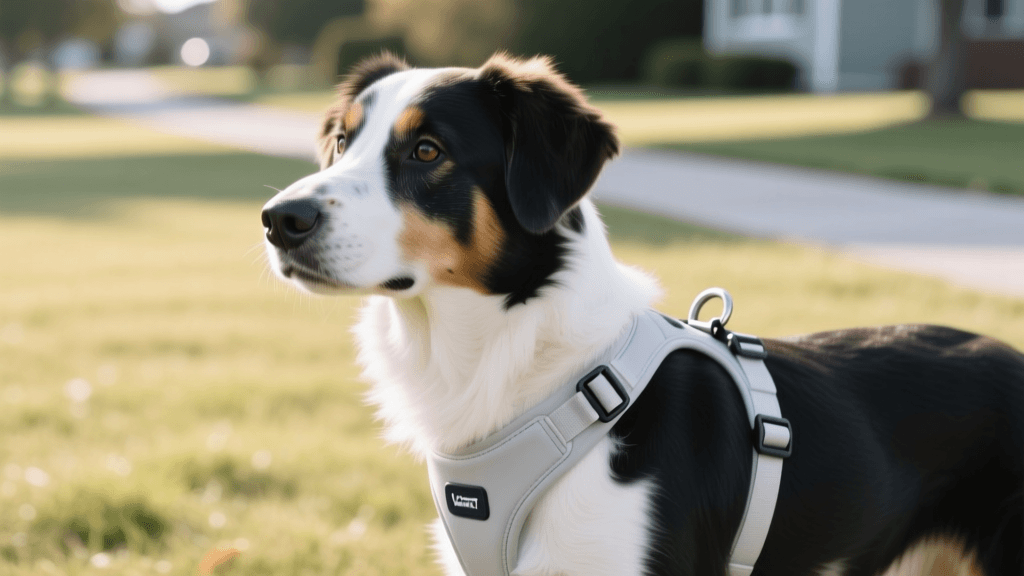
- Y-Shaped Harness: Brands like Haqihana or the Perfect Fit Harness are ideal. A Y-shaped front allows full shoulder extension and does not restrict the chest, ensuring the dog can breathe deeply and comfortably while sniffing the ground.
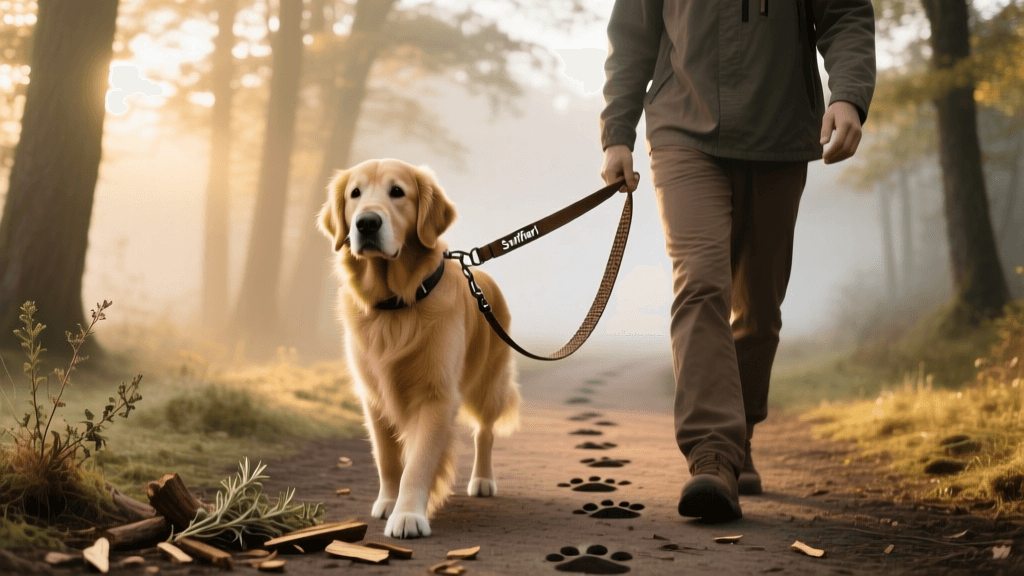
- 15-Foot Biothane Long Line: In 2026, antimicrobial, matte-finish Biothane lines are the industry standard. They provide the dog with the freedom to roam and follow scent trails without the tangling and water-logging issues associated with traditional nylon or cotton lines.
- High-Value Treat Pouch: A silent, magnetic-closure treat pouch worn on your hip allows you to reward "check-ins" and scent discoveries without fumbling, keeping the bonding loop tight and positive.
- Scent Work Starter Kits: For structured indoor games, 2026 AKC-recognized starter kits featuring safe, diluted essential oils (Birch, Anise, and Clove) and odor vessels are widely available and cost approximately $45 to $60.
Activity Comparison: Physical vs. Mental Enrichment
| Activity Type | Average Heart Rate Impact | Dopamine Release | Joint Stress | Bonding & Trust Metric |
|---|---|---|---|---|
| High-Intensity Fetch (30 mins) | Elevated (Hyper-arousal) | Short spike, rapid crash | High (Repetitive impact) | Low (Independent focus) |
| Sniffari Walk (30 mins) | Lowered (Parasympathetic) | Sustained, steady release | Low (Natural pacing) | High (Cooperative exploration) |
| Structured Scent Work (15 mins) | Stable (Focused flow state) | High (Problem-solving reward) | None | Very High (Teamwork & communication) |
Step-by-Step: Running Your First Cooperative Sniffari
A Sniffari is not a traditional walk; it is a decompression exercise. The goal is not distance or speed, but sensory engagement. Here is how to execute a perfect Sniffari to maximize bonding and anxiety relief.
Step 1: The Decompression Zone
Choose a location that is relatively quiet and safe, such as a wooded trail, an empty park, or a quiet suburban cul-de-sac. Avoid high-traffic areas where you might encounter off-leash dogs or heavy noise pollution. The environment must allow your dog to feel secure enough to lower their head and engage their nose.
Step 2: The Long-Line Technique
Attach your 15-foot Biothane line to the back ring of the Y-harness. Hold the loop of the line in your dominant hand and let the excess drape loosely. Do not wrap the line around your wrist or fingers, as a sudden lunge by a startled dog could cause injury. The key to the Sniffari is to follow the dog. When they stop to sniff a patch of grass, you stop. When they move to a tree trunk, you follow. You are stepping out of the leadership role and allowing your dog to be the guide, which builds immense trust.
Step 3: Marking and Rewarding
While the sniffing itself is intrinsically rewarding, you can deepen the bond by participating in their discovery. When your dog finds a particularly interesting scent and spends time investigating it, use a soft, calm marker word like "Yes" or "Good find," and quietly toss a high-value treat near their nose. This reinforces the behavior and shows your dog that you are an active, supportive partner in their exploration.
Indoor Scent Work: Rainy Day Bonding Protocols
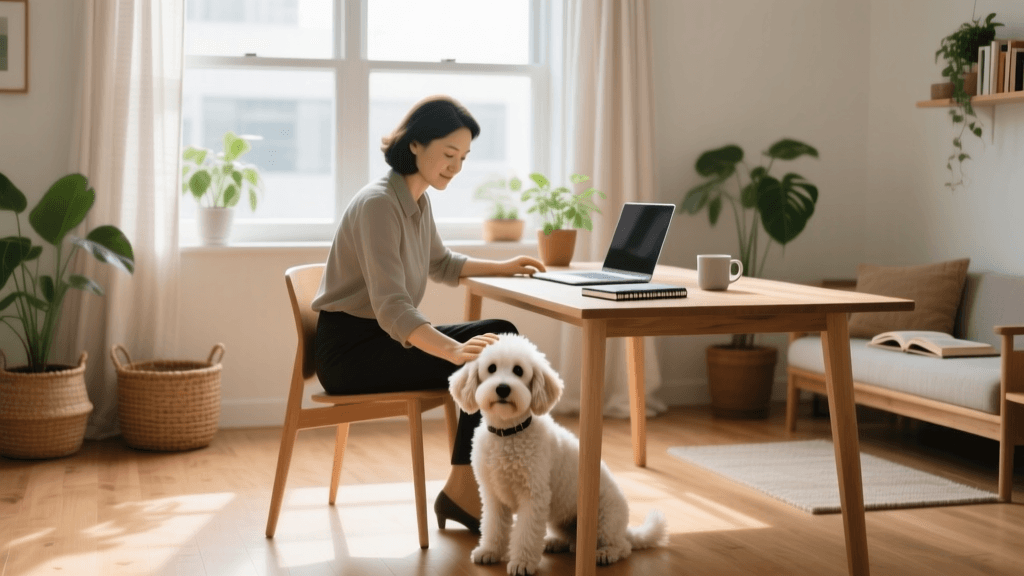
Weather or urban living constraints can sometimes limit outdoor Sniffaris. Fortunately, indoor scent work is equally effective for mental health and relationship building. Fear Free Pets strongly advocates for indoor foraging and scent games to combat boredom and separation anxiety.
The Snuffle Mat and Foraging Boxes
The Paw5 Wooly Snuffle Mat remains a top-tier tool in 2026 for simulating natural foraging. By hiding your dog's daily kibble or freeze-dried treats deep within the fleece strips, you turn a 5-minute meal into a 20-minute cognitive puzzle. For a DIY alternative, use a cardboard box filled with crumpled paper, old towels, and safe household items, scattering treats throughout. Sit on the floor with your dog while they forage. Your calm presence while they engage in a rewarding task creates a positive associative bond.
Cooperative Hide-and-Seek
Hide-and-seek is a profound bonding exercise that builds recall and trust. Start by having your dog sit and stay (or have a partner hold them). Hide in an easy location, such as behind an open door, and call your dog's name in an excited, joyful tone. When they find you, reward them with a game of tug or a handful of treats. This game teaches your dog that seeking you out is the most rewarding experience in their environment, directly translating to a stronger, more reliable recall in real-world scenarios.
Troubleshooting Common Scent Work Hurdles
Over-Arousal and Frustration: If your dog becomes frustrated or starts frantically digging at a snuffle mat or scent box, the task is too difficult. Simplify the game. Make the treats more visible and gradually increase the difficulty over weeks, not minutes. Frustration breaks the bond; success builds it.
Leash Reactivity on Sniffaris: If your dog reacts to triggers while on the long line, you are too close to the stimulus. Use the length of the Biothane line to create an immediate U-turn, increasing distance until your dog re-engages with the ground. Reward heavily for sniffing after a trigger appears, using scent as a coping mechanism for stress.
Conclusion: A Deeper Connection Through Scent
As we continue through 2026, the most successful and fulfilled dog owners are those who prioritize their dog's mental and emotional wellbeing alongside their physical health. By integrating Sniffari walks, structured scent work, and cooperative foraging games into your daily routine, you are doing much more than just tiring out your pet. You are lowering their anxiety, enriching their mind, and building a resilient, trust-based relationship that will last a lifetime. Let them lead with their nose, and watch your bond flourish.
jonas-cole
All our authors care for dogs every day — read more of their work on the authors page.