Top 5 Puppy Breeds for Remote Workers' Wellbeing 2026
Discover the top 5 low-stress puppy breeds for remote workers in 2026. Boost your mental health and ensure canine wellbeing with our expert guide.
The Intersection of Remote Work and Canine Wellbeing
As we navigate the evolving landscape of remote and hybrid work models in 2026, the home office has become a permanent fixture for millions of professionals. While working from home offers unparalleled flexibility, it also presents unique challenges for mental health, boundary-setting, and daily physical activity. For many, the solution has been adopting a puppy. However, the intersection of human mental health and canine wellbeing is a delicate balance. Choosing a high-energy, vocal, or anxiety-prone breed can inadvertently transform your peaceful home office into a stressful environment, elevating cortisol levels for both you and your dog.
From a veterinary and holistic wellness perspective, the goal is to find a companion whose natural temperament aligns with a sedentary, home-based lifestyle. The right puppy should act as a grounding presence, encouraging healthy screen-time breaks without demanding exhausting physical regimens that disrupt your workday. In this comprehensive 2026 guide, we explore the best low-stress puppy breeds tailored specifically for remote workers, focusing on their specific health profiles, mental enrichment needs, and how they contribute to a balanced work-from-home ecosystem.
Why Breed Selection Matters for Your Mental Health
Canine behaviorists and veterinary professionals increasingly recognize the bi-directional stress loop between pets and their owners. If your puppy is under-stimulated, frustrated, or prone to separation anxiety, their behavioral manifestations—such as excessive barking during video calls or destructive chewing—will directly impact your cognitive load and professional productivity. Conversely, a dog that is naturally calm, adaptable, and content with indoor lounging fosters an environment of tranquility. Selecting a breed genetically predisposed to lower arousal levels ensures that your dog's emotional wellbeing is maintained without requiring you to sacrifice your career responsibilities.
Top 5 Low-Stress Puppy Breeds for the Home Office
When evaluating breeds for remote workers, we prioritize three core health and wellness metrics: baseline energy levels, susceptibility to separation anxiety, and manageable preventative healthcare needs. Below is a comparative overview of the top five breeds for 2026.
| Breed | Energy Level | Separation Anxiety Risk | Primary Health Focus |
|---|---|---|---|
| Cavalier King Charles Spaniel | Low to Moderate | Moderate | Cardiac Health |
| Bichon Frise | Moderate | High | Joint & Allergy Care |
| Pug | Low | High | Respiratory & Weight |
| Shih Tzu | Low | Moderate | Ocular & Dental Health |
| Boston Terrier | Moderate | Moderate | Thermoregulation & Spine |
1. Cavalier King Charles Spaniel
The Cavalier King Charles Spaniel remains a top choice for remote workers due to their empathetic, 'velcro-dog' nature. They are exceptionally attuned to human emotions, making them excellent emotional support companions during high-stress workweeks. However, their wellbeing requires strict attention to cardiac health. The breed is predisposed to Mitral Valve Disease (MVD). To ensure a long, healthy life, remote workers must commit to annual veterinary cardiology screenings and maintain a strict, calorie-controlled diet to prevent obesity, which exacerbates heart strain.
2. Bichon Frise
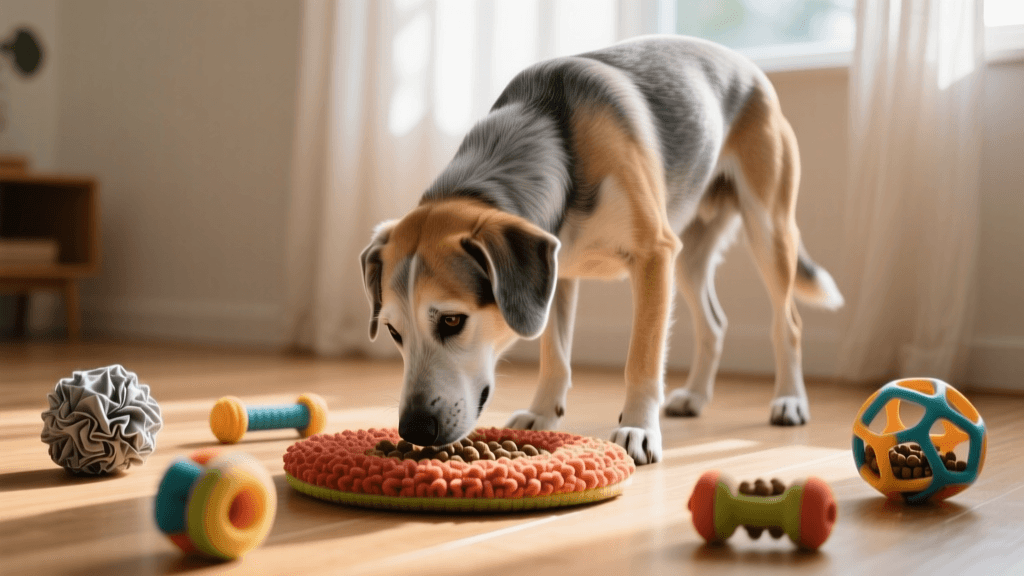
For remote workers who suffer from pet dander allergies, the Bichon Frise is a premier choice. Their hypoallergenic, hair-like coat minimizes indoor allergens, contributing to better respiratory health for the owner. Bichons are cheerful and adaptable, content to nap under your desk while you type. From a canine health perspective, they are generally robust but require diligent joint care to prevent patellar luxation. Daily mental enrichment, such as using a snuffle mat, satisfies their foraging instincts without requiring intense physical exertion.
3. Pug
Pugs are the quintessential lap dogs, perfectly suited for professionals who spend eight or more hours seated at a desk. Their low exercise requirements align seamlessly with a busy remote schedule. However, their brachycephalic (flat-faced) anatomy demands specialized care. Brachycephalic Obstructive Airway Syndrome (BOAS) is a critical wellness concern. Owners must utilize a harness instead of a collar to protect their airway, strictly monitor indoor temperatures to prevent heatstroke, and vigilantly manage their weight, as excess fat severely compromises their already restricted breathing.
4. Shih Tzu
Bred originally for companionship in royal palaces, the Shih Tzu thrives in a climate-controlled home office. They are notably quiet, rarely barking at delivery drivers or neighborhood noises, which preserves your professional focus during virtual meetings. Their primary health considerations revolve around their prominent eyes and compact jaw structure. Daily facial wipe-downs are necessary to prevent tear staining and skin fold dermatitis, while routine veterinary dental cleanings are non-negotiable to prevent early tooth loss and systemic bacterial infections.
5. Boston Terrier
Often described as a 'tuxedo-clad' companion, the Boston Terrier offers a slightly more playful demeanor while still being highly adaptable to apartment and home-office living. They require short, structured play sessions that can easily double as your own screen-time breaks. Health-wise, their short coats and brachycephalic features mean they are highly sensitive to temperature extremes. Furthermore, prospective owners should screen breeders for hemivertebrae, a spinal malformation common in the breed that can impact mobility and long-term orthopedic wellness.
Structuring a Wellbeing-Centric Daily Routine
Adopting a low-energy breed does not mean neglecting their physical and mental needs. According to the ASPCA's general dog care guidelines, all dogs require structured routines to prevent behavioral degradation and obesity. As a remote worker, you have the unique advantage of integrating canine wellness into your daily workflow.
- The Canine Pomodoro Technique: Adapt the popular productivity method for your dog. For every 90 minutes of deep work, schedule a 15-minute interactive break. Use this time for a brief neighborhood walk or a living-room game of tug-of-war, promoting cardiovascular health for both you and your puppy.
- Passive Mental Enrichment: When you have back-to-back Zoom calls, rely on interactive puzzle toys. The Outward Hound Dog Brick Puzzle or a frozen Kong Classic stuffed with veterinary-approved peanut butter can keep your puppy occupied for hours, stimulating their cognitive functions and reducing boredom-induced stress.
- Ergonomic Resting Zones: Invest in an orthopedic memory foam dog bed placed directly beneath or beside your desk. This provides your puppy with a secure 'den' that keeps them close to you, satisfying their pack instincts while supporting their developing joints.
The Remote Worker's Paradox: Preventing Separation Anxiety
The most significant wellbeing risk for dogs owned by remote workers is separation anxiety. Because you are home nearly 24/7, your puppy learns to expect your constant presence. When you eventually need to leave for a networking event, a medical appointment, or a return to a hybrid office, the sudden absence can trigger severe psychological distress, leading to self-injury or destructive behavior. The American Kennel Club emphasizes that proactive independence training is critical for dogs of remote professionals.
To safeguard your dog's mental health, you must artificially create absences. Start by utilizing baby gates to separate your workspace from your puppy's play area for short intervals. Gradually introduce crate training as a positive, reward-based sanctuary rather than a punishment zone. Furthermore, investing in a two-way audio pet camera, such as the Furbo 360, allows you to monitor your dog's stress levels and dispense treats remotely, helping them associate your physical absence with positive outcomes. By deliberately fostering independence, you ensure your dog remains emotionally resilient and psychologically balanced, even when you are not in the room.
Nutrition and Preventative Care for the WFH Dog
With the home office blurring the lines between living and working spaces, it is easy to fall into the trap of overfeeding your puppy by sharing snacks throughout the day. Obesity is a leading cause of preventable disease in canines, drastically reducing their lifespan and quality of life. Measure your puppy's food precisely using a digital kitchen scale rather than a standard measuring cup, and factor in the calories of any training treats used during the day.
Additionally, establish a dedicated 'wellness calendar' in your digital planner. Schedule reminders for monthly flea, tick, and heartworm preventatives, as well as bi-annual veterinary wellness exams. Preventative care is the cornerstone of holistic canine health, ensuring minor issues are caught before they become costly, stressful medical emergencies.
Conclusion
Choosing the right puppy breed is a profound decision that impacts both your professional productivity and your shared quality of life. By selecting a low-stress, adaptable breed like the Cavalier King Charles Spaniel, Bichon Frise, Pug, Shih Tzu, or Boston Terrier, you set the foundation for a harmonious home office. Prioritizing their specific health needs, enforcing structured routines, and proactively training for independence will ensure that your new companion remains a source of joy, comfort, and holistic wellbeing for years to come. Embrace the journey of remote work and pet parenthood with intentionality, and watch as your mental health and your puppy's vitality flourish together in 2026 and beyond.
robin-maitland
All our authors care for dogs every day — read more of their work on the authors page.