Sniffari Decompression Walks: Rescue Dog Bonding Guide 2026
Discover how Sniffari decompression walks build trust with your rescue dog in 2026. Learn gear, routes, and scent-game techniques for deeper bonding.
The Rise of the Sniffari: Redefining the Daily Walk
For decades, the standard advice for dog owners was to maintain a brisk, heel-focused pace during daily walks. However, as we navigate the evolving landscape of canine enrichment and behavioral science in 2026, the paradigm has entirely shifted—especially for rescue dogs. Enter the "Sniffari," a decompression walk designed not for physical exhaustion, but for mental stimulation, stress reduction, and profound relationship building.
When you adopt a rescue dog, they often carry a heavy backpack of invisible stress. Traditional walks in high-traffic areas can inadvertently trigger their fight-or-flight response, keeping cortisol levels elevated. A Sniffari, by contrast, allows the dog to dictate the pace and direction, using their primary sense—olfaction—to process their environment. This shared, low-pressure experience is one of the most powerful bonding tools available to modern dog owners.
The Neuroscience of Sniffing: Why It Builds Trust
To understand why a Sniffari deepens your bond, you have to look at the canine brain. A dog's olfactory bulb is proportionally 40 times larger than a human's, and the act of sniffing requires intense, rewarding cognitive work. According to behavioral research highlighted by the American Kennel Club, allowing your dog to sniff freely actually lowers their heart rate and induces a state of calm.
When you stand patiently at the end of a long line while your rescue dog investigates a single patch of grass for five minutes, you are communicating something vital: I respect your needs, and I am a safe, non-demanding presence. Trust is not built through forced obedience; it is built through mutual understanding and the removal of pressure. By facilitating an environment where your dog feels safe enough to engage in natural foraging behaviors, you position yourself as a partner rather than a dictator.
Essential 2026 Gear for Decompression Walks
Executing a proper Sniffari requires the right equipment. In 2026, the market is saturated with enrichment gear, but prioritizing comfort, safety, and freedom of movement is paramount. You must abandon restrictive collars and short leashes, which create physical tension that translates directly into psychological anxiety.
| Gear Type | Recommended Material | 2026 Avg. Cost | Why It Matters for Bonding |
|---|---|---|---|
| Long Line (15-30 ft) | Biothane or Marine Rope | $45 - $65 | Provides a "free" feeling without sacrificing safety in unfenced areas. |
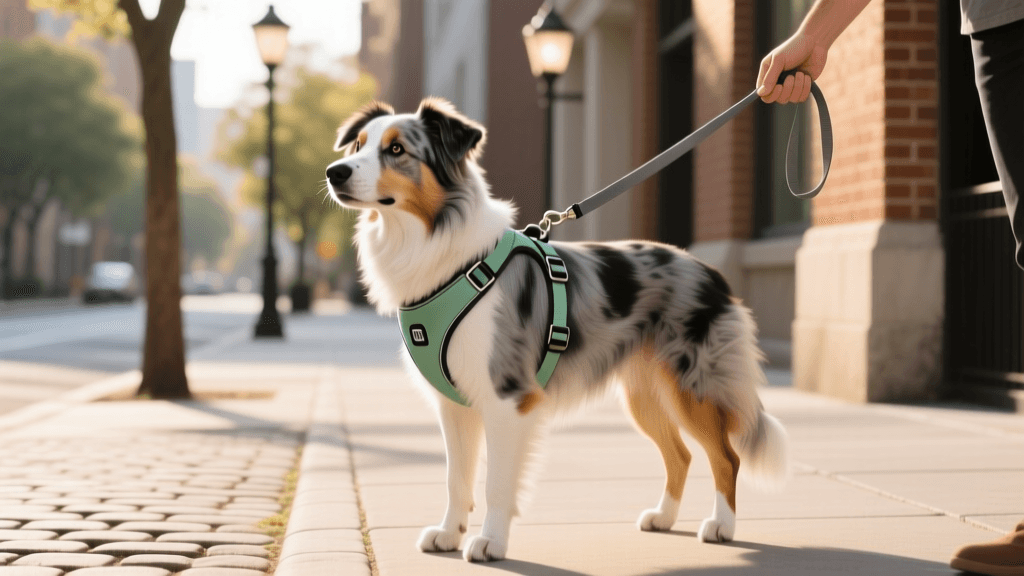
| Harness | Y-Front Padded Mesh | $55 - $85 | Prevents shoulder restriction, allowing natural movement and reducing frustration. |
| Treat Pouch | Waxed Canvas or Silicone | $20 - $35 | Allows for quick, silent reward delivery during spontaneous engagement. |
| Scent Enrichment | Natural Deer Antler Sheds | $15 - $30 | Introduces novel, species-appropriate scents to the environment. |
Pro Tip: Avoid retractable leashes. The thin cords can cause friction burns, and the constant mechanical tension mimics the feeling of being restrained, which can trigger reactivity in a fearful rescue dog. A fixed-length Biothane long line offers a soft, tactile connection between you and your dog without the persistent pulling sensation.
Step-by-Step Guide to Your First Rescue Dog Sniffari
Transitioning from a structured walk to a decompression walk requires patience. Here is how to facilitate your first Sniffari, drawing on guidelines supported by the Humane Society of the United States regarding positive reinforcement and low-stress handling.
Step 1: Choose the Right Environment
Do not attempt a Sniffari on a busy city sidewalk. Seek out "decompression zones"—overgrown fields, quiet wooded trails, or designated "sniff spots" (which have become highly accessible via peer-to-peer rental apps in 2026). The goal is an area with rich olfactory data (wildlife tracks, diverse flora) and minimal human or canine traffic.
Step 2: The Transition Ritual
Dogs thrive on predictability. Create a specific cue that signals the start of a Sniffari. This could be swapping their standard walking collar for their Y-front harness, or using a specific verbal cue like "Go sniff." When they hear this cue, they know the rules of engagement have changed: they are now in charge of the route.
Step 3: Follow the Nose, Not the Destination
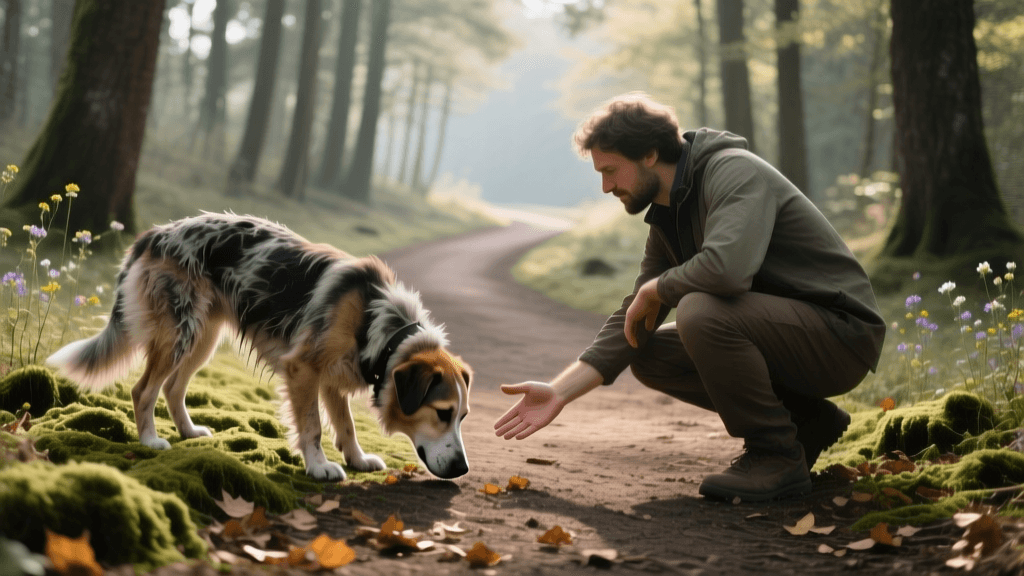
Drop your expectations of distance or speed. If your dog spends 15 minutes analyzing the base of an oak tree, stand with them. Keep the long line loose. Let the line drag on the ground if the environment is safe, as the weight of a dragging line further simulates off-leash freedom. Your only job is to observe and ensure safety.
Step 4: The Silent Check-In
When your dog voluntarily looks back at you during the walk, do not speak. Simply offer a soft smile, blink slowly, and toss a high-value treat into the grass for them to find. This rewards the "check-in" behavior without breaking their calm, meditative state with loud praise.
Deepening the Bond: Interactive Scent Games on the Trail
Once your rescue dog is comfortable with the Sniffari format, you can introduce low-pressure interactive games that reinforce your bond through teamwork.
- Scatter Feeding: Instead of feeding breakfast from a bowl, bring a portion of their daily kibble or freeze-dried raw toppers in your pouch. Periodically scatter a handful into the tall grass. Foraging together triggers a shared, primal satisfaction.
- The "Find It" Trail: While your dog is watching you, place a few strong-smelling treats (like dried liver) on logs or rocks a few feet away. Give the cue "Find it." This builds confidence as they successfully locate the prize, and they begin to view you as the provider of excellent environmental opportunities.
- Scent Articles: Bring a novel item from home, like a wooden spoon rubbed with a drop of dog-safe essential oil (like lavender or chamomile), and hide it under a leaf pile. Guiding them to discover your specific scent in the wild bridges the gap between home and the outside world.
Tracking Progress: Signs Your Rescue Dog is Decompressing
How do you know if the Sniffari is working? As a senior handler, you must learn to read the subtle "calming signals" that indicate a dog's nervous system is down-regulating. Watch for these profound signs of trust and relaxation during your walk:
"The shake-off is the canine equivalent of hitting the reset button on the nervous system. When a rescue dog pauses, gives their entire body a vigorous shake from nose to tail, and then resumes sniffing with a soft, open mouth, you are witnessing the physical release of accumulated stress."
Other signs of successful decompression include:
- Soft, Almond-Shaped Eyes: The absence of "whale eye" (showing the whites of the eyes) and a relaxed brow.
- Loose, Wiggly Body Language: A spine that moves fluidly like a snake, rather than stiffly like a board.
- Spontaneous Play Bows: An invitation to interact, showing they feel safe enough in your presence to initiate play in an open environment.
- Deep Sighs and Yawning: When not tired, yawning is a self-soothing mechanism that transitions the brain from a state of high alert to relaxation.
Conclusion: Patience is the Ultimate Bonding Tool
In 2026, the most progressive dog owners understand that a tired dog is not always a happy dog; a fulfilled dog is a happy dog. The Sniffari decompression walk is a masterclass in empathy. By surrendering control of the walk and allowing your rescue dog to process the world through their nose, you are speaking their native language. You are proving, day by day and sniff by sniff, that you are a safe harbor in a chaotic world. Grab your Biothane long line, head to the nearest overgrown field, and let your dog lead the way. The bond you forge in the quiet moments of a Sniffari will last a lifetime.
anouk-beaumont
All our authors care for dogs every day — read more of their work on the authors page.