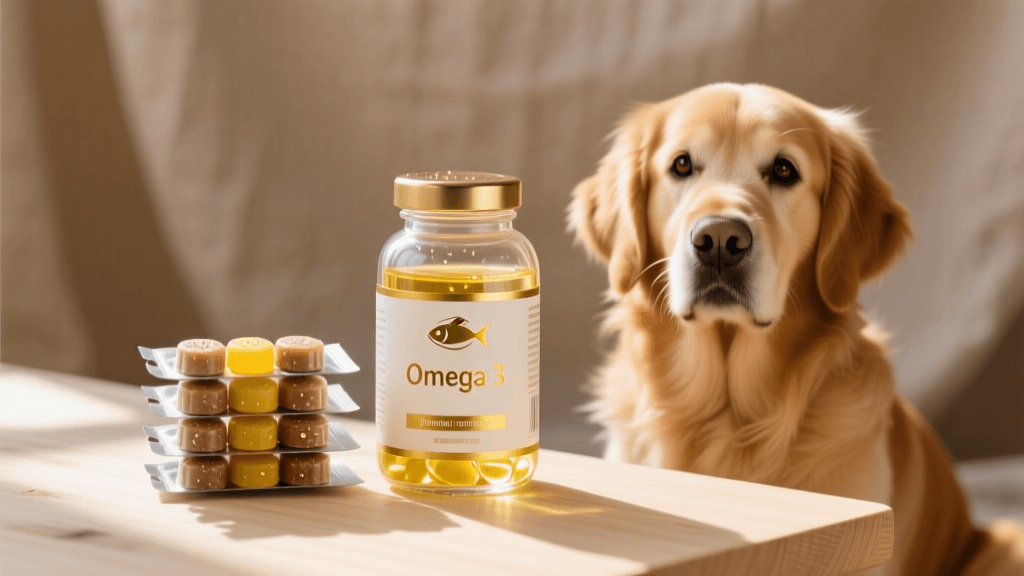
Daily Omega-3 for Dogs in 2026: Top Oils & Chews for Joint Health
Discover the best Omega-3 supplements for your dog's daily routine in 2026. We compare top fish oils and chews for optimal joint and coat health.
The Role of Omega-3 in Your Dog’s Daily Routine
Building a consistent, health-focused daily routine for your dog is one of the most rewarding aspects of pet ownership. While morning walks and evening playtime are staples of the modern dog owner's schedule, nutritional supplementation has become an equally critical pillar of canine wellness. As we move through 2026, veterinary nutritionists are placing unprecedented emphasis on the daily integration of Omega-3 fatty acids to support long-term joint mobility, cognitive function, and skin health.
Unlike humans, dogs cannot efficiently synthesize Omega-3s on their own. They must rely on dietary intake to balance the high levels of Omega-6 fatty acids found in most commercial kibble and raw diets. An imbalance heavily skewed toward Omega-6 can trigger chronic, low-grade inflammation, leading to premature joint degradation and itchy, flaky skin. By introducing a high-quality Omega-3 supplement into your dog's daily feeding ritual, you actively combat this inflammation and set the stage for a vibrant, active life.
EPA vs. DHA: Understanding the 2026 Veterinary Consensus
When shopping for supplements, you will frequently see EPA (eicosapentaenoic acid) and DHA (docosahexaenoic acid) listed on the label. According to the Tufts Cummings Veterinary Medical Center Clinical Nutrition Service, these two marine-derived fatty acids serve distinct but complementary roles in canine biology. EPA is primarily responsible for modulating the inflammatory response, making it the star ingredient for senior dogs suffering from osteoarthritis or dogs with allergic dermatitis. DHA, on the other hand, is crucial for neurological development and retinal health, making it essential for puppies and aging dogs experiencing cognitive decline.
In 2026, the prevailing veterinary recommendation for general maintenance is a combined EPA/DHA dose of roughly 20 to 30 milligrams per kilogram of body weight. For therapeutic joint support, that dosage often scales up to 50 to 75 milligrams per kilogram. However, it is vital to consult your primary veterinarian before initiating therapeutic doses, as excessive Omega-3 intake can occasionally interfere with blood clotting or cause gastrointestinal upset.
Liquid Oils vs. Soft Chews: Which Format Wins?
The supplement market in 2026 offers more delivery methods than ever before. Choosing the right format depends on your dog's palate, your household's multi-pet dynamics, and your personal convenience preferences. Below is a structured comparison of the most popular formats available today.
| Format | Pros | Cons | Best For |
|---|---|---|---|
| Liquid Pump Oil | Precise dosing; easily hidden in wet or dry food; cost-effective for large breeds. | Requires refrigeration after opening; pump mechanisms can occasionally clog. | Multi-pet households; giant breeds; picky eaters who reject pills. |
| Soft Chews | Highly palatable; no mess or fishy odor; convenient for travel and boarding. | More expensive per mg of EPA/DHA; contains extra calories and binding ingredients. | Small to medium breeds; dogs that love treats; owners who travel frequently. |
| Squeeze Bottle Liquid | Pure oil with no mechanical parts to break; often sourced from single-origin fisheries. | Messy if over-squeezed; difficult to measure exact micro-doses for tiny dogs. | Owners who prefer minimalist, single-ingredient supplements. |
| Whole Canned Fish | Whole food matrix; provides natural calcium and protein alongside Omega-3s. | High sodium risk if not packed in water; difficult to calculate exact EPA/DHA. | Raw feeders; dogs needing a high-value meal topper. |
Top Omega-3 Supplements for Dogs in 2026
Based on current market availability, third-party purity testing, and bioavailability, here are the top-performing Omega-3 supplements for dogs this year.
1. Nordic Naturals Omega-3 Pet (Best Overall Liquid)
Nordic Naturals remains a gold standard in the marine oil industry. Their Omega-3 Pet formula is derived from wild anchovies and sardines, which are lower on the food chain and naturally accumulate fewer heavy metals. The oil is processed in a triglyceride form, which the National Institutes of Health (NIH) notes is significantly more bioavailable than the synthetic ethyl ester forms found in cheaper alternatives. The 2026 formula includes a subtle hint of natural lemon flavoring to mask the fishy odor, making it virtually undetectable when mixed into a standard bowl of kibble.
2. Zesty Paws Omega-3 Alaskan Fish Oil Treats (Best Soft Chew)
For dogs who view mealtime as a negotiation, Zesty Paws offers a highly palatable solution. These soft chews utilize Alaskan fish oil combined with flaxseed and biotin. While the EPA/DHA concentration per chew is lower than that of pure liquid oils, the inclusion of biotin provides an added boost for coat health. They are an excellent choice for toy and small breeds where a single pump of liquid oil might cause loose stools. Keep in mind that each chew contains roughly 10 calories, which must be factored into your dog's daily caloric allowance to prevent weight gain.
3. Grizzly Salmon Plus (Best Pump for Multi-Pet Homes)
Grizzly Salmon Plus blends wild Alaskan salmon oil with pollock oil to create a robust profile of both Omega-3 and Omega-6 fatty acids, maintaining a ratio optimized for skin barrier repair. The proprietary pump dispenser is highly durable and designed to withstand the rigors of a busy kitchen counter. For multi-pet households housing everything from a 15-pound terrier to an 80-pound retriever, the pump allows for rapid, customized dosing without the need for measuring spoons or refrigeration between daily meals.
How to Safely Integrate Omega-3 into Daily Meals
Introducing any new fat source into your dog's diet requires a gradual transition. The American Kennel Club (AKC) advises starting with one-quarter of the recommended dose and slowly scaling up over a period of seven to ten days. This slow integration allows your dog's pancreatic enzymes to adjust, minimizing the risk of steatorrhea (fatty, loose stools) or acid reflux.
Pro-Tip for Kibble Feeders: If you feed dry kibble, add a tablespoon of warm (not hot) water to the bowl along with the fish oil. The water helps emulsify the oil, ensuring it coats the kibble evenly rather than pooling at the bottom of the bowl where it might be ignored.
Signs of Oxidation: Protecting Your Investment
Omega-3 fatty acids are highly unstable and prone to oxidation when exposed to heat, light, and oxygen. Feeding rancid fish oil to your dog is counterproductive, as the oxidation process creates free radicals that actually promote cellular damage and inflammation. To protect your investment in 2026, adhere to the following storage rules:
- Refrigerate Immediately: Once the seal is broken, liquid fish oils must be stored in the refrigerator. The cold temperature drastically slows the oxidation process.
- The Smell Test: Fresh marine oil should smell mildly of the ocean or the sea. If the oil smells sharply metallic, overwhelmingly sour, or like rotting fish, it has oxidized and must be discarded immediately.
- Check the Expiration Date: Even unopened bottles have a shelf life. Never purchase bulk quantities that your dog cannot finish within 90 days of opening.
- Opaque Packaging: Only purchase oils housed in dark, opaque bottles. Clear plastic or glass bottles allow UV light to degrade the EPA and DHA molecules long before the bottle is even opened.
Frequently Asked Questions About Canine Omega-3s
Can I just share my human Omega-3 capsules with my dog?
While the active ingredients (EPA and DHA) are identical, human supplements often contain flavorings like lemon or orange essential oils, xylitol (which is highly toxic to dogs), or gelatin capsules that pose a choking hazard for small breeds. Furthermore, human dosages are calibrated for adult human metabolism. It is always safer and more accurate to use a canine-specific product or a pure, unflavored human liquid oil where you can measure the exact milligram dosage.
How long does it take to see results from daily Omega-3 supplementation?
Patience is key. Because Omega-3s work by altering the lipid composition of cell membranes and modulating systemic inflammation, it typically takes 8 to 12 weeks of consistent daily use to see noticeable improvements in coat shine, reduced scratching, or enhanced joint mobility in senior dogs. Consistency in your daily routine is the most critical factor for success.
Conclusion
Integrating Omega-3 fatty acids into your dog's daily routine is one of the most impactful, science-backed decisions you can make for their long-term health. Whether you opt for the precision of a Nordic Naturals liquid pump or the convenience of a Zesty Paws soft chew, the key is consistency. By understanding the vital roles of EPA and DHA, carefully measuring dosages based on your dog's weight, and strictly managing storage to prevent oxidation, you ensure your canine companion remains active, comfortable, and thriving throughout 2026 and beyond.
priya-sutaria
All our authors care for dogs every day — read more of their work on the authors page.