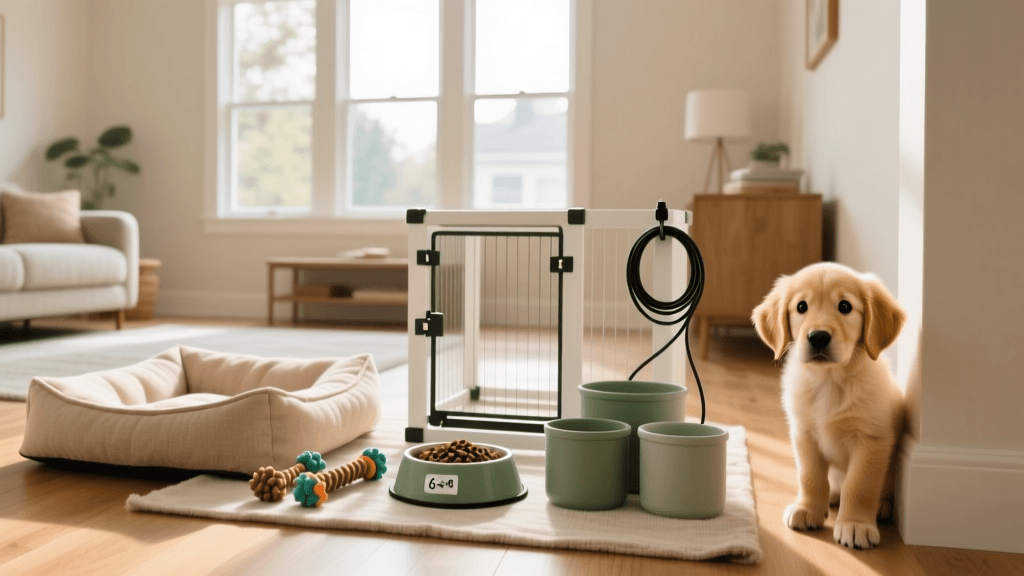
Essential Smart Tech and Gear For Your New Puppy Home
Discover the best smart tech and essential gear to prepare your home for a new puppy. From GPS trackers to smart feeders, get our ultimate shopping list.

Preparing Your Home: The Intersection of Tech and Traditional Gear
Bringing a new dog or puppy into your home is one of life’s most exciting milestones, but it also requires meticulous preparation. The days of simply buying a plastic bowl and a nylon leash are long gone. Today’s modern dog owner has access to an incredible array of smart technology and advanced safety gear designed to make the transition smoother, safer, and more enriching for both you and your new canine companion. According to the Humane Society of the United States, preparing your environment and establishing routines before your dog arrives is critical to preventing behavioral issues and ensuring a safe haven. By integrating smart home technology with high-quality, non-tech safety gear, you can monitor your puppy’s health, prevent destructive chewing, and guarantee their safety from day one.
Smart Tech Essentials for the Modern Dog Owner
GPS Trackers and Smart Collars
One of the greatest fears for any new dog owner is the thought of their pet slipping out of an open door or digging under a fence. GPS tracking collars have revolutionized pet recovery. Devices like the Fi Series 3 Smart Collar and the Whistle GO SAFE attach directly to your dog’s collar or function as the collar itself. These devices utilize low-power LTE-M cellular networks to provide real-time location tracking, far surpassing the limited range of traditional Bluetooth tags.
When setting up your GPS tracker, you can establish 'Safe Zones' (geofences) around your home and yard. If your puppy breaches this perimeter, the app instantly sends an escape alert to your smartphone. Furthermore, smart collars track daily activity and sleep patterns, giving you valuable baseline data on your puppy’s health. The Fi collar, for instance, boasts a battery life of up to three months on a single charge, making it incredibly reliable for forgetful owners. While these devices require a monthly subscription (typically $8 to $12 per month), the peace of mind they offer during the chaotic first few months of puppyhood is invaluable.
Interactive Pet Cameras and Treat Tossers
Puppies require constant supervision, but you cannot be in the same room 24/7. Smart pet cameras bridge this gap, allowing you to monitor your dog’s behavior, intervene when they start chewing on baseboards, and provide comfort when they exhibit signs of separation anxiety. The Furbo 360 Dog Camera and the Petcube Bites 2 are industry leaders in this space. These devices feature 1080p HD video, night vision, and two-way audio.
The standout feature for new puppy owners is the treat-tossing mechanism. Using the companion app, you can remotely launch treats to reward your puppy for calm behavior in their crate or to distract them from a potential hazard. Many of these cameras also include AI-driven 'bark alerts' or 'dog activity alerts,' sending a push notification to your phone if your puppy is crying or moving around excessively while you are at work. This immediate feedback loop allows you to use the two-way audio to soothe your dog or correct unwanted behavior before it becomes an ingrained habit.
Smart Feeders and Hydration Stations
Establishing a strict feeding schedule is vital for housebreaking a new puppy. Puppies thrive on routine, and knowing exactly when they eat helps you predict when they need to go outside to eliminate. Smart feeders, such as the PetSafe Smart Feed Automatic Dog Feeder, allow you to schedule up to 12 meals a day via your smartphone. You can adjust portion sizes from 1/8 cup to 4 cups per meal, ensuring your growing puppy receives the exact caloric intake recommended by your veterinarian.
Additionally, smart feeders are a lifesaver for early morning wake-up calls. Instead of your puppy crying at 5:30 AM for breakfast, the feeder dispenses food automatically, teaching the dog that the machine—not you—is the source of their morning meal. Pair this with a high-quality stainless steel or ceramic water fountain (like the Catit Flower Fountain) to encourage hydration, which is especially important if you are feeding a dry kibble diet.
Non-Tech Safety and Enrichment Gear
Crash-Tested Travel Harnesses and Carriers
While tech gadgets are fantastic, physical safety gear remains non-negotiable. Many pet owners mistakenly believe that any standard harness or plastic carrier will protect their dog in the event of a car accident. Unfortunately, the pet products industry is largely unregulated regarding crash safety. To ensure your new dog is protected, you must look for gear certified by the Center for Pet Safety (CPS).
The CPS conducts rigorous, independent crash testing using specially designed canine crash test dummies. Products that pass their stringent standards earn the 'CPS Certified' seal of approval. The Sleepypod Clickit Sport Harness and the Sleepypod Mobile Pet Bed are consistently top-rated for their dynamic crash testing performance. Investing in a CPS-certified harness (typically $80 to $120) ensures that in the event of a sudden stop or collision, the harness will distribute forces across the dog’s chest and prevent them from becoming a dangerous projectile in the vehicle.
Cognitive Enrichment Toys and Puzzle Feeders
A bored puppy is a destructive puppy. Mental stimulation is just as exhausting for a dog as physical exercise, and it is crucial for cognitive development. The American Kennel Club strongly recommends incorporating puzzle toys and interactive feeders into your puppy’s daily routine to prevent boredom-related behaviors like excessive barking or furniture chewing.
Stock up on a variety of enrichment tools. The classic KONG Puppy Toy is essential; when stuffed with a mixture of wet food, peanut butter (xylitol-free), and kibble, then frozen, it provides up to an hour of engaging, soothing chewing activity. Additionally, snuffle mats and puzzle boards from brands like Outward Hound force your dog to use their natural foraging instincts to 'hunt' for their meals. This slows down fast eaters and provides critical mental enrichment during the crucial developmental windows of early puppyhood.
Budgeting for Your New Dog: Gear and Tech Cost Breakdown
Understanding the financial commitment of equipping your home with both smart tech and premium safety gear is an important part of the decision-making process. Below is a structured breakdown of estimated costs to help you budget effectively before bringing your new dog home.
| Item Category | Specific Product Example | Estimated Upfront Cost | Ongoing / Subscription Cost |
|---|---|---|---|
| GPS Smart Collar | Fi Series 3 or Whistle GO | $100 - $150 | $8 - $12 / month |
| Interactive Pet Camera | Furbo 360 or Petcube Bites | $150 - $250 | $0 - $5 / month (optional cloud) |
| Smart Automatic Feeder | PetSafe Smart Feed | $150 - $200 | $0 |
| Crash-Tested Harness | Sleepypod Clickit Sport | $80 - $120 | $0 |
| Enrichment & Puzzle Toys | KONG Classic, Snuffle Mats | $30 - $60 | $0 |
| Total Estimated Initial Investment | Comprehensive Tech & Safety Kit | $510 - $780 | ~$10 - $17 / month |
Setting Up Your Tech Before Arrival Day
The biggest mistake new owners make is waiting until the puppy is home to unbox and configure their smart devices. Puppies are chaotic, and troubleshooting a Wi-Fi connection while simultaneously stopping a puppy from chewing a power cord is a recipe for frustration.
Actionable Setup Checklist:
- Configure Wi-Fi Bands: Most smart pet feeders and cameras only connect to 2.4GHz Wi-Fi networks, not 5GHz. Ensure you know your router's 2.4GHz SSID and password before setup.
- Test Treat Tossers: Load the camera with the exact size of training treats you plan to use. Some devices jam if the treats are too large or irregularly shaped. Test the throwing distance to ensure it won't hit the puppy in the face.
- Adjust the Smart Collar: Familiarize yourself with the 'two-finger rule.' The collar should be snug enough that the GPS antenna maintains contact with the skin for accurate tracking, but loose enough that you can comfortably slide two fingers between the collar and the puppy’s neck.
- Establish Geofences: Draw your safe zones on the GPS app map. Make the boundary slightly inside your actual property line to account for GPS drift and prevent false escape alerts.
By investing in the right combination of smart technology and rigorously tested safety gear, you are not just buying gadgets; you are building a secure, engaging, and manageable environment. This proactive approach allows you to focus less on worrying about your puppy's safety and more on building a lifelong bond with your newest family member.
beth-carrasco
All our authors care for dogs every day — read more of their work on the authors page.