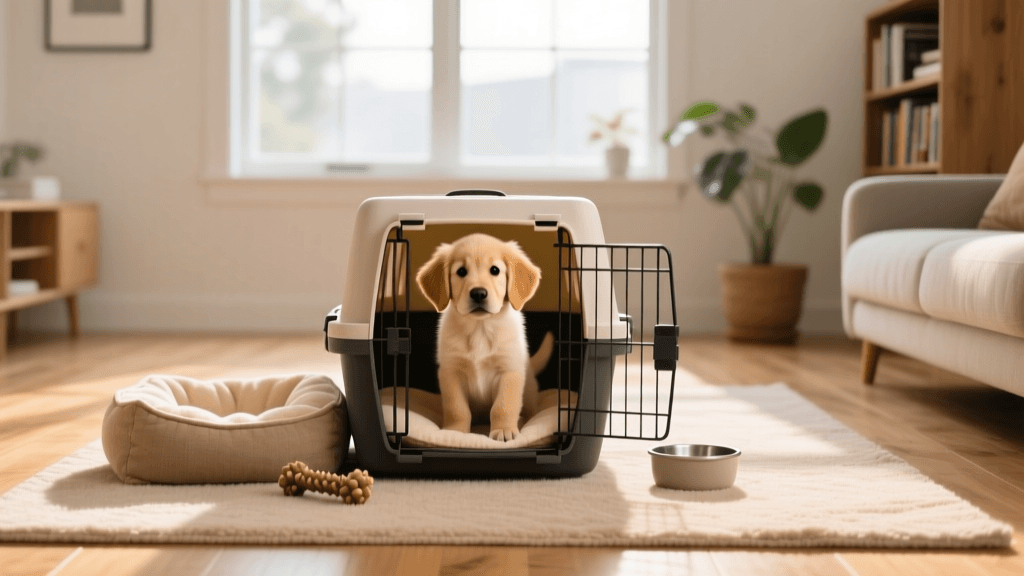
Smart Puppy Potty Training: Best Tech Tools for New Owners
Discover how smart cameras, GPS trackers, and automated feeders can revolutionize your puppy's potty training and safety during their crucial first year.

The Intersection of Technology and Puppy Care
Welcoming a new puppy into your home is one of life’s greatest joys, but the first year of a dog’s life is undeniably demanding. Between teething, early socialization, developmental milestones, and the ever-present challenge of potty training, new owners often feel overwhelmed. Fortunately, the modern era of pet care has introduced a suite of technological tools designed to ease this transition. By integrating smart home devices, GPS tracking, and automated feeding systems into your daily routine, you can create a more predictable, secure, and stress-free environment for both you and your growing puppy.
While traditional methods of positive reinforcement and consistent scheduling remain the bedrock of puppy rearing, technology acts as a powerful multiplier. It provides data-driven insights, remote monitoring, and automated consistency that human owners simply cannot maintain 24/7. In this comprehensive guide, we will explore the best tech tools for modern puppy care, focusing heavily on how these devices can accelerate potty training and ensure outdoor safety.
Smart Cameras: Your Eyes on the Potty Dance
One of the most critical aspects of potty training is recognizing your puppy's physical cues before an accident happens. Puppies typically exhibit a 'potty dance'—circling, sniffing the ground intensely, or whining near the door. However, you cannot be in the same room every second of the day. This is where smart indoor cameras become invaluable.
Top Camera Picks and Features
- Wyze Cam v3 (Approx. $35): An affordable, high-definition indoor/outdoor camera with color night vision and motion tracking. It is perfect for monitoring a puppy’s playpen or crate area.
- Furbo 360 Dog Camera (Approx. $169): A premium pet-specific camera that offers 360-degree viewing, auto-tracking, and a treat-tossing feature. It also includes 'Doggie Lullabies' and alerts for barking or vomiting.
- Ring Indoor Cam (Approx. $59): Easily integrates with existing smart home ecosystems and offers excellent two-way audio and privacy covers.
Strategic Placement for Potty Training
To maximize the effectiveness of your smart camera, place it at floor level or on a low shelf overlooking the puppy’s primary indoor play area or puppy pad zone. Enable 'Activity Zone' alerts on your smartphone so you receive a push notification the moment your puppy enters the designated potty area or begins circling in a carpeted zone. According to the American Kennel Club, catching a puppy in the act and immediately redirecting them outside is the most effective way to build a reliable potty habit. Smart cameras allow you to 'catch' them even when you are in another room, allowing you to use the two-way audio to gently interrupt the behavior with a calm 'Ah-ah!' before rushing them outdoors.
GPS Trackers and Smart Collars for Outdoor Safety
Puppies are notoriously curious and surprisingly fast. During outdoor potty breaks, a slipped collar or an open gate can lead to a terrifying escape. GPS-enabled smart collars provide real-time location tracking and virtual boundaries, ensuring your puppy is safe while they explore their new world.
Geofencing the Potty Zone
Modern GPS trackers allow you to set up 'Safe Zones' or geofences around your backyard or local park. If your puppy breaches this virtual boundary, your phone instantly alerts you. This is particularly useful during the early recall-training phases when puppies are allowed off-leash exploration in semi-secure areas.
- Fi Series 3 Smart Collar (Approx. $149 + $99/year subscription): Offers industry-leading battery life (up to 3 months on a single charge) and uses LTE-M technology for superior coverage. It also tracks daily steps and sleep patterns, which are vital indicators of a puppy's health and development.
- Whistle GO (Approx. $129 + $99/year subscription): Combines GPS tracking with advanced health monitoring, including scratch and lick detection, which can help identify early signs of allergies or skin irritations common in a puppy's first year.
Automated Feeders: The Secret to Predictable Digestion
The golden rule of puppy potty training is that predictable input leads to predictable output. Free-feeding (leaving a bowl of kibble out all day) makes it nearly impossible to anticipate when your puppy will need to eliminate. Automated smart feeders solve this by dispensing exact portions at precise times, regulating your puppy's digestive clock.
Scheduling Meals Around Potty Breaks
Puppies under six months typically require three to four meals a day. A device like the PetSafe Smart Feed Automatic Dog Feeder (Approx. $150) allows you to program micro-meals via a smartphone app. By scheduling a meal at 7:00 AM, you can reliably predict that your puppy will need a major potty break between 7:45 AM and 8:15 AM. This biological predictability drastically reduces indoor accidents and helps establish a robust outdoor routine. Furthermore, smart feeders often include slow-feed settings, which prevent puppies from inhaling their food too quickly, thereby reducing the risk of bloat and regurgitation.
Comparison Chart: Top Tech Tools for Puppy Owners
To help you budget and prioritize your puppy tech investments, refer to the comparison table below:
| Device Category | Top Brand Example | Average Upfront Cost | Subscription Fee | Primary Puppy Benefit |
|---|---|---|---|---|
| Smart Pet Camera | Furbo 360 | $169 | Optional ($6.99/mo) | Catching potty cues & monitoring separation anxiety |
| Budget Camera | Wyze Cam v3 | $35 | Optional ($2.99/mo) | Affordable 24/7 visual monitoring of crate/playpen |
| GPS Smart Collar | Fi Series 3 | $149 | Required ($8.25/mo) | Escape alerts & tracking outdoor potty walks |
| Smart Feeder | PetSafe Smart Feed | $150 | None | Regulating digestion for predictable potty times |
| Smart Dog Door | SureFlap Microchip | $149 | None | Controlled outdoor access for older, partially-trained puppies |
Monitoring Separation Anxiety and Crate Training
The first year is also when puppies learn to be alone. Crate training is essential, but it can be stressful. The ASPCA notes that separation anxiety can manifest early if puppies are not gradually acclimated to alone time. Smart cameras with two-way audio and treat dispensing allow you to monitor your puppy’s stress levels in real-time. If you notice your puppy pacing, panting heavily, or crying in their crate, you can use the camera's audio to offer a soothing voice, or toss a high-value treat to redirect their focus. However, experts caution against using two-way audio if it causes the puppy to become more frantic searching for you; in those cases, simply observing and timing your return for a moment of calm is the better behavioral strategy.
A Tech-Assisted Daily Potty Routine
Integrating these tools into a cohesive daily schedule yields the best results. Here is a sample tech-assisted routine for a 4-month-old puppy:
- 6:30 AM: Smart feeder dispenses breakfast. Camera alerts you when the puppy finishes eating.
- 7:00 AM: Leash the puppy (with GPS collar active) and take them to the designated outdoor potty spot. Use a consistent verbal cue like 'Go potty'.
- 7:15 AM: Return inside. Puppy enters the playpen. Camera is set to monitor the playpen zone.
- 9:00 AM: Mid-morning nap in the crate. Camera monitors for whining; you return to let them out for a quick potty break the moment they wake up.
- 12:00 PM: Smart feeder dispenses lunch. Repeat the 30-minute post-meal outdoor potty protocol.
Balancing Technology with Traditional Bonding
While technology offers unprecedented convenience and safety, it is crucial to remember that gadgets cannot replace the foundational bond between a dog and their owner. The American Veterinary Medical Association emphasizes that hands-on socialization, physical exercise, and positive reinforcement training are irreplaceable components of early canine development. Use smart cameras to observe, not to interact exclusively. Use GPS trackers to ensure safety, but rely on your own recall training to build obedience. Use automated feeders to manage digestion, but continue to hand-feed portions of your puppy's kibble during training sessions to build focus and trust.
Ultimately, the goal of modern dog care technology is not to automate your relationship with your puppy, but to remove the friction and anxiety from the rearing process. By leveraging smart cameras, GPS trackers, and automated feeders, you can navigate the chaotic first year of your puppy's life with confidence, ensuring they grow into a well-adjusted, reliably trained, and deeply loved adult dog.
hannah-wickes
All our authors care for dogs every day — read more of their work on the authors page.