Puppy-Proofing Your Home: The Ultimate Room-by-Room Safety Guide
Discover essential puppy-proofing tips to create a safe home environment. Learn room-by-room strategies, product recommendations, and hazards to avoid.

Bringing a new puppy home is an exhilarating milestone, but a curious pup sees your living space as an all-you-can-eat buffet and an adventure park combined. Puppies explore the world primarily through their mouths, and their sharp little teeth can easily destroy household items or, worse, ingest something highly toxic. According to the ASPCA Animal Poison Control Center, thousands of pets are exposed to household toxins every year, many of which could be entirely prevented with proactive puppy-proofing.
To ensure your furry friend's first year is safe, healthy, and happy, you need to view your home from a puppy's perspective. Get down on your hands and knees to spot hazards at their eye level. This comprehensive, room-by-room guide will help you secure your home environment, complete with specific product recommendations, measurements, and estimated costs to help you budget for your new arrival. Start this process at least two weeks before bringing your puppy home.
The Kitchen: The Highest Risk Zone
The kitchen is arguably the most dangerous room in the house for a new puppy. Between dropped food, accessible trash, and harsh cleaning chemicals, the hazards are abundant.
Securing Trash and Food
Puppies are notorious scavengers. Ingesting cooked bones, fatty scraps, or foods containing xylitol (a common artificial sweetener) can lead to fatal gastrointestinal blockages or toxic reactions.
- Trash Cans: Ditch the step-on or open-top bins. Invest in a locking trash can, such as the Simplehuman Locking Trash Can (approximately $80 to $130), or install a magnetic child-proof lock (around $15) on the cabinet door where you hide your bin.
- Food Storage: Never leave bread, fruit, or snacks on low countertops. Puppies can easily pull down hanging fruit baskets or jump onto standard 36-inch kitchen counters if motivated.
Cleaning Supplies and Toxins
Bleach, ammonia, and oven cleaners must be moved to upper cabinets. If you must store them under the sink, install heavy-duty sliding door locks or magnetic latches. Ensure all dishwasher pods and laundry detergents are kept in sealed, elevated containers, as their bright colors look like toys to a puppy.
The Living Room: Chewing and Choking Hazards
Your living room is where your puppy will likely spend most of their waking hours. This space is full of electrical hazards and choking risks.
Electrical Cord Management
Chewing on a live wire can cause severe oral burns, electrocution, or even house fires.
- Cord Concealers: Use split loom tubing (1/2-inch diameter, roughly $12 for 10 feet) or rigid PVC cord covers to encase TV and lamp wires.
- Power Strips: Mount power strips to the side of furniture or use a specialized power strip cover box (about $20) to prevent access to the plugs and prongs.
- Unplug When Not in Use: Make it a habit to unplug phone chargers and laptop cords when you leave the room.
Houseplants and Decor
Many popular houseplants are highly toxic to dogs. Sago palms, lilies, pothos, and dieffenbachia can cause liver failure, kidney damage, or severe oral irritation. Before bringing a puppy home, audit your greenery. You can cross-reference your indoor and outdoor plants using the comprehensive database provided by the ASPCA Toxic and Non-Toxic Plants list. Replace toxic plants with pet-safe alternatives like spider plants, Boston ferns, or calatheas.
The Bathroom and Laundry Room
These rooms contain concentrated chemicals and drowning hazards.
Toilets and Tubs
Puppies can easily fall into an open toilet bowl and drown, or drink from it, exposing themselves to harmful bacteria or toxic toilet bowl cleaners. Keep the toilet lid closed at all times and consider installing a simple toilet lid lock ($10). Never leave a puppy unattended in a bathroom with a tub filled with water.
Medications and Cosmetics
Keep all human medications, vitamins, and supplements in high cabinets. Dropped pills are a leading cause of pet poisoning. According to the Pet Poison Helpline, over-the-counter painkillers like ibuprofen and acetaminophen are exceptionally dangerous to dogs, even in small doses. Keep cosmetics, hair ties, and cotton swabs in closed drawers, as swallowed hair ties can cause severe intestinal blockages requiring emergency surgery.
The Home Office and Bedroom
Personal items and electronics in these rooms pose unique risks.
Shoes, Clothes, and Small Items
Puppies love the scent of their owners, making shoes and laundry prime chewing targets. Swallowed socks or underwear can easily become lodged in a puppy's digestive tract.
- Use a closed hamper with a secure lid.
- Keep shoes inside a closet with a latching door or on a high shoe rack (at least 24 inches off the ground).
- Sweep the floor daily for coins, rubber bands, and children's toys (like LEGO bricks), which are perfect choking hazards.
Desk and Wire Management
Home offices are notorious for dangling wires. Use zip ties to bundle cables together and secure them to the desk legs out of reach. Ensure that desk chairs with rolling casters are pushed in, as puppies can easily get their paws or tails caught in the wheels.
Outdoor Spaces: Yards and Garages
Your backyard should be a sanctuary, but it requires rigorous inspection.
Fencing and Escape Routes
Walk the entire perimeter of your fence. Look for gaps wider than 3 inches. If you have a digger breed (like a Terrier or Husky), bury 1/2-inch galvanized hardware cloth about 12 inches deep along the fence line and bend it outward in an L-shape to prevent tunneling escapes. Ensure gate latches are secure and cannot be nudged open by a clever nose.
Garage and Garden Chemicals
The garage is a treasure trove of deadly substances. Antifreeze (ethylene glycol) has a sweet taste that attracts dogs but is fatally toxic. Always clean up spills immediately and consider switching to a propylene glycol-based antifreeze, which is safer for pets. Store fertilizers, pesticides, and snail baits (which often contain the deadly neurotoxin metaldehyde) on high shelves or in locked cabinets. Never use cocoa bean mulch in your garden beds, as it contains theobromine, the same toxic compound found in chocolate.
Puppy-Proofing Supply Checklist and Cost Estimates
To help you prepare, here is a structured checklist of essential puppy-proofing supplies and their average costs. Budgeting for these items upfront will save you thousands in potential veterinary bills.
| Item | Purpose | Estimated Cost | Priority Level |
|---|---|---|---|
| Locking Trash Can or Cabinet Locks | Prevents scavenging and ingestion of toxic foods | $15 - $130 | Critical |
| Split Loom Tubing / Cord Covers | Protects against electrocution and wire chewing | $12 - $25 | Critical |
| Magnetic Child Latches | Secures cabinets containing chemicals and meds | $20 - $35 | Critical |
| Toilet Lid Lock | Prevents drowning and drinking toxic bowl cleaners | $8 - $15 | High |
| Galvanized Hardware Cloth (1/2 in.) | Reinforces fence lines against digging escapes | $30 - $50 | Moderate |
| Baby Gates (Pressure or Hardware Mounted) | Restricts access to high-risk rooms like kitchens | $40 - $80 | High |
Establishing Safe Zones and Crate Training
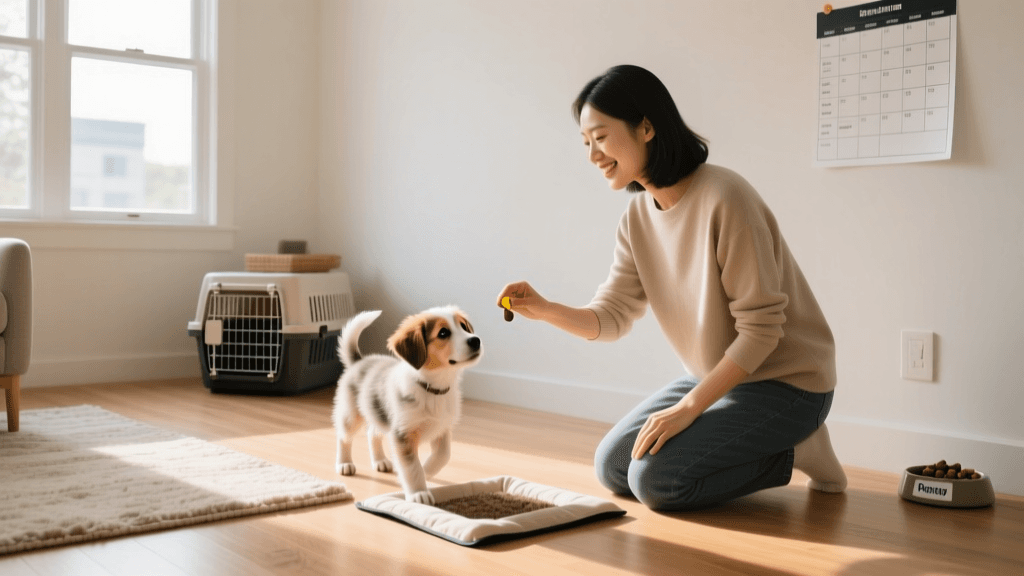
Even with the most meticulous puppy-proofing, you cannot eliminate every hazard. This is why establishing a safe zone is crucial. Use a sturdy, appropriately sized wire or plastic crate as your puppy's den. When you are cooking, showering, or otherwise unable to actively supervise your pup, they should be in their crate or a fully puppy-proofed pen.
Pro Tip: Supervision is the ultimate puppy-proofing tool. A puppy should never be given free roam of the house during their first year. Freedom must be earned gradually as they demonstrate reliable chewing and potty habits.
By taking the time to secure your home environment, you are setting your puppy up for a safe, confident, and happy first year. Remember that puppy-proofing is not a one-time task; as your dog grows, their reach and abilities will change, requiring you to continually reassess and adapt your home's safety measures.
robin-maitland
All our authors care for dogs every day — read more of their work on the authors page.