Essential Smart Gear and Tech for Your New Dog's First Week
Discover the best smart home tech, GPS trackers, and essential gear to prepare your house and keep your new dog safe during their crucial first week.

Welcome to the Modern Era of Dog Ownership
Bringing a new dog or puppy into your home is a life-changing event filled with joy, companionship, and, inevitably, a fair amount of chaos. While traditional advice often focuses on basic bowls and leashes, the modern dog owner has access to an incredible array of smart home technology, advanced gear, and specialized equipment designed to make the transition smoother for both human and hound. The first week is a critical period for establishing routines, ensuring safety, and building trust. By leveraging the right tech and equipment, you can mitigate common first-week hurdles like separation anxiety, house-training accidents, and destructive chewing.
In this comprehensive gear and tech guide, we will explore the essential equipment you need to dog-proof your smart home, monitor your new companion, and establish a healthy routine from day one. Whether you are adopting a high-energy rescue or bringing home a purebred puppy, integrating these tools will set the foundation for a lifetime of good behavior and peace of mind.
Smart Home Proofing: Securing the Environment
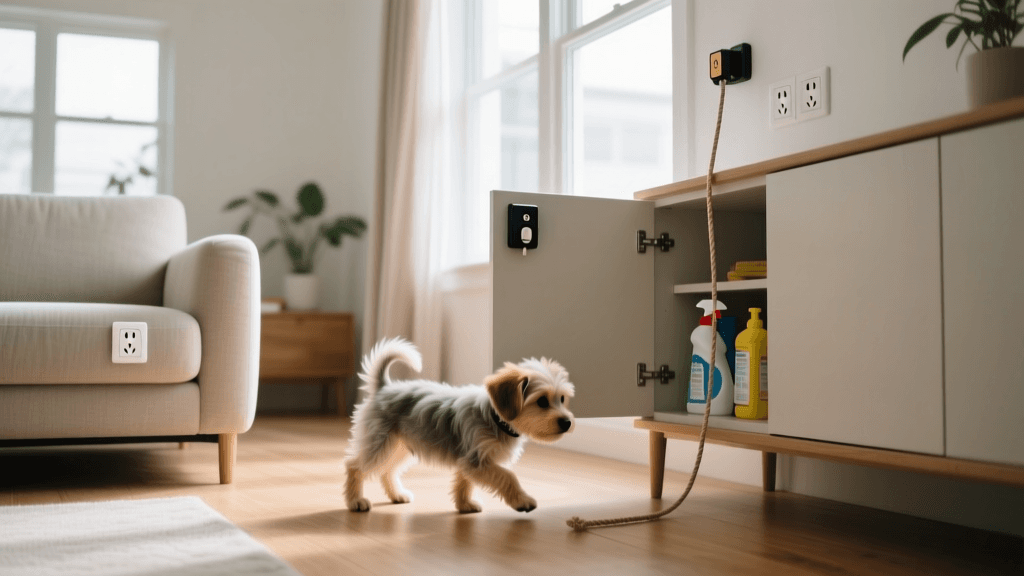
Before your new dog's paws ever touch your floors, your home needs to be prepared. Puppies and anxious adult dogs explore the world with their mouths, which puts your electronics and their safety at risk. According to the ASPCA's guide to pet-proofing your home, securing electrical cords and removing access to toxic substances are top priorities. Here is how you can use smart home tech to achieve this:
Smart Plugs for Hazard Management
Invest in a multi-pack of smart plugs (such as the Kasa Smart Plug Mini or Wyze Plug). These affordable devices (typically around $15 to $25 for a pack of four) allow you to cut power to floor lamps, space heaters, or decorative lighting from your smartphone. If you leave the house and realize you forgot to unplug a lamp near the puppy's playpen, a simple tap on your phone prevents a potential chewing hazard and fire risk.
Robot Vacuums and Scheduling
A new dog means new messes, but the noise of a vacuum can trigger severe anxiety in a dog adjusting to a new environment. A robot vacuum like the Roborock or iRobot Roomba is a game-changer. The key tech feature here is geofencing and scheduling. Set the vacuum to run only when your phone's GPS shows you have left the house. This keeps your floors free of dog hair and dropped kibble without terrorizing your new pet with loud, unpredictable noises while they are trying to nap.
The Essential Tech Stack for Puppy Safety
Once the physical environment is secured, you need visibility. The first week is when dogs are most likely to slip out of an unfamiliar door or get into trouble when left alone in a room.
GPS Trackers and Smart Collars
A standard ID tag is essential, but a GPS tracker provides real-time peace of mind. Devices like the Fi Series 3 Smart Dog Collar or the Whistle Go Explore attach securely to your dog's harness or collar. These devices utilize cellular networks and satellite GPS to track your dog's location and monitor their daily activity levels. Expect to pay between $100 and $130 for the hardware, plus a monthly subscription fee of $8 to $10. During the first week, setting up a 'safe zone' geofence around your property will trigger an instant alert to your phone if your new dog manages to bolt out the front door.
Indoor Pet Cameras with Two-Way Audio
Leaving your new dog alone for the first time is stressful. A dedicated pet camera allows you to monitor their adjustment to solitude. While standard security cameras work, pet-specific tech like the Furbo 360 or the Wyze Cam v3 offers specialized features. The Furbo includes a treat-tossing mechanism and 'dog activity alerts' that notify you if your pet is barking or moving around excessively. The Wyze Cam v3 is a budget-friendly alternative (under $40) that offers excellent night vision and two-way audio, allowing you to soothe a whining puppy with your voice while you are in another room or at work.
Physical Gear: Beyond the Basic Bowls
While tech provides oversight, high-quality physical gear provides structure. The American Kennel Club's puppy supplies checklist emphasizes the importance of a proper crate and designated eating areas to foster security and routine.
Collapsible and Escape-Proof Crates
Traditional wire crates can be clunky and difficult to clean. Modern gear solutions like the Diggs Revol crate offer a diamond-shaped wire mesh that prevents paws from getting stuck, alongside a collapsible design that makes it easy to move from the bedroom to the living room. For heavy chewers, consider the Impact Dog Crate, which is constructed from aircraft-grade aluminum and offers a secure, den-like environment that significantly reduces escape attempts and associated injuries.
Smart Feeders for Digestive Health
Sudden changes in diet and feeding schedules can lead to gastrointestinal upset in new dogs. The FDA's resources on caring for your pet highlight the importance of consistent nutrition and feeding routines. A smart feeder, such as the PETLIBRO Automatic Pet Feeder with a camera, allows you to schedule precise, micro-portioned meals. This is especially useful for puppies that require three to four small meals a day, or for dogs that tend to inhale their food and suffer from bloat. By automating the feeding schedule, you also teach the dog that the machine—not just you—is a source of food, which can help reduce separation anxiety when you are not home.
First-Week Gear Budget and Comparison Table
To help you prioritize your spending, here is a structured breakdown of essential gear and tech for your dog's first week, categorized by priority and estimated cost.
| Equipment / Tech | Primary Purpose | Estimated Cost | Priority Level |
|---|---|---|---|
| Smart Plugs (4-pack) | Remote power control for hazard prevention | $20 - $25 | High (Safety) |
| GPS Smart Collar (e.g., Fi) | Location tracking and escape alerts | $130 + $8/mo | High (Safety) |
| Pet Camera (e.g., Wyze v3) | Visual monitoring and two-way audio | $35 - $50 | Medium (Peace of Mind) |
| Escape-Proof Crate (e.g., Diggs) | Safe confinement and house training | $350 - $400 | High (Training) |
| Smart Automatic Feeder | Portion control and routine building | $100 - $150 | Medium (Health/Routine) |
| Robot Vacuum (e.g., Roomba) | Automated cleaning without noise anxiety | $250 - $400 | Low (Convenience) |
Interactive Tech for Mental Stimulation
A tired dog is a good dog, but physical exercise alone is not enough, especially for puppies with developing joints or senior rescue dogs. Mental stimulation burns energy just as effectively. Incorporate interactive tech toys into your first-week gear lineup to keep your dog engaged when you need to work or cook dinner.
- Smart Ball Launchers: Devices like the iFetch or PetSafe Automatic Ball Launcher allow dogs to play fetch independently. Caution: Only introduce these after the first week once the dog understands basic drop commands to prevent obsessive behavior.
- Automated Laser and Feather Toys: For smaller breeds or high-prey-drive dogs, automated moving toys provide excellent mental engagement. Ensure you always end the play session with a physical treat or chew toy so the dog experiences a 'catch' and avoids frustration.
- Snuffle Mats and LickiMats: While low-tech, these are essential gear items. Spreading peanut butter or wet food on a LickiMat and freezing it provides a soothing, endorphin-releasing activity that is perfect for crate training and calming a dog down before bedtime.
Establishing Boundaries with Invisible Tech
Finally, managing where your new dog is allowed to roam is crucial for their safety and your sanity. While physical baby gates are a staple, they can be cumbersome to step over constantly. Consider integrating ultrasonic pet deterrents or smart indoor boundary systems. Devices like the PetSafe Pawz Away Pet Barrier use a wearable collar tag and a small transmitter puck to create an invisible, adjustable boundary around specific areas, such as the kitchen trash can or a room with delicate electronics. When the dog approaches, the puck emits a harmless static correction or beep, teaching them to avoid the area without you having to constantly yell or intervene.
Conclusion: Investing in a Smooth Transition
The first week with a new dog is a whirlwind of emotions and adjustments. By thoughtfully selecting and integrating smart home technology, GPS tracking, and modern physical gear, you are doing more than just buying gadgets; you are building a structured, safe, and responsive environment. This proactive approach reduces household stress, accelerates training, and ensures that your new furry family member feels secure from the very first moment they walk through the door. Evaluate your specific home layout, your dog's age and breed characteristics, and your budget to choose the tech stack that best supports your new life together.
beth-carrasco
All our authors care for dogs every day — read more of their work on the authors page.