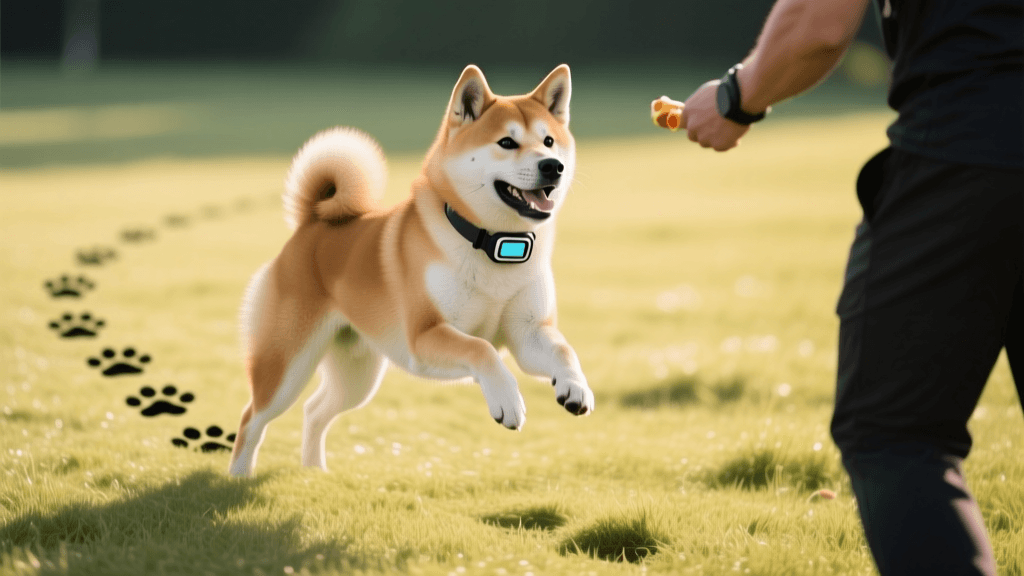
Training Shikoku Inu Recall: Primitive Spitz Guide 2026
Master Shikoku Inu recall training in 2026 with our Premack protocol, GPS tracking tips, and primitive Spitz socialization techniques.
The Shikoku Inu: Japan's Ancient Boar Hunter
The Shikoku Inu, designated as a living natural monument in Japan, is experiencing a massive surge in global popularity as exotic breed enthusiasts seek alternatives to the ubiquitous Shiba Inu. According to the FCI Breed Standard, this medium-sized Spitz was historically bred to hunt wild boar in the mountainous regions of Kochi Prefecture. Bringing a Shikoku into a Western home in 2026 requires a profound shift in training paradigms. Unlike the Golden Retriever or the Border Collie, the Shikoku possesses a primitive, highly independent brain structure. They are not inherently disobedient; rather, their survival instincts prioritize environmental scanning and prey acquisition over human approval.
As we navigate the dog training landscape in 2026, the American Kennel Club notes that primitive breeds require specialized behavioral conditioning. Traditional obedience training, which relies heavily on repetitive drills and food luring, frequently fails with the Shikoku Inu. To achieve a reliable off-leash recall, owners must abandon the concept of 'commanding' and instead embrace 'negotiating' through advanced behavioral psychology and modern technology.
Why Traditional Obedience Fails Primitive Breeds
The core issue with training exotic Spitz breeds is their low 'biddability'—a trait that measures a dog's innate desire to work in partnership with a human. When a Shikoku spots a deer or a fast-moving squirrel, their prey drive sequence (eye, stalk, chase, grab, kill) activates instantly. In this state, the auditory processing centers of their brain effectively tune out human voices. Shouting 'come' while a Shikoku is in a chase sequence is not just ineffective; it actively poisons the recall cue, teaching the dog that the word 'come' is meaningless background noise.
To counter this, 2026's leading veterinary behaviorists advocate for the Premack Principle combined with rigorous impulse control protocols. You must become more rewarding than the environment, which requires a strategic approach to reinforcers and the judicious use of modern tracking technology.
The 2026 Recall Training Toolkit
Before initiating a recall protocol, you must assemble the correct gear. Relying on standard nylon leashes and generic kibble will result in failure. Here is the essential 2026 toolkit for primitive breed recall:
- 30-Foot Biothane Long Line (15mm width): Biothane is waterproof, durable, and doesn't burn your hands during sudden lunges. Expect to pay around $85 to $120 for a high-quality, custom-riveted Biothane line in 2026.
- GPS Tracking Collar: With the expansion of 2026 satellite networks, devices like the Garmin Alpha series offer pinpoint accuracy in dense forests. A GPS collar is non-negotiable for primitive breeds; it is your safety net when visual contact is lost.
- High-Value Biological Reinforcers: Freeze-dried venison, raw tripe, or whole sardines. The treat must have a strong olfactory footprint to break through the dog's environmental fixation.
- Flirt Pole with Bungee Cord: Essential for simulating prey drive in a controlled environment, allowing you to practice 'drop' and 'recall' cues mid-chase.
Step-by-Step Premack Recall Protocol
The Premack Principle, often called 'Grandma's Rule,' dictates that a high-probability behavior (chasing a squirrel) can be used to reinforce a low-probability behavior (returning to the owner). Here is how to apply it to your Shikoku Inu.
Phase 1: The Engagement Baseline (Weeks 1-3)
Begin in a low-distraction environment. Allow your Shikoku to sniff and explore on the 30-foot long line. When they voluntarily look back at you, mark the behavior with a clicker or a verbal 'yes' and toss a high-value treat away from you. This teaches the dog that checking in with you triggers the reward, but it doesn't end their exploration time.
Phase 2: The 'Catch and Release' Recall (Weeks 4-8)
Wait for your dog to engage with a mild distraction (e.g., sniffing a bush). Call them using your recall cue. When they return, engage in a 10-second game of tug or feed a high-value treat, and then immediately give a release cue ('go play!') that allows them to return to the bush. The Shikoku learns that recall is not the end of their fun; it is merely a toll they pay to continue their adventure.
Phase 3: Environmental Proofing (Months 3-6)
Gradually introduce higher-value distractions. Use the flirt pole to simulate prey. Let the dog chase the lure, then give your recall cue. If they return, the ultimate reward is being released to chase the lure again. This rewires the primitive brain to view the handler as the gateway to the hunt, rather than the barrier preventing it.
Exotic Spitz Breed Comparison: Prey Drive & Trainability
Understanding where the Shikoku sits among other international Spitz breeds helps contextualize their training needs. The table below outlines the behavioral baselines for popular exotic Spitz breeds in 2026.
| Breed | Origin | Prey Drive Index (1-10) | Biddability | Primary Recall Strategy |
|---|---|---|---|---|
| Shikoku Inu | Japan | 9 | Low | Premack Principle & GPS Fencing |
| Shiba Inu | Japan | 7 | Low-Medium | Food Luring & Capturing |
| Kishu Ken | Japan | 10 | Very Low | Strict Long-Line & E-Collar TENS |
| Akita Inu | Japan | 8 | Medium | Respect-Based Bonding & Socialization |
| Jindo | South Korea | 9 | Low | Loyalty Exploitation & Territory Recall |
Trainer's Note: The 'Prey Drive Index' is a subjective metric based on 2026 behavioral assessments of exotic breeds in urban environments. A score of 9 or 10 indicates that off-leash privileges in unfenced areas should never be granted without a GPS tracker and rigorous proofing.
E-Collar Conditioning: A Modern 2026 Approach
For primitive breeds with a prey drive index above 8, an electronic collar is often a necessary tool for ensuring their safety in open spaces. However, the methodology has evolved drastically. The American Veterinary Society of Animal Behavior strongly advocates for humane, force-free methodologies, and modern e-collar training aligns with this when used correctly. In 2026, we do not use e-collars to punish a dog for ignoring a command. Instead, we use them as a tactile cue—similar to a tap on the shoulder—using low-level TENS (Transcutaneous Electrical Nerve Stimulation) technology.
The conditioning process involves pairing the lowest perceptible tap with a high-value reward. The dog learns that the sensation means 'return to the handler to turn off the tap and get a reward.' When a Shikoku locks onto a deer and their auditory processing shuts down, the tactile tap cuts through the sensory overload, reminding them of the Premack contract they have learned.
Urban Socialization and Muzzle Conditioning
Recall is only half the battle for the exotic Spitz owner. The Shikoku Inu is notoriously aloof with strangers and can be dog-selective or reactive. Urban socialization in 2026 requires proactive management to prevent behavioral fallout.
The 14-Day Muzzle Desensitization Schedule
A well-fitted basket muzzle, such as the Baskerville Ultra, is an essential piece of gear for off-leash hikes where unexpected wildlife or off-leash dogs may appear. Muzzle conditioning must be entirely positive.
- Days 1-3: Smear high-value paste (like goat milk or peanut butter) inside the muzzle. Let the dog lick it out without strapping it on.
- Days 4-7: Hold the muzzle against their face while feeding treats through the front grill. Release before they show discomfort.
- Days 8-11: Fasten the muzzle for 5 seconds, treat heavily, and remove. Gradually increase duration to 5 minutes.
- Days 12-14: Wear the muzzle on short, highly rewarding sniffaris. The dog must associate the muzzle with the freedom to explore.
The 'Look at That' (LAT) Protocol
When encountering strange dogs on urban trails, use the LAT protocol. The moment your Shikoku spots a trigger (e.g., a reactive terrier 50 feet away), mark the behavior and feed a treat. You are rewarding the dog for noticing the trigger and choosing to look back at you for the reward, rather than engaging in a primitive stare-down or aggressive display. Over time, the threshold distance can be decreased as the dog's emotional response shifts from arousal to anticipation of a treat.
Conclusion: Patience and Partnership
Training a Shikoku Inu for reliable recall is not a weekend project; it is a lifelong partnership built on mutual respect and advanced behavioral management. By leveraging the Premack Principle, utilizing 2026's advanced GPS tracking technology, and respecting their primitive instincts, you can safely share the world with Japan's most majestic boar hunter. Remember that with exotic breeds, management is just as important as training. Always know your dog's limits, respect their prey drive, and celebrate the small victories on the path to off-leash freedom.
robin-maitland
All our authors care for dogs every day — read more of their work on the authors page.