Senior Dog Wheelchair Transition & Mobility Care 2026
Guide your senior dog through a wheelchair transition in 2026. Learn fitting, behavioral training, and home mods for a joyful, mobile new chapter.
Embracing a New Chapter: The Mobility Transition
Life transitions are an inevitable part of the journey we share with our canine companions. From the chaotic puppy months to the serene senior years, each phase brings unique joys and challenges. However, one of the most emotionally taxing transitions a pet parent can face is watching their once-active dog lose their natural mobility. Whether due to degenerative myelopathy, severe osteoarthritis, intervertebral disc disease (IVDD), or a traumatic injury, the loss of hind-leg or full-body function is a profound life shift. Yet, as veterinary medicine and adaptive technology have advanced, this transition no longer signals the end of your dog’s active life. In 2026, transitioning a senior or disabled dog to a wheelchair is a highly manageable, rewarding process that restores their independence, mental stimulation, and overall wellbeing. This comprehensive guide will walk you through the physical, emotional, and environmental adjustments required to help your dog embrace their new wheels with confidence and joy.
Recognizing the Need for a Mobility Cart
Before investing in a mobility device, it is crucial to confirm that a wheelchair is the appropriate intervention for your dog's specific condition. According to the American Veterinary Medical Association (AVMA), proactive mobility management should always begin with a thorough veterinary evaluation. Signs that your dog may benefit from a cart include dragging their hind paws, knuckling over their toes, severe fatigue after short walks, or an inability to stand unassisted. Your veterinarian will likely perform a neurological exam and orthopedic imaging to rule out treatable conditions that might require surgery instead of, or prior to, wheelchair use. Once your vet confirms that a mobility cart is the best path forward, you can begin the selection process.
Choosing the Right Wheelchair in 2026
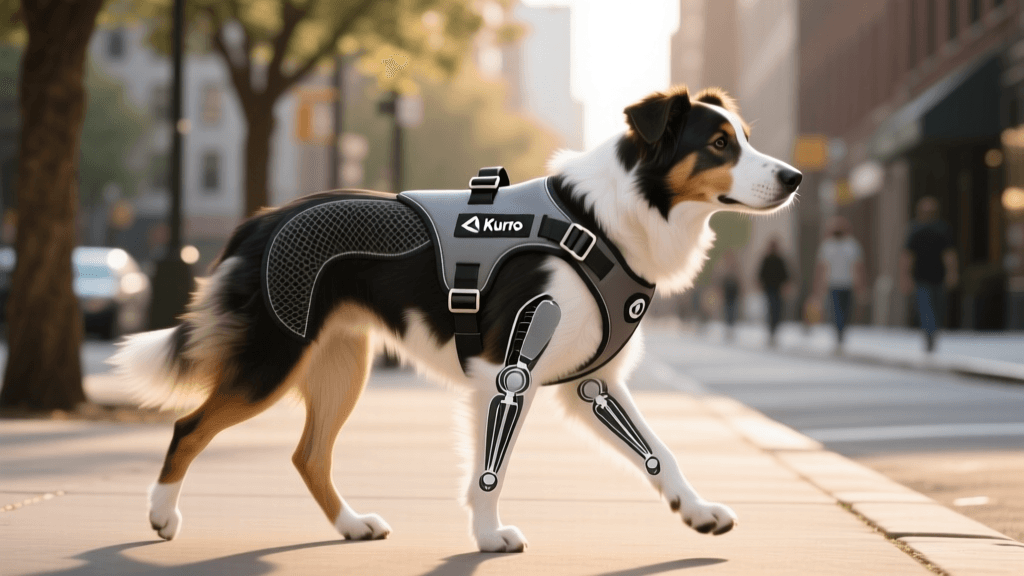
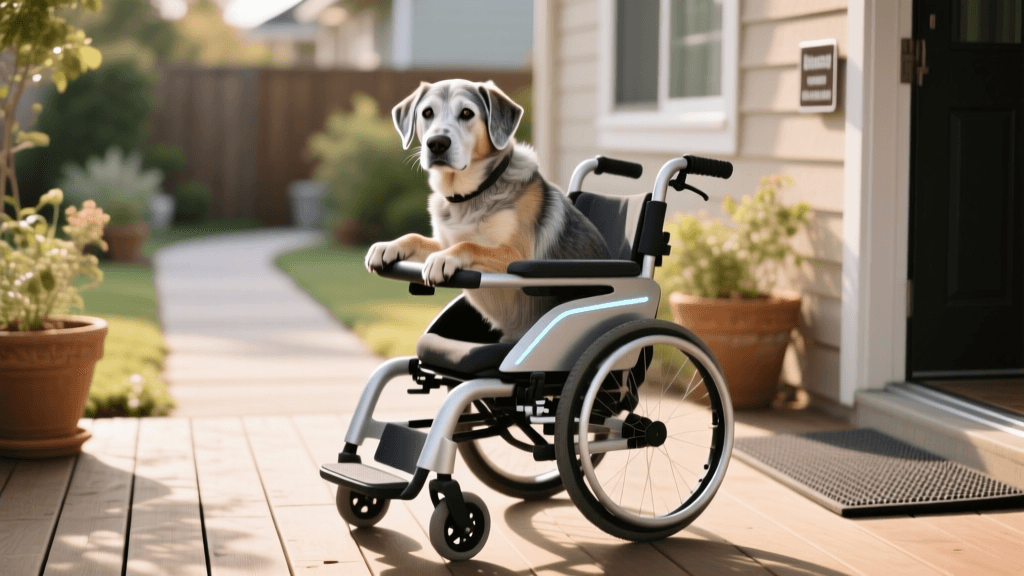
The pet mobility market has seen incredible innovations by 2026. Gone are the days of heavy, cumbersome metal frames. Today's wheelchairs feature aerospace-grade carbon fiber, breathable graphene-infused neoprene harnesses, and even LiDAR-enabled smartphone apps that allow you to scan your dog’s body for a custom 3D-printed fit. When selecting a cart, you must consider your dog's specific mobility deficits.
| Cart Type | Best For | 2026 Technology Features | Average Cost |
|---|---|---|---|
| Rear-Wheel Cart | Dogs with hind-leg weakness but strong front limbs (e.g., early DM, hip dysplasia). | Lightweight carbon-fiber frames, adjustable strut heights, quick-release wheels. | $350 - $650 |
| Quad-Wheel (Full Support) | Dogs with front and rear limb weakness, or severe generalized fatigue. | Omni-directional front casters, chest-support slings, anti-tip rear stabilizers. | $600 - $1,200 |
| 3D-Printed Custom Cart | Dogs with unique body shapes, amputations, or spinal deformities. | Smartphone LiDAR body scanning, custom-molded breathable resin harnesses. | $800 - $1,500 |
The Physical Transition: Measurements and Fitting
A poorly fitted wheelchair can cause chafing, pressure sores, and secondary joint issues. If you are ordering a standard adjustable cart rather than a 3D-scanned custom model, precise measurements are non-negotiable. You will need to measure your dog's Armpit to Rear (ATR) length, their height from the ground to the shoulder (or elbow, depending on the manufacturer's guidelines), and the width of their hips. When fitting the harness, always employ the 'two-finger rule': you should be able to comfortably slide two fingers between the neoprene straps and your dog's skin. This ensures the cart is secure enough to support their weight without restricting blood flow or causing friction burns. In 2026, many premium brands include anti-chafe silicone lining as a standard feature, but daily skin checks during the first month of use are still mandatory.
Mental Health and Behavioral Adjustment
The psychological impact of losing mobility is often overlooked. Dogs are creatures of movement and routine; suddenly being strapped into a device can induce anxiety, frustration, or fear. A gradual, positive-reinforcement-based desensitization protocol is essential for a successful transition. Rushing this process can lead to long-term aversion to the cart.
The 14-Day Desensitization Protocol
- Days 1-3: Scent and Sight Familiarization. Leave the unassembled or stationary cart in your dog's favorite room. Reward them with high-value treats (like freeze-dried liver) for sniffing or looking at the cart. Do not attempt to put them in it.
- Days 4-7: Harness Acclimation. Put the harness on your dog without attaching the wheels. Let them wear it for 5 to 10 minutes while they eat their meals or receive gentle massage. This builds a positive association with the feeling of the straps.
- Days 8-10: First Rolls in a Controlled Environment. Attach the wheels and support your dog's weight. Allow them to take a few steps on a high-traction surface like a carpeted room or rubber matting. Keep sessions under 15 minutes to prevent mental fatigue.
- Days 11-14: Outdoor Exploration. Transition to flat, paved outdoor surfaces. Use a long training leash and walk beside them, offering continuous verbal praise. Avoid grass or gravel initially, as the increased rolling resistance can be discouraging for a dog still building upper-body stamina.
During this transition, some dogs may exhibit signs of stress, such as panting, whale eye, or refusal to move. While behavioral training is the primary tool, some veterinarians may recommend short-term anti-anxiety medications or calming supplements. However, always consult your vet before introducing any new supplement, as the FDA warns pet owners about the risks of unapproved and unregulated CBD products, which can interact negatively with other medications your senior dog may be taking.
Home Modifications for Wheelchair Dogs
Adapting your living space is a critical component of this life transition. A wheelchair changes your dog's spatial awareness and turning radius. The Humane Society of the United States emphasizes that environmental modifications are key to maintaining a senior dog's quality of life and preventing secondary injuries.
- Ramps and Slopes: Replace any stairs your dog uses with ramps. The ideal gradient for a dog in a wheelchair is a 1:12 slope ratio (one inch of rise for every twelve inches of length). Ensure the ramp surface is covered in high-traction astroturf or rubberized grip tape.
- Flooring Traction: Hardwood and tile floors are incredibly slippery for wheelchair wheels and can cause the dog to splay out if they use their hind legs for balance. Lay down interlocking foam gym tiles or secure yoga mats in high-traffic pathways and sleeping areas.
- Elevated Resources: Raise your dog's water and food bowls to shoulder height. Bending down while in a rear-wheel cart shifts their center of gravity and can cause the cart to tip forward. An elevated, weighted bowl stand prevents spills and neck strain.
- Doorway Clearance: Measure your home's doorways. Standard interior doors are usually 28 to 32 inches wide, which is sufficient for most medium-sized dog carts, but you may need to remove door stops or adjust the cart's axle width for larger breeds.
Maintenance and Physical Therapy
Transitioning to a wheelchair does not mean your dog's physical therapy journey ends; it simply evolves. Maintaining upper body strength and core stability is vital for dogs in rear-wheel carts. Incorporate weekly canine hydrotherapy sessions, such as an underwater treadmill, which allows them to exercise without bearing full weight on their compromised joints. Additionally, practice Passive Range of Motion (PROM) exercises daily on their paralyzed or weak limbs to prevent muscle contractures and maintain joint flexibility.
Equipment maintenance is equally important. In 2026, most high-end carts feature sealed, waterproof wheel bearings, but you should still wipe down the axles and wheels after every outdoor excursion to remove dirt, hair, and debris. Check the neoprene harness for signs of wear, fraying, or sweat buildup, and wash it weekly according to the manufacturer's instructions to prevent bacterial skin infections.
Conclusion: A New Lease on Life
Watching your dog transition to a wheelchair is undeniably an emotional milestone. It requires patience, physical effort, and a willingness to adapt your home and routine. However, the reward is immeasurable. By leveraging the advanced mobility technologies available in 2026, following a structured behavioral desensitization plan, and modifying your environment for safety, you are giving your dog the gift of continued exploration. They may be rolling instead of walking, but their tail will still wag, their nose will still sniff the wind, and their bond with you will remain as strong as ever. Embrace this transition not as an end, but as the beginning of a beautiful, mobile new chapter together.
anouk-beaumont
All our authors care for dogs every day — read more of their work on the authors page.