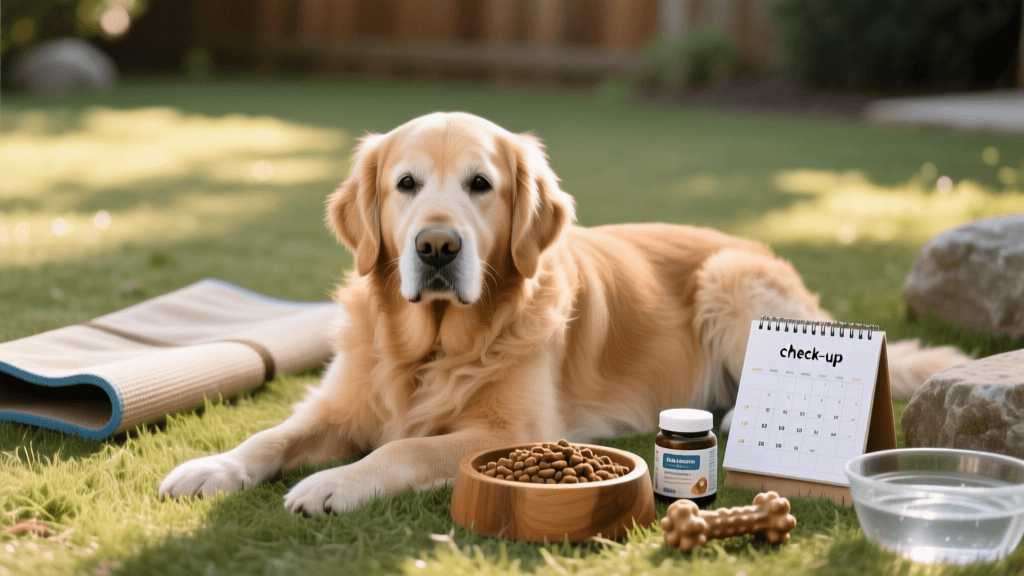
Decoding Canine Pain Signals And Stress Cues For 2026
Learn to decode subtle canine pain signals and calming indicators in senior dogs. Discover actionable 2026 wellness strategies for better health outcomes.
The Silent Language of Canine Discomfort
As pet parents, we often rely on obvious vocalizations like whimpering, yelping, or crying to tell us when our dogs are in pain. However, the evolutionary reality of canine behavior dictates that showing weakness is a liability. In the wild, a dog that openly displays pain or vulnerability becomes a target. Consequently, modern domestic dogs have retained a profound sense of stoicism, masking their physical discomfort and emotional stress until it becomes absolutely unbearable. As we navigate the veterinary landscape in 2026, behaviorists and pain management specialists are placing an unprecedented emphasis on decoding the subtle, non-verbal signals dogs use to communicate their internal state.
Understanding this silent language is not just an exercise in behavioral observation; it is a critical component of proactive health and wellbeing. By the time a dog exhibits obvious signs of pain, such as limping or refusing to eat, the underlying condition—whether it is osteoarthritis, dental disease, or gastrointestinal distress—has often progressed to an advanced stage. Recognizing the micro-expressions and displacement behaviors that precede these obvious symptoms allows for earlier intervention, vastly improving the quality of life and longevity of our canine companions.
Calming Signals vs. Displacement Behaviors
To accurately read your dog, it is essential to distinguish between 'calming signals' and 'displacement behaviors.' Calming signals, a concept pioneered by Norwegian dog trainer Turid Rugaas, are innate communicative gestures dogs use to de-escalate social tension, soothe themselves, and maintain peace within their environment. Common examples include lip licking, yawning, turning the head away, and sniffing the ground. While these are primarily social tools, they frequently double as indicators of internal stress or physical discomfort when displayed out of context.
Displacement behaviors, on the other hand, occur when a dog experiences conflicting emotions or physical sensations and 'displaces' that energy into a seemingly unrelated action. For instance, a dog experiencing a sudden spike in joint pain while lying down might abruptly start scratching at their ear or licking their paw. According to the American Society for the Prevention of Cruelty to Animals (ASPCA), observing the context and frequency of these behaviors is the key to differentiating between normal grooming and a stress-induced response to physical pain.
Top 5 Subtle Pain Signals Owners Frequently Miss
The following table outlines the most common, yet frequently misinterpreted, body language cues that indicate underlying pain or severe stress in dogs. Recognizing these in 2026 is considered a baseline standard for responsible pet ownership.
| Signal | Description | Common Misinterpretation | Likely Health Issue |
|---|---|---|---|
| Whale Eye | Showing the crescent-shaped whites of the eyes while keeping the head still. | Guilt, stubbornness, or ignoring a command. | Neck pain, spinal discomfort, or neurological sensitivity. |
| Excessive Licking | Repetitive licking of a specific joint, paw, or the air. | Allergies, boredom, or seeking attention. | Localized arthritis, nerve pain, or gastrointestinal nausea. |
| Frequent Yawning | Deep, exaggerated yawns when the dog is not waking up or tired. | Simple fatigue or lack of sleep. | Acute stress, impending pain flare-up, or nausea. |
| The 'Shake Off' | Shaking the entire body vigorously when completely dry. | Just waking up or reacting to a mild breeze. | Resetting the nervous system after a sudden pain spike or stressor. |
| Postural Shifts | Hunched back, tucked tail, or shifted weight distribution. | Fear of punishment or submission to another dog. | Abdominal pain, hip dysplasia, or core muscle weakness. |
The Canine Grimace Scale: A 2026 Standard
One of the most significant advancements in veterinary pain management over the last decade is the widespread adoption of the Canine Grimace Scale. Much like the Feline Grimace Scale, this tool trains owners and veterinary professionals to evaluate facial micro-expressions to gauge acute pain levels. The American Kennel Club (AKC) highlights that facial tension is often the very first indicator of acute distress.
Key markers on the Grimace Scale include:
- Orbital Tightening: The muscles around the eyes contract, causing a squinting appearance or a 'furrowed brow.'
- Ear Position: Ears are pulled back, flattened against the skull, or held much lower than their natural resting position.
- Cheek Flattening: The muscles of the muzzle and cheeks appear tense and drawn back, altering the natural shape of the dog's face.
- Muzzle Tension: The lips may be pulled back slightly, or the jaw may appear clenched, sometimes accompanied by rapid, shallow panting.
By routinely observing your dog's face during rest and activity, you establish a baseline. Any deviation from this baseline—especially when combined with the calming signals mentioned above—warrants immediate veterinary investigation.
Implementing Cooperative Care at Home
When a dog is communicating pain through avoidance or stress signals, forcing them into uncomfortable positions for grooming or medical exams only exacerbates their trauma and physical discomfort. The 2026 veterinary consensus strongly advocates for 'Cooperative Care'—a training methodology where the dog is taught to actively participate in their own husbandry and medical care.
Techniques such as 'bucket training' (where the dog is rewarded for placing their front paws on a raised surface to allow for nail trims or rear-end examinations) or the 'chin rest' (where the dog voluntarily rests their chin on a target to receive eye drops or ear cleaning) empower the dog. This empowerment drastically reduces the displacement behaviors associated with veterinary visits. According to the American Veterinary Medical Association (AVMA), reducing fear and stress during handling directly correlates with lower systemic inflammation and faster recovery times for dogs managing chronic conditions.
Environmental Modifications for Chronic Discomfort
If your dog is displaying subtle signs of chronic pain, such as osteoarthritis or degenerative myelopathy, modifying their environment is just as crucial as medical intervention. In 2026, the market offers highly specialized, orthopedic solutions designed to minimize the physical strain on aging joints.
A dog's environment should act as a therapeutic tool, not an obstacle course. Every jump, slip, or awkward rise from the floor is a micro-trauma to compromised joints.
Actionable Environmental Upgrades:
- CertiPUR-US Certified Orthopedic Beds: Avoid 'egg-crate' foam which bottoms out under the weight of large breeds. Invest in high-density, therapeutic memory foam beds that maintain structural integrity and distribute weight evenly.
- Traction Solutions: Slippery hardwood or tile floors force dogs to engage their core and hip stabilizers constantly, leading to fatigue and pain. Use interlocking foam mats or specialized canine traction socks with silicone grips to provide secure footing.
- Biomechanical Ramps: Never force a dog displaying spinal or hip signals to jump into a vehicle or onto a bed. Use ramps with a gradual incline (ideally an 18-to-1 ratio) and high-traction surfaces to preserve joint health.
Nutritional Interventions and Proactive Wellness
Recognizing pain signals early allows for the implementation of targeted nutritional support before severe degradation occurs. While NSAIDs and newer monoclonal antibody therapies (like anti-NGF treatments) are vital for acute flare-ups, daily nutritional support forms the bedrock of long-term joint and nerve health.
Integrating high-quality Omega-3 fatty acids (specifically EPA and DHA derived from wild-caught fish oil or microalgae) has been proven to modulate the inflammatory response. Additionally, supplements containing Green-Lipped Mussel, curcumin with enhanced bioavailability, and undenatured Type II collagen are highly recommended in 2026 for maintaining cartilage matrix integrity. Always consult with a board-certified veterinary nutritionist to tailor these supplements to your dog's specific metabolic needs and avoid contraindications with prescribed medications.
Conclusion: Becoming a Fluent Advocate
Decoding canine pain signals and stress cues is an ongoing journey of observation, empathy, and education. By shifting our focus from obvious vocalizations to the nuanced world of calming signals, displacement behaviors, and facial micro-expressions, we become true advocates for our dogs' wellbeing. The veterinary standards of 2026 provide us with more tools than ever to manage and mitigate pain, but those tools are only effective if we are listening to what our dogs are silently telling us. Commit to observing your dog daily, respect their boundaries, and never hesitate to seek professional guidance when their body language whispers that something is wrong.
anouk-beaumont
All our authors care for dogs every day — read more of their work on the authors page.