2026 Home Care Routine For Dogs With Osteoarthritis
Discover the best 2026 home modifications, orthopedic ramps, and daily routines to manage canine osteoarthritis and keep your senior dog comfortable.
Introduction: Navigating Life with an Arthritic Dog
Living with a dog diagnosed with canine osteoarthritis (OA) requires a fundamental shift in how you manage your shared environment and daily schedule. Osteoarthritis is a progressive, degenerative joint disease that affects the cartilage, leading to pain, stiffness, and reduced mobility. As we navigate 2026, veterinary medicine and pet technology have introduced incredible tools to help our canine companions thrive despite this diagnosis. However, medical interventions are only half the battle. The other half involves creating a supportive home environment and establishing a mindful daily routine that minimizes joint stress while maximizing your dog's quality of life.
In this comprehensive guide, we will explore the latest 2026 veterinary standards, essential home modifications, and practical daily adjustments you can implement today to help your arthritic dog live their best life.
The 2026 Veterinary Standard for Canine Osteoarthritis
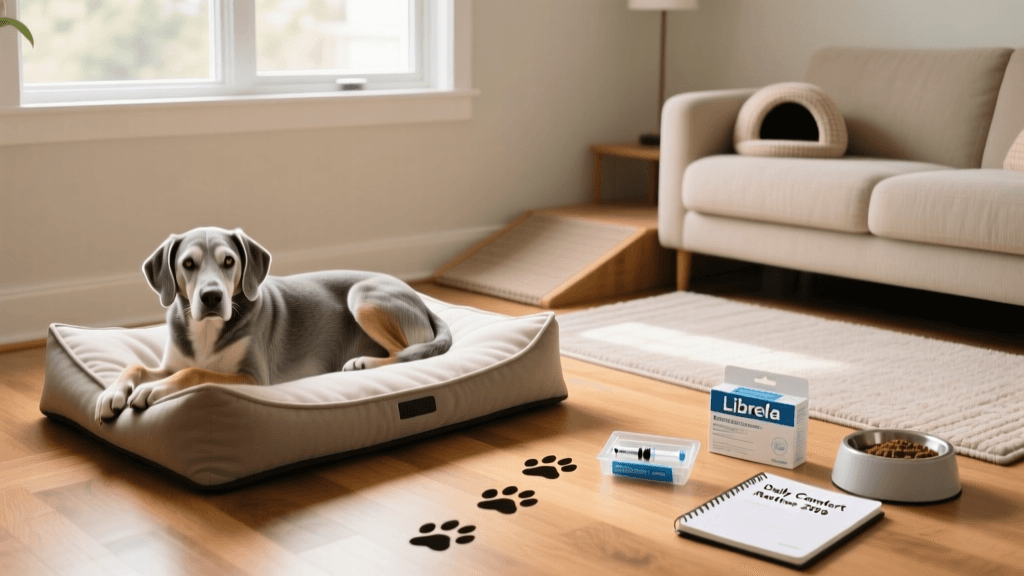
Before modifying your home, it is crucial to ensure your dog's pain is medically managed. The WSAVA Global Pain Council emphasizes a multimodal approach to OA management, combining pharmaceuticals, physical therapy, and environmental adjustments. In 2026, the gold standard for canine OA pain relief heavily features anti-NGF (Nerve Growth Factor) monoclonal antibodies, such as bedinvetmab (marketed as Librela). Administered as a monthly subcutaneous injection, these targeted therapies neutralize the NGF protein responsible for transmitting pain signals, offering profound relief without the systemic side effects often associated with traditional NSAIDs.
For dogs requiring daily oral medication, newer NSAIDs like Galliprant (grapiprant) remain a staple in 2026 veterinary protocols. Galliprant specifically targets the EP4 receptor, reducing inflammation and pain while sparing the gastrointestinal and renal systems. According to the American College of Veterinary Surgeons, combining these medical treatments with weight management and physical rehabilitation yields the highest success rates for maintaining mobility in senior dogs.
Essential Home Modifications for Joint Support
Your home's layout can either be a haven or an obstacle course for a dog with compromised joints. Making strategic modifications will prevent slips, falls, and the micro-traumas that exacerbate joint degradation.
1. Traction and Flooring Solutions
Hardwood, laminate, and tile floors are incredibly slippery for dogs with weakened hindquarters. When a dog's paws slide out, their joints absorb the sudden, jarring impact of overcompensation. In 2026, the most effective and aesthetically pleasing solution is the use of interlocking EVA foam tiles or specialized pet-safe traction rugs. Look for rugs with a natural rubber backing that grips hard surfaces without using toxic adhesives. For high-traffic pathways—such as the route from the bed to the back door—lay down a continuous runner to ensure your dog never has to navigate bare, slippery floors.
2. Upgrading to True Orthopedic Beds
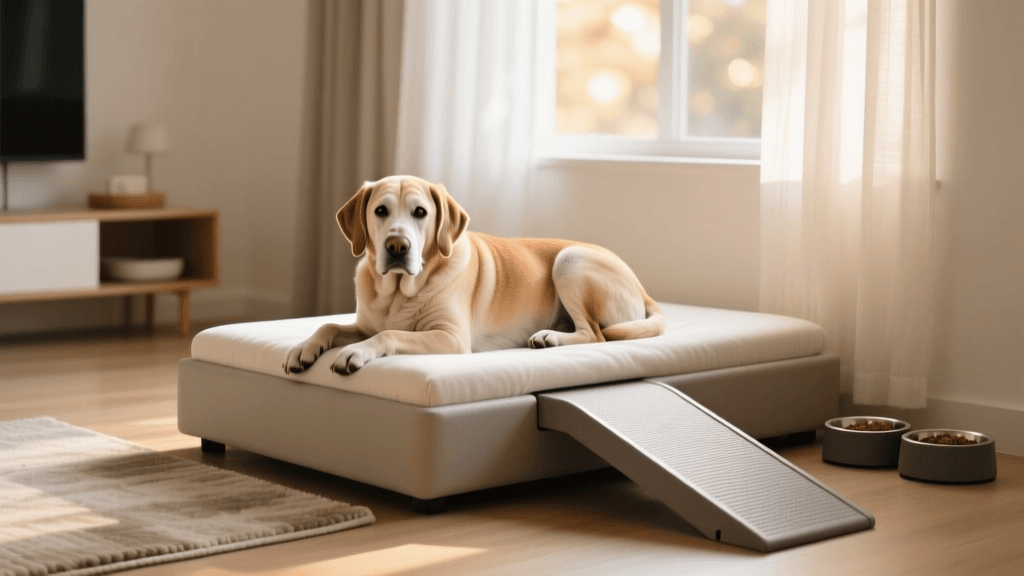
Not all beds labeled 'orthopedic' are created equal. Many budget options use egg-crate foam that flattens out within weeks, offering zero joint support. For an arthritic dog, you need a bed with high-density, human-grade memory foam that is at least 4 inches thick. Brands like Big Barker and Furhaven's premium lines dominate the 2026 market, offering therapeutic foam that distributes weight evenly and prevents pressure points on the elbows and hips. Ensure the bed is large enough for your dog to stretch out fully, and consider a bolstered edge to provide neck support and a sense of security.
3. Strategic Ramp and Stair Placement
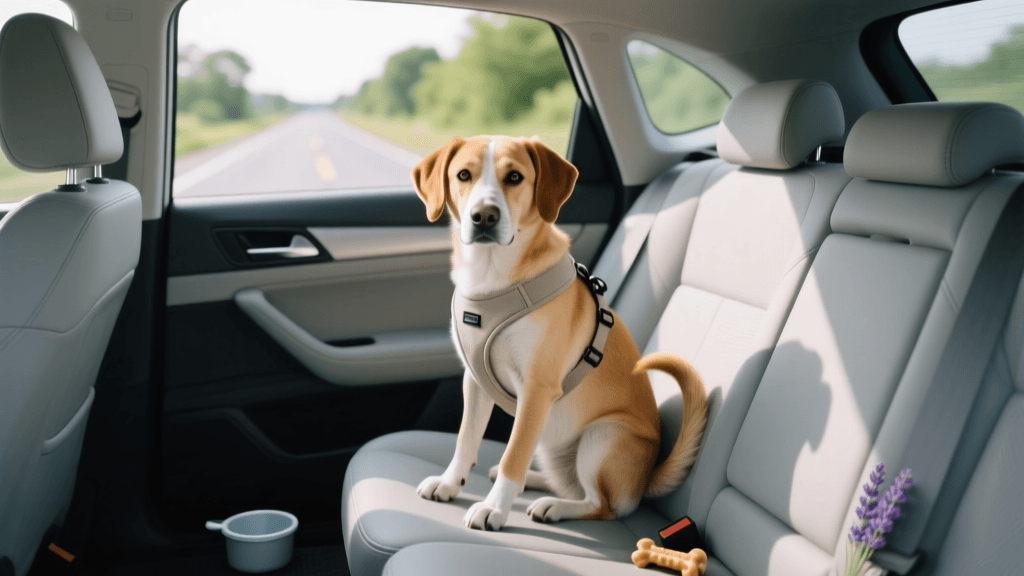
Jumping onto a sofa, into the car, or onto a high bed places immense concussive force on a dog's carpal (wrist) and shoulder joints. Ramps are non-negotiable for arthritic dogs. When selecting a ramp, pay attention to the incline angle and the surface traction. A ramp that is too steep will cause your dog to hesitate or slide backward. The ideal incline for a senior dog is between 18 and 22 degrees. Additionally, the ramp surface should feature high-traction carpet or a ribbed rubber coating to prevent paw slippage.
Comparison Chart: Top Orthopedic Ramps for 2026
| Brand/Model | Weight Capacity | Incline Angle | Best For | 2026 Price Range |
|---|---|---|---|---|
| PetSafe CozyUp Folding Ramp | 150 lbs | 18-22° | SUVs and high beds | $70 - $90 |
| Gen7Pets Natural Step Ramp | 250 lbs | 15-20° | Large breeds and steep vehicles | $140 - $170 |
| Solvit UltraLite Bi-Fold | 200 lbs | 20-25° | Compact cars and travel | $50 - $75 |
| Pet Gear Tri-Fold Ramp | 200 lbs | 16-19° | Minivans and side doors | $90 - $120 |
Daily Routine Adjustments for Arthritic Dogs
Managing OA is a daily commitment. Adjusting your routine to accommodate your dog's physical limitations will prevent the 'weekend warrior' syndrome, where a dog overexerts themselves on a good day and suffers for the next three.
Exercise: Motion is Lotion
While high-impact activities like fetch, agility, and long hikes should be retired, complete rest is equally detrimental. Synovial fluid, which lubricates the joints, requires movement to circulate. The 2026 veterinary consensus recommends multiple short, controlled leash walks rather than one long excursion. Aim for 10 to 15 minutes of sniffing and walking, three times a day. Keep the leash short to prevent sudden sprinting, and stick to flat, even terrain like grass or packed dirt. If your dog enjoys water, weekly hydrotherapy sessions or swimming in a heated pool provide excellent cardiovascular exercise with zero joint impact.
Feeding and Hydration Stations
Bending down to the floor to eat and drink puts unnecessary strain on the cervical spine and shoulder joints. Elevate your dog's food and water bowls to chest level. To find the perfect height, measure the distance from the floor to the top of your dog's front shoulders, and subtract 3 to 4 inches. This allows them to eat with a neutral spine. Furthermore, ensure water stations are available on every level of your home so your dog does not have to navigate stairs simply to hydrate.
Weight Management and Nutrition
Carrying excess weight is the single most destructive factor for arthritic joints. Your dog should maintain a Body Condition Score (BCS) of 4 or 5 out of 9, where the ribs are easily palpable without excess fat covering. Work with your veterinarian to calculate the exact caloric needs for your dog's reduced activity level. Supplement their diet with high-quality Omega-3 fatty acids (EPA and DHA) derived from wild-caught fish oil or green-lipped mussel extract, which have proven anti-inflammatory properties that support joint health.
Leveraging 2026 Pet Tech for Mobility Tracking
Dogs are stoic creatures and often hide their pain until it becomes severe. The American Kennel Club notes that early detection of mobility changes is vital for adjusting pain management protocols before a crisis occurs. In 2026, smart collars like the Fi Series 4 and Whistle Go are invaluable tools for tracking your dog's baseline mobility.
These devices monitor 'active minutes,' 'rest quality,' and 'scratch counts.' If you notice a gradual decline in your dog's daily active minutes, or if their nighttime sleep is frequently interrupted by restlessness (a common sign of nocturnal joint aching), you have objective data to share with your veterinarian. This allows for precise adjustments to their medication dosage or physical therapy regimen.
Creating a Canine Osteoarthritis Action Plan
To keep your dog comfortable, establish a structured care plan that involves the whole household:
- Daily: Administer joint supplements with breakfast, conduct three 15-minute controlled leash walks, and ensure all traction rugs are flat and secure.
- Weekly: Perform gentle passive range-of-motion (PROM) exercises on your dog's hind legs, and give a soothing 10-minute massage focusing on the lower back and thighs to relieve compensatory muscle tension.
- Monthly: Administer long-acting pain medications (like Librela), weigh your dog to ensure they are not creeping up in calories, and wash their orthopedic bed covers.
- Annually: Schedule comprehensive veterinary check-ups including bloodwork to monitor liver and kidney function, ensuring long-term NSAID or pain medication safety.
Conclusion
A canine osteoarthritis diagnosis in 2026 is no longer a sentence to a sedentary, painful life. By combining cutting-edge veterinary pain management with thoughtful home modifications—like high-density orthopedic beds, low-incline ramps, and slip-resistant flooring—you can dramatically improve your dog's daily comfort. Remember that consistency is key. Stick to your modified exercise routines, monitor their weight closely, and utilize smart technology to stay ahead of their pain. With patience, empathy, and the right environmental setup, you can ensure your senior dog's golden years are truly golden.
robin-maitland
All our authors care for dogs every day — read more of their work on the authors page.