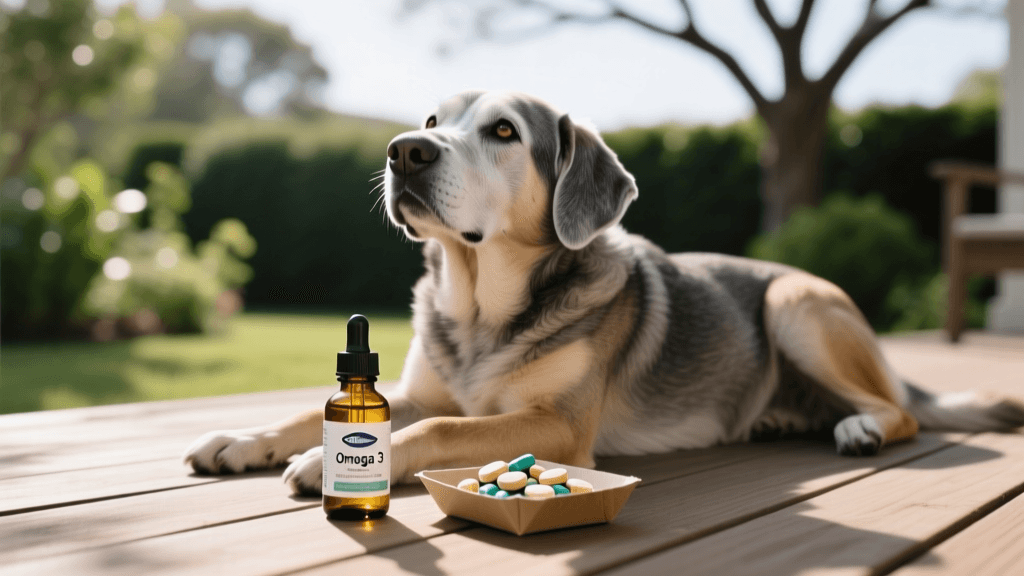
Daily Omega-3 Routine for Senior Dogs: 2026 Liquid vs Chewable Guide
Discover how to build a daily Omega-3 routine for your senior dog in 2026. We compare liquid fish oils and chewable supplements for optimal joint health.
The Evolution of Canine Omega-3 Supplementation in 2026
As we navigate through 2026, the landscape of canine nutrition has become more sophisticated than ever, particularly when it comes to managing the aging process in our beloved pets. For senior dogs, maintaining mobility, cognitive sharpness, and a robust immune system is a daily priority for dedicated pet parents. At the forefront of this nutritional strategy is Omega-3 fatty acid supplementation. However, simply tossing a generic fish oil capsule into your dog's bowl is no longer the gold standard. Today's veterinary nutritionists emphasize targeted routines, specific molecular forms, and strict oxidation management to ensure your senior dog actually absorbs the nutrients they need.
Integrating Omega-3s into your senior dog's daily life requires an understanding of the two primary marine-derived fatty acids: eicosapentaenoic acid (EPA) and docosahexaenoic acid (DHA). While plant-based sources like flaxseed contain alpha-linolenic acid (ALA), dogs possess a very limited ability to convert ALA into the usable EPA and DHA forms. Therefore, marine-based supplements remain the undisputed champions for canine health. According to comprehensive veterinary guidelines from VCA Hospitals, EPA is primarily responsible for combating cellular inflammation—making it crucial for arthritic joints—while DHA supports neurological function and retinal health, which is vital for aging dogs experiencing cognitive decline or vision loss.
Liquid Fish Oil vs. Omega-3 Chews: The 2026 Showdown
When establishing a daily routine, pet parents are generally faced with two primary delivery methods: liquid pump oils and soft chew supplements. In 2026, the manufacturing quality of both has improved dramatically, but they serve slightly different logistical purposes in a multi-pet or busy household.
Liquid fish oils, particularly those in the natural triglyceride form, offer the highest bioavailability. Because the oil is already in a state that mimics natural prey, a senior dog's digestive system can absorb it with minimal enzymatic effort. However, liquids are highly susceptible to oxidation. Once a bottle is opened, exposure to oxygen, light, and heat can turn the healthy fats rancid, which not only eliminates the health benefits but can actually introduce harmful free radicals into your dog's body.
Conversely, the chewable supplement market in 2026 has largely solved the oxidation problem through advanced micro-encapsulation and the inclusion of natural antioxidants like astaxanthin and mixed tocopherols. Chews are incredibly convenient for travel, boarding, or dogs that are notoriously picky about the smell of fish oil on their kibble. Below is a detailed comparison of the top-tier options dominating the 2026 market.
| Feature | Premium Liquid (e.g., Nordic Naturals Omega-3 Pet) | Advanced Chews (e.g., Zesty Paws Omega Bites) |
|---|---|---|
| Bioavailability | Extremely High (Triglyceride form) | High (Often Ethyl Ester or encapsulated) |
| EPA/DHA Transparency | Exact mg listed per pump | Guaranteed analysis per chew |
| Oxidation Risk | Moderate to High (Requires strict refrigeration) | Very Low (Sealed, antioxidant-infused matrix) |
| Caloric Impact | Pure fat (approx. 9 kcal per gram) | Contains binders/carbs (approx. 10-15 kcal per chew) |
| Best For | Dogs with severe joint issues needing max dose | Picky eaters, travel, and mild maintenance |
Calculating the Exact 2026 Dosage for Your Dog's Weight
One of the most common mistakes pet owners make is under-dosing. The 'suggested serving' on the back of many commercial bottles is often a maintenance dose for a healthy, young adult dog. For a senior dog dealing with osteoarthritis, chronic kidney disease, or cognitive dysfunction, therapeutic dosing is required. The general veterinary consensus for therapeutic joint and systemic support ranges from 75 mg to 100 mg of combined EPA and DHA per kilogram of your dog's body weight. For context, the biological pathways of these fatty acids and their impact on cellular membranes are well-documented in broader mammalian studies by institutions such as the National Institutes of Health (NIH).
To build your daily routine, weigh your dog and use the following 2026 therapeutic dosing cheat sheet as a baseline (always confirm with your primary veterinarian, especially if your dog is on blood thinners, as high-dose Omega-3s have a mild anticoagulant effect):
- Small Seniors (10 lbs / 4.5 kg): Target 350 - 450 mg combined EPA/DHA daily.
- Medium Seniors (30 lbs / 13.6 kg): Target 1,000 - 1,350 mg combined EPA/DHA daily.
- Large Seniors (60 lbs / 27.2 kg): Target 2,000 - 2,700 mg combined EPA/DHA daily.
- Giant Seniors (90+ lbs / 40+ kg): Target 3,000 - 4,000 mg combined EPA/DHA daily.
Pro-Tip for Label Reading: Ignore the 'Total Fish Oil' or 'Total Omega-3' numbers on the front of the bottle. Turn the bottle around and add the specific EPA milligrams and DHA milligrams together. That combined number is the only metric that matters for your senior dog's inflammation management.
Building a Bulletproof Daily Omega-3 Routine
Consistency is the secret ingredient to Omega-3 success. Because these fatty acids work by gradually altering the lipid composition of your dog's cell membranes, missing days will stall the therapeutic benefits. Here is a step-by-step guide to integrating this supplement into your senior dog's daily life seamlessly.
1. The Morning Prep and Storage Protocol
If you are using a liquid pump, the 2026 rule of thumb is strict cold-chain management. Store the bottle in the refrigerator immediately after purchase and after every single use. Keep the bottle away from the light. Before your dog's morning meal, take the bottle out, give it a gentle swirl (do not shake vigorously, as this introduces oxygen bubbles into the oil), and pump the exact dose directly over their food. The fats in the oil will actually help your dog absorb fat-soluble vitamins (A, D, E, and K) present in their base diet.
2. Masking the Flavor for Picky Eaters
Senior dogs often experience a dulling of their olfactory senses, making strong-smelling fish oil unappetizing to some. If using liquid, mix the oil with a spoonful of plain, unsweetened pumpkin puree or a dollop of low-sodium bone broth. If you are using chews, offer them as a 'pre-meal' appetizer about ten minutes before dinner to stimulate their appetite and get the digestive enzymes flowing.
3. The Rancidity Check
Once a month, perform the 'sniff test' on your liquid oil. It should smell mildly of the ocean or seaweed. If it smells sharply sour, metallic, or like rotting fish, the oil has oxidized and must be discarded immediately. Feeding rancid oil to a senior dog will exacerbate the very inflammation you are trying to treat.
Monitoring Progress: What to Expect at Week 8
Patience is required when starting an Omega-3 routine. Unlike pharmaceutical pain medications that offer immediate relief, Omega-3s are a structural and systemic intervention. According to nutrition experts featured by the American Kennel Club (AKC), it typically takes 4 to 8 weeks for the fatty acids to fully integrate into the cellular membranes and yield visible results.
By week four, you should notice the first wave of benefits: a reduction in dry, flaky skin, a softer and more lustrous coat, and a decrease in localized scratching or hot spots. By week eight, the systemic anti-inflammatory effects will peak. You may observe your senior dog exhibiting a 'second puppyhood' effect—waking up with less morning stiffness, navigating stairs with greater confidence, and showing improved engagement during playtime. Furthermore, the neuroprotective qualities of DHA may result in a reduction of sundowning behaviors or nighttime pacing, common symptoms of canine cognitive dysfunction.
Ultimately, establishing a meticulous, well-researched Omega-3 routine in 2026 is one of the most profound ways to honor your senior dog's golden years. By choosing the right delivery method, calculating a therapeutic dose, and prioritizing freshness, you are actively investing in their comfort, vitality, and joy for the miles you still have left to share together.
aaron-whyte
All our authors care for dogs every day — read more of their work on the authors page.