Managing Mealtime and Resources in Multi-Dog Homes
Learn how to manage mealtime, prevent resource guarding, and create safe feeding zones in a multi-dog household with expert tips and gear.

The Hidden Stress of Multi-Dog Mealtimes
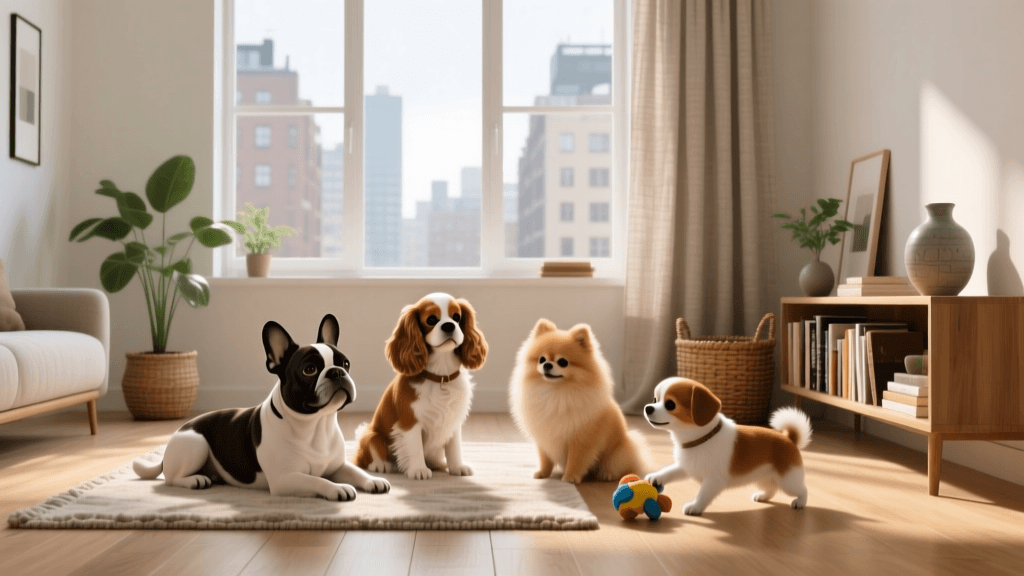
Sharing your home with multiple dogs is a deeply rewarding experience, offering endless entertainment, companionship, and a vibrant pack dynamic. However, when the kibble hits the bowl, that harmonious pack can quickly devolve into a tense environment. Mealtime in a multi-dog household is one of the most common triggers for canine conflict, stress, and behavioral issues. From food gulping and bowl stealing to outright resource guarding, managing how your dogs eat is not just a matter of convenience—it is a critical component of their physical health and psychological well-being.
Unlike single-dog homes where free-feeding or casual mealtime routines might work, multi-dog homes require intentional spatial design, strict scheduling, and specialized equipment. This comprehensive guide will walk you through the practical steps of designing a peaceful feeding environment, selecting the right gear, and training your dogs for kitchen harmony.
Understanding Resource Guarding in Pack Dynamics
Resource guarding is a natural canine behavior rooted in survival instincts. In a multi-dog home, the presence of littermates or housemates can amplify this instinct. A dog might guard their bowl, a dropped piece of kibble, or even an empty food dish from their siblings. According to VCA Animal Hospitals, resource guarding can manifest as subtle body language (stiffening, whale eye, lip licking) or overt aggression (growling, snapping, biting).
It is crucial to understand that punishing a dog for growling over food is counterproductive and dangerous. The growl is a warning system; suppressing it can lead to a dog that bites without warning. Instead, management and environmental modification are the gold standards for multi-dog homes. By removing the competition, you remove the need for the dog to guard.
Designing Your Multi-Dog Feeding Layout
The physical space where your dogs eat dictates the success of your mealtime routine. Feeding dogs side-by-side in the middle of a high-traffic kitchen is a recipe for disaster.
1. Spatial Separation and Line of Sight
Dogs should be fed at least 8 to 10 feet apart. If one dog finishes early and looks toward the other's bowl, tension will rise. To combat this, break the line of sight. Use kitchen islands, peninsulas, or physical barriers to ensure Dog A cannot stare at Dog B while eating. If your kitchen is open-concept, utilize adjacent rooms or hallways for secondary feeding stations.
2. Utilizing Baby Gates for Safe Zones
Pressure-mounted baby gates are a multi-dog owner's best friend. For medium to large breeds, invest in a gate that is at least 30 to 32 inches tall to prevent jumping. The Carlson Pet Products Walk-Through Gate (retailing around $45) features a small pet door, which is excellent for multi-pet homes housing both dogs and cats, allowing the cat to escape the dining area while keeping the dogs contained in their respective zones.
The 15-Minute Scheduled Feeding Protocol
Free-feeding (leaving a large bowl of kibble out all day) is highly discouraged in multi-dog homes. It makes monitoring individual caloric intake impossible and keeps the dogs in a perpetual state of low-level resource competition. Instead, implement a strict scheduled feeding routine.
- Timing: Feed at the exact same times daily (e.g., 7:00 AM and 6:00 PM) to regulate digestion and bathroom schedules.
- The 15-Minute Rule: Place the bowls down and allow the dogs exactly 15 minutes to eat. At the 15-minute mark, pick the bowls up, regardless of whether they are empty or full.
- The Result: This teaches dogs that food is an abundant but time-limited resource provided by you, reducing the anxiety that leads to guarding and gulping. It also immediately alerts you if a dog is off their food, which is often the first sign of illness.
Essential Gear for Multi-Dog Households
Investing in the right equipment can solve 90% of multi-dog mealtime disputes. Here are specific tools to consider based on your household's unique challenges.
Microchip Feeders for Diet Management
If you have one dog on a prescription weight-management diet and another on a high-calorie working dog formula, cross-eating is a major issue. The SureFeed Microchip Pet Feeder Connect (approximately $180) reads your dog's implanted microchip or an RFID collar tag. The lid only opens for the assigned dog. This is a game-changer for multi-dog homes with varying dietary needs and eliminates the stress of one dog stealing the other's specialized food.
Slow Feeders and Snuffle Mats
For the dog that inhales their food in 30 seconds and then looks to bully their slower-eating sibling, slow feeders are mandatory. The Outward Hound Fun Feeder ($12 to $15) forces dogs to forage for their kibble, extending mealtime by up to 10 minutes. This naturally aligns the eating speed of a fast eater with a slower eater, allowing you to safely remove all bowls at the same time.
Elevated Diners for Large Breeds
If you have giant breeds, elevated bowls can reduce neck strain and minimize messy splashing. To find the correct height, measure your dog from the floor to the top of their shoulders (the withers) and subtract 6 inches. This ensures they eat at a comfortable, ergonomic angle without hunching.
Comparison Chart: Multi-Dog Feeding Strategies
| Strategy | Estimated Setup Cost | Best Used For | Potential Drawbacks |
|---|---|---|---|
| Separate Room Feeding | $0 - $45 (Gates) | Dogs with mild to moderate resource guarding or distraction issues. | Requires multiple rooms and owner presence to open/close doors. |
| Crate Feeding | $50 - $150 (Crates) | Puppies, severe resource guarders, and dogs needing safe decompression. | Crates take up significant floor space; dogs must be crate-trained. |
| Microchip Feeders | $150 - $200 per unit | Dogs on different diets, medication-mixed meals, or chronic food stealers. | High upfront cost; requires dogs to be comfortable with the motorized lid. |
| Tethered Station Feeding | $15 - $30 (Leashes/Mats) | Dogs in training for 'Place' command; open-concept homes without gates. | Requires active supervision; not suitable for aggressive guarders. |
Managing High-Value Chews and Treats
While dogs might tolerate each other near standard kibble bowls, high-value items like bully sticks, yak cheese chews, raw meaty bones, and stuffed Kongs trigger primal guarding instincts. The American Kennel Club (AKC) emphasizes that high-value treats should never be given to multiple dogs in the same open space.
The Crate and Rotate Method: The safest way to administer high-value chews is the 'crate and rotate' method. Place each dog in their respective crate or separate room with a closed door. Allow them 15 to 20 minutes to enjoy the chew in total isolation. Once the chew is finished, or the time is up, remove the dog from the crate before opening the door to the rest of the house. This prevents post-chew tension and ensures no dog feels the need to hide or guard their prize under a sofa.
Training Exercises for Kitchen Harmony
Meal preparation is often the most chaotic time in a multi-dog kitchen. Dogs weaving between your legs while you carry heavy bowls can lead to trips, spills, and fights. Teach your dogs a solid 'Place' command using elevated cot beds (like the Coolaroo Elevated Pet Bed, around $30) positioned safely away from the food prep zone.
- Step 1: Lead Dog A to their cot, say 'Place', and reward with a low-value treat. Repeat for Dog B on their separate cot.
- Step 2: Begin picking up food bags and bowls. If a dog breaks their 'Place', stop moving, reset them, and start again.
- Step 3: Gradually increase the difficulty by pouring kibble into the bowls while the dogs remain on their cots. Reward heavily for staying put.
- Step 4: Release the dogs one at a time to their respective feeding stations using a specific release word like 'Okay' or 'Break'.
Water Bowl Etiquette and Hydration Stations
Food is not the only resource dogs can guard; water bowls can also become flashpoints, especially in warmer months or after vigorous exercise. To prevent water guarding, establish multiple hydration stations throughout the house. Use heavy, tip-proof stainless steel bowls placed on silicone splat mats to protect your flooring. Ensure there is always one more water station than there are dogs (e.g., three stations for two dogs) so a subordinate dog is never blocked from accessing fresh water by a more confident pack member.
When to Seek Professional Help
While management tools like gates, microchip feeders, and scheduled routines solve the vast majority of multi-dog mealtime issues, some situations require professional intervention. If your dogs are exhibiting severe aggression, drawing blood, or if the stress of mealtimes is causing chronic gastrointestinal issues or weight loss in the subordinate dog, it is time to call a professional.
According to the ASPCA, working with a Certified Applied Animal Behaviorist (CAAB) or a veterinary behaviorist is the safest route for severe resource guarding. They can assess the pack dynamic, rule out underlying medical conditions causing food obsession (such as thyroid issues or parasites), and create a customized desensitization and counter-conditioning protocol.
Conclusion
Managing mealtime in a multi-dog home requires a shift from casual feeding to intentional management. By investing in spatial separation, utilizing specialized feeding equipment, and adhering to a strict 15-minute schedule, you can eliminate the stress and competition surrounding food. Ultimately, a peaceful kitchen leads to a more relaxed, harmonious pack, allowing you and your dogs to truly enjoy life together.
anouk-beaumont
All our authors care for dogs every day — read more of their work on the authors page.