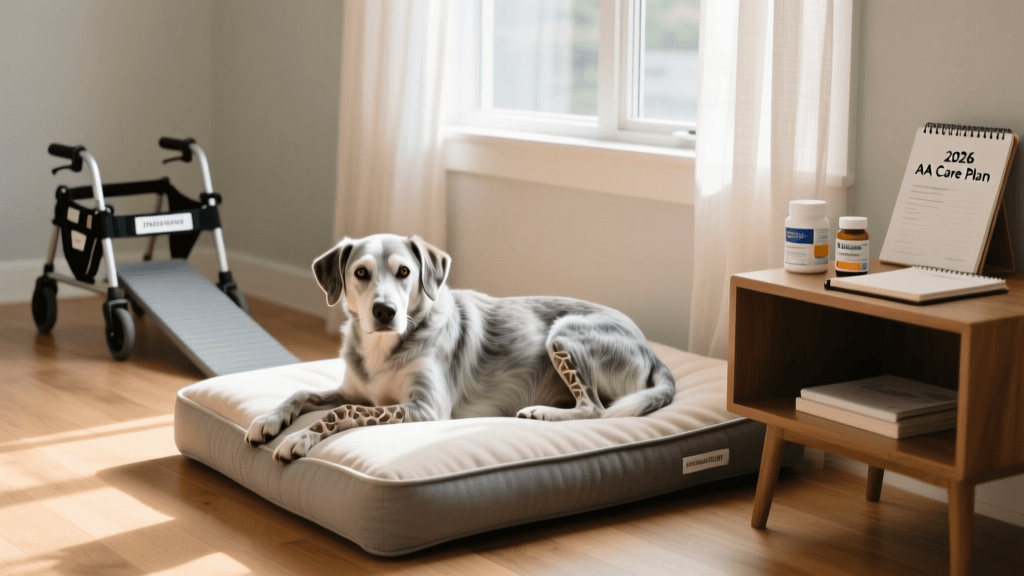
Getting a Senior Dog With OA: 2026 Home Prep & Care
Planning to adopt a senior dog with osteoarthritis? Discover essential 2026 home prep tips, OA treatment costs, and mobility aids for your new companion.
Deciding to bring a new dog into your home is a life-changing event, but choosing to adopt a senior dog with osteoarthritis (OA) is a uniquely profound commitment. As of 2026, senior dog adoptions have surged in popularity as more families recognize the gentle, grateful nature of older companions. However, the decision-making process for getting a dog with chronic joint disease requires careful consideration, financial planning, and strategic home preparation before adoption day.
If you are evaluating a senior dog at a shelter or rescue who has been diagnosed with OA, you are not just getting a pet; you are stepping into the role of a caregiver and pain manager. This comprehensive 2026 guide will walk you through the modern veterinary landscape for canine OA, help you budget for ongoing care, and detail the exact first-day essentials you need to prepare your home for a low-mobility companion.
The Decision: Why Adopt a Senior Dog with Osteoarthritis?
Many prospective adopters bypass senior dogs due to fears of impending heartbreak or high medical bills. However, dogs with managed OA often make the most rewarding household companions. They are typically past the destructive puppy phase, require only gentle, low-impact exercise, and possess a deep capacity for bonding. According to the American Veterinary Medical Association (AVMA), osteoarthritis is a degenerative joint disease that affects a significant portion of the senior dog population, but it is not a terminal illness. With the right environmental modifications and modern medical management, a dog with OA can enjoy a high quality of life for years.
When visiting a rescue in 2026, look beyond the dog's current stiffness. Shelter environments are notoriously stressful and feature hard, slippery concrete floors, which can make an arthritic dog appear far more debilitated than they actually are. Evaluate their personality, their appetite, and their willingness to engage with you, rather than just their physical gait in a stressful setting.
The 2026 Canine OA Treatment Landscape
The veterinary approach to canine OA has evolved dramatically. The 2026 consensus, supported by the American Animal Hospital Association (AAHA) Pain Management Guidelines, emphasizes a multimodal approach. This means combining pharmaceuticals, nutritional supplements, weight management, and physical rehabilitation to target pain from multiple angles while minimizing the side effects of any single medication.
Monoclonal Antibodies: The Game Changer
By 2026, anti-NGF (Nerve Growth Factor) monoclonal antibody injections, such as bedinvetmab (commonly known by the brand name Librela), have become the gold standard for managing canine OA pain. Unlike traditional NSAIDs (Non-Steroidal Anti-Inflammatory Drugs) which are processed through the liver and kidneys, these monthly injections specifically target the NGF responsible for transmitting pain signals in the joints. This makes them exceptionally safe for senior dogs who may already have compromised renal or hepatic function.
Traditional NSAIDs and Adjunct Therapies
While NSAIDs like carprofen or meloxicam are still utilized for acute flare-ups, many veterinarians in 2026 reserve them for breakthrough pain. Adjunct medications like gabapentin or amantadine may be prescribed for central nervous system pain sensitization, ensuring your new dog remains comfortable during rest and movement.
Budgeting for OA Care: 2026 Cost Breakdown
Before signing adoption papers, you must ensure your monthly budget can accommodate a dog with chronic joint issues. Below is an estimated monthly cost breakdown for comprehensive OA management in 2026, based on a 60-pound mixed breed dog.
| Treatment / Modality | Frequency | Estimated 2026 Monthly Cost |
|---|---|---|
| Anti-NGF Injection (e.g., Librela) | Once Monthly | $130 - $180 |
| Joint Supplements (UC-II / Omega-3s) | Daily | $40 - $75 |
| Polysulfated Glycosaminoglycan (e.g., Adequan) | Variable (Maintenance) | $50 - $90 |
| Canine Rehabilitation / Hydrotherapy | Bi-Weekly | $120 - $200 |
| Total Estimated Monthly Budget | $340 - $545 |
Note: Initial setup costs for orthopedic beds, ramps, and home modifications will add an additional $300 to $600 to your first-month expenses.
Preparing Your Home: First-Day Mobility Essentials
When getting a dog with OA, your home environment must be optimized for traction, support, and accessibility before they ever step through the front door. Slippery floors and steep inclines are the enemies of arthritic joints.
1. Flooring and Traction Solutions
Hardwood, tile, and laminate floors can cause a senior dog's legs to splay, leading to micro-injuries and severe pain. Before bringing your dog home, cover primary walkways and resting areas with interlocking EVA foam tiles or large, low-pile area rugs equipped with heavy-duty non-slip rug pads. In 2026, pet-specific grip mats and washable traction runners are widely available and essential for creating safe "highways" through your home.
2. Orthopedic Sleeping Arrangements
Standard dog beds do not provide adequate support for compromised joints. Invest in a high-quality, veterinary-recommended orthopedic bed. Look for beds featuring a minimum of 4 inches of high-density, therapeutic memory foam that will not flatten over time. Brands like Big Barker and Furhaven's 2026 cooling-gel orthopedic lines are excellent choices, as they prevent joint pressure points while regulating body temperature for senior dogs who may struggle with thermoregulation.
3. Ramps and Assistive Stairs
Jumping on and off furniture or into vehicles can cause catastrophic joint strain. Train your new dog to use ramps immediately. The PetSafe Happy Ride Folding Pet Ramp is a lightweight, durable option for vehicles. For indoor furniture, utilize foam-based pet stairs with high-traction covers. If your dog is hesitant, use high-value treats to practice ramp and stair climbing on a flat surface before introducing an incline.
Nutrition and Targeted Supplementation
Diet plays a foundational role in OA management. Maintaining a lean body condition score (BCS) is the single most effective way to reduce mechanical stress on arthritic joints. Work with your veterinarian to establish a precise caloric intake plan.
Beyond weight management, targeted supplementation is critical. In 2026, the most evidence-backed supplements for canine OA include:
- Undenatured Type II Collagen (UC-II): Works via oral tolerance to modulate the immune system's attack on joint cartilage.
- High-EPA Omega-3 Fatty Acids: Derived from wild-caught fish oil or green-lipped mussel extract, EPA naturally inhibits inflammatory pathways in the joint capsule.
- Curcumin (with enhanced bioavailability): A potent natural anti-inflammatory that pairs well with traditional pain medications.
Questions to Ask the Rescue Before Adoption Day
To ensure you are fully prepared, ask the shelter or rescue organization the following questions before finalizing your adoption:
- What is the dog's current pain management protocol, and have they missed any recent doses?
- Are there any recent orthopedic X-rays available for my veterinarian to review?
- Has the dog shown any signs of gastrointestinal sensitivity to NSAIDs in the shelter's care?
- What is their exact morning and evening mobility routine like in the foster home?
Building Your Veterinary and Rehab Team
Getting a dog with OA means you will need a specialized veterinary team. Before adoption day, locate a veterinarian who is well-versed in modern pain management. Furthermore, seek out a Canine Certified Rehabilitation Therapist (CCRT) or a veterinary hydrotherapy center in your area. Underwater treadmill therapy and therapeutic laser treatments are phenomenal tools for maintaining muscle mass without placing concussive force on deteriorating joints.
Final Thoughts on Your Adoption Journey
Choosing to adopt a senior dog with osteoarthritis is an act of profound empathy. While the financial and logistical preparations required in 2026 are significant, the return on investment is a deeply bonded, gentle companion who will spend their golden years in the comfort and safety they deserve. By preparing your home, budgeting for modern monoclonal antibody therapies, and committing to a multimodal care plan, you are setting the stage for a beautiful, pain-managed life together.
marcus-aldridge
All our authors care for dogs every day — read more of their work on the authors page.