Senior Dog Joint Health: A Complete Mobility Care Guide
Discover essential joint health and mobility care tips for senior dogs. Learn about supplements, exercises, and home modifications for aging pups.
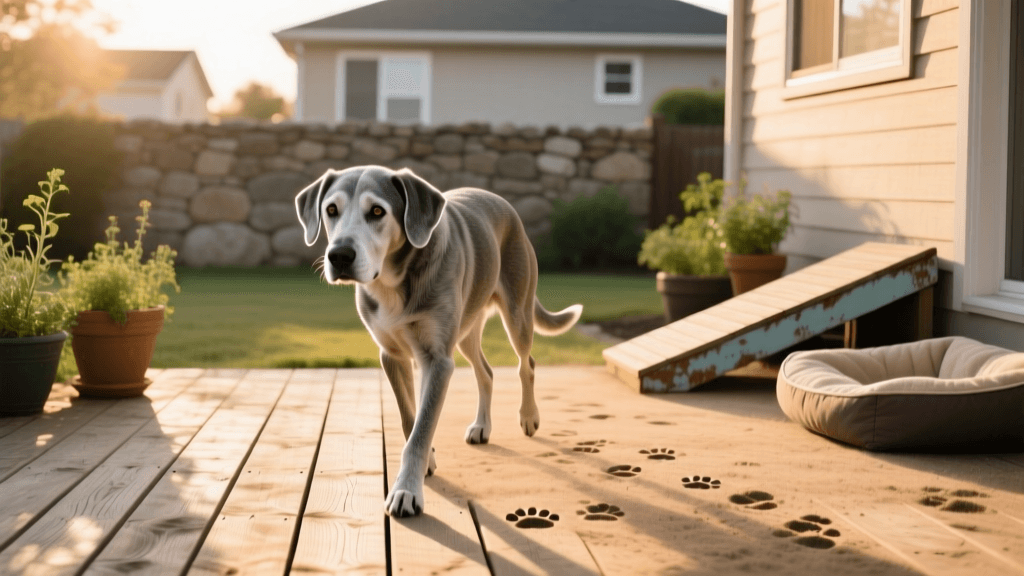
Understanding Canine Osteoarthritis in the Senior Life Stage
As your beloved dog transitions into their senior life stage, typically between the ages of 7 and 10 depending on the breed and size, their physiological needs shift dramatically. One of the most prevalent and impactful conditions affecting aging canines is osteoarthritis (OA), a degenerative joint disease that causes chronic pain, stiffness, and a gradual loss of mobility. According to the Cornell University College of Veterinary Medicine, osteoarthritis affects an estimated 20% to 25% of all adult dogs, with the prevalence skyrocketing in senior populations. Recognizing the subtle signs of joint pain—such as reluctance to jump into the car, lagging behind on walks, or stiffness after resting—is the first critical step in a comprehensive life stage care plan.
Senior joint care is not merely about managing pain; it is about preserving your dog's quality of life, maintaining their muscle mass, and supporting their mental wellbeing. A multi-modal approach that combines targeted nutrition, environmental modifications, controlled exercise, and advanced veterinary medicine offers the best prognosis for keeping your senior dog comfortable and active.
Nutritional Support and Joint Supplements
Nutraceuticals and joint supplements form the foundational layer of senior mobility care. While they cannot reverse cartilage loss, they can significantly reduce joint inflammation and slow the progression of degeneration. When selecting a supplement, look for products that carry the National Animal Supplement Council (NASC) Quality Seal, ensuring rigorous testing for purity and potency.
Omega-3 fatty acids, specifically EPA (eicosapentaenoic acid) and DHA (docosahexaenoic acid), are powerful natural anti-inflammatories. Veterinary nutritionists generally recommend a therapeutic dose of 75 to 100 mg/kg of combined EPA and DHA daily for dogs with osteoarthritis. High-quality fish oil capsules or prescription joint-support diets (such as Hill's Prescription Diet j/d or Royal Canin Mobility Support) are excellent ways to achieve these therapeutic levels.
Below is a comparison chart of the most effective, science-backed joint supplements for senior dogs, including estimated dosages and monthly costs for a 60-pound dog.
| Supplement Type | Active Ingredients | Target Mechanism | Est. Monthly Cost (60lb Dog) |
|---|---|---|---|
| Glucosamine/Chondroitin | Glucosamine HCl, Chondroitin Sulfate | Supports cartilage matrix and inhibits degradative enzymes | $40 - $65 |
| Omega-3 Fish Oil | EPA and DHA | Reduces systemic and joint-specific inflammation | $25 - $45 |
| Green Lipped Mussel | Perna canaliculus, ETA fatty acids | Provides natural glycosaminoglycans and COX-2 inhibition | $30 - $50 |
| Avocado/Soybean Unsaponifiables (ASU) | ASU, Boswellia serrata | Protects existing cartilage and reduces pain signaling | $50 - $75 |
Low-Impact Exercise and Physical Therapy
A common misconception in senior dog care is that a dog with joint pain should be strictly rested. In reality, controlled, low-impact exercise is vital for maintaining muscle mass, which acts as the primary shock absorber for aging joints. Complete rest leads to muscle atrophy, placing even more mechanical stress on compromised joints.
Instead of long, erratic runs or high-impact fetch sessions, transition your senior dog to structured leash walks on soft surfaces like grass or dirt trails. Aim for two 15-to-20-minute walks per day rather than one exhausting hour-long hike. Hydrotherapy is another exceptional option; the buoyancy of the water supports the dog's weight while the resistance builds muscle. Many veterinary rehabilitation centers offer underwater treadmill sessions, typically costing between $60 and $90 per session, which can dramatically improve hind-end strength and joint range of motion.
Environmental Modifications for the Senior Home
Your home environment can either support your senior dog's mobility or actively hinder it. Slippery hardwood or tile floors are notorious for causing micro-sprains and exacerbating hip dysplasia or arthritis flare-ups. Covering high-traffic areas with non-slip area rugs, interlocking foam tiles, or even affordable yoga mats provides the necessary traction for your dog to stand and walk confidently.
Furthermore, eliminate the need for jumping. Repeatedly leaping off beds or couches creates immense concussive force on the spine and front limbs. Invest in high-density foam pet stairs or a sturdy ramp. For vehicle loading, a telescoping aluminum ramp (such as the PetSafe Solvit UltraLite, typically priced around $70) protects your dog's joints and saves your back. Finally, invest in a high-quality orthopedic bed. Brands like Big Barker or K9 Ballistics offer beds with therapeutic foam that prevents pressure sores and supports heavy joints, usually ranging from $150 to $300. Place these beds in draft-free, easily accessible areas of the home.
Advanced Veterinary Interventions: Librela, Adequan, and Laser
When supplements and home modifications are no longer sufficient to manage pain, advanced veterinary interventions become necessary. The landscape of canine pain management has evolved significantly in recent years, moving away from a sole reliance on NSAIDs (Non-Steroidal Anti-Inflammatory Drugs), which can carry risks for senior kidneys and livers over long-term use.
One of the most groundbreaking advancements in senior joint care is Solensia (frunevetmab) or Librela (bedinvetmab), depending on your region. These are monoclonal antibodies that specifically target and neutralize Nerve Growth Factor (NGF), a primary driver of osteoarthritic pain. Administered as a once-monthly subcutaneous injection by your veterinarian, Librela has shown remarkable efficacy in restoring mobility with minimal systemic side effects. The cost generally ranges from $70 to $130 per monthly injection, depending on the dog's weight and regional pricing.
Another highly effective treatment is Adequan Canine (polysulfated glycosaminoglycan or PSGAG). Unlike oral supplements, Adequan is administered via intramuscular injection, allowing the active ingredient to reach the joint fluid directly. The standard loading dose involves twice-weekly injections for four weeks, followed by a maintenance schedule. A vial typically costs between $50 and $80. Additionally, Class IV therapeutic laser therapy, offered at many modern clinics, uses specific wavelengths of light to stimulate cellular repair and reduce localized inflammation, costing about $40 to $60 per session.
Routine Senior Screenings and Preventive Care
Effective life stage care requires proactive monitoring. The American Veterinary Medical Association (AVMA) strongly recommends that senior dogs undergo comprehensive veterinary examinations at least twice a year. Because dogs age much faster than humans, a six-month interval allows veterinarians to catch subtle shifts in organ function, weight, and mobility before they become critical issues.
During these bi-annual visits, request a senior blood panel that includes a complete blood count (CBC), comprehensive chemistry profile, and a urinalysis. This is crucial for ensuring your dog's kidneys and liver are healthy enough to process any prescribed pain medications, including NSAIDs like Carprofen or Meloxicam. Furthermore, maintaining a lean body condition score (BCS) is paramount. According to the American College of Veterinary Surgeons (ACVS), excess body weight exponentially increases the mechanical load on arthritic joints and promotes systemic inflammation. Keeping your senior dog at a lean, ideal weight is arguably the single most effective, cost-free intervention you can provide for their joint health.
Conclusion
Caring for a senior dog with joint issues requires patience, observation, and a willingness to adapt to their changing needs. By combining high-quality joint supplements, strategic home modifications, controlled low-impact exercise, and modern veterinary pain management, you can ensure your dog's golden years are truly golden. Mobility care is not just about extending your dog's life; it is about enriching the life they have, allowing them to continue exploring, playing, and resting comfortably by your side.
jonas-cole
All our authors care for dogs every day — read more of their work on the authors page.