Senior Dog Life Transitions: 2026 Joint & Cognitive Care Guide
Discover how to navigate your dog's transition to seniorhood in 2026 with expert advice on joint care, cognitive health, and age-appropriate nutrition.
The Shift to Seniorhood: Understanding the Transition
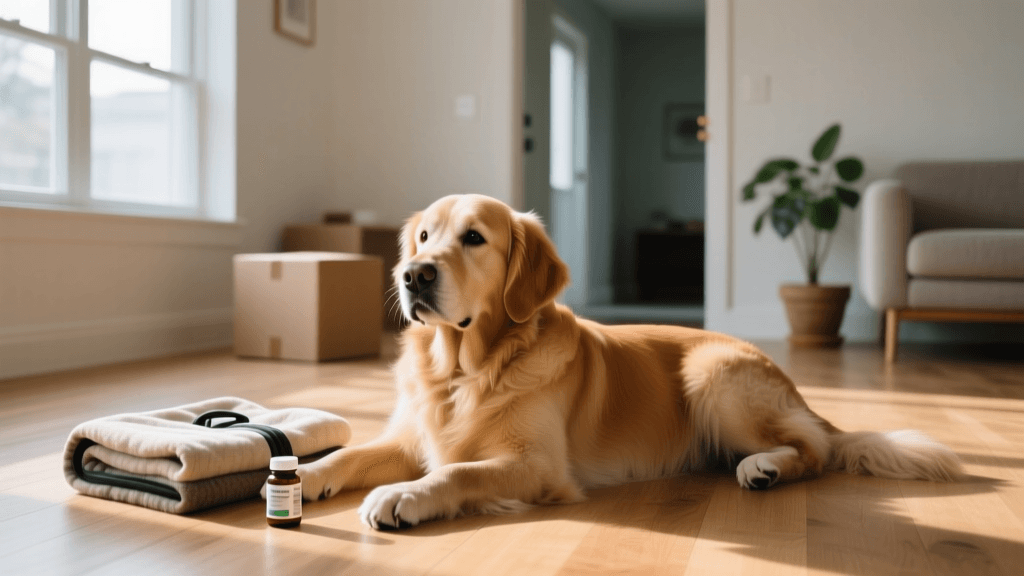
Watching your vibrant, energetic dog slowly transition into their senior years is one of the most profound life transitions a pet owner will experience. In 2026, veterinary science defines the onset of seniorhood not just by age, but by a combination of breed size, genetics, and lifestyle markers. While giant breeds may enter this transition as early as five or six years old, smaller terriers and toy breeds might not show signs of aging until they are nine or ten. This life transition requires a fundamental shift in how we approach daily care, moving from a focus on high-output physical endurance to joint preservation, cognitive support, and metabolic management.
Navigating this transition successfully means anticipating changes before they become crises. According to the American Veterinary Medical Association (AVMA), proactive senior care can add years of high-quality life to your dog's lifespan. This guide will walk you through the essential, actionable steps to manage your dog's physical and mental health during their golden years, utilizing the latest 2026 veterinary protocols and products.
2026 Veterinary Breakthroughs in Joint and Mobility Care
Osteoarthritis (OA) is the most common chronic disease affecting senior dogs, impacting nearly 80% of canines over the age of eight. The life transition from an active adult to a senior dog is often first noticed through subtle mobility changes: hesitation before jumping into the car, stiffness after resting, or a shortened stride on walks. In 2026, the gold standard for managing canine OA has evolved significantly beyond traditional daily NSAIDs, which can carry long-term risks for the liver and kidneys.
The most transformative advancement in recent years is the widespread adoption of anti-Nerve Growth Factor (anti-NGF) monoclonal antibody therapies, such as Librela (bedinvetmab). Administered as a monthly subcutaneous injection by your veterinarian, Librela specifically targets the NGF protein responsible for transmitting OA pain signals. For many senior dogs, this monthly treatment (costing between $45 and $95 depending on the dog's weight) has completely replaced daily oral pain medications, offering profound relief with minimal systemic side effects. If your dog is showing early signs of joint stiffness, scheduling a mobility assessment to discuss anti-NGF therapy is the most critical first step in their senior transition.
At home, environmental modifications are equally vital. Invest in a high-quality orthopedic bed, such as the 2026 Big Barker Orthopedic Dog Bed, which utilizes therapeutic foam that prevents the bed from bottoming out under heavy joints (retailing around $380). Furthermore, eliminate the need for your dog to jump onto furniture or into vehicles by deploying ramps. The PetSafe Happy Ride Folding Pet Ramp (approximately $85) is lightweight, features a high-traction surface, and is essential for preserving remaining cartilage in the hips and shoulders.
Nutritional Adjustments for the Aging Metabolism
As dogs age, their basal metabolic rate slows down, and their ability to digest certain proteins and fats changes. Continuing to feed an adult maintenance diet to a senior dog often leads to obesity, which places catastrophic stress on aging joints. The American Kennel Club (AKC) emphasizes that transitioning to a senior-specific diet should be done gradually over 7 to 10 days to avoid gastrointestinal upset.
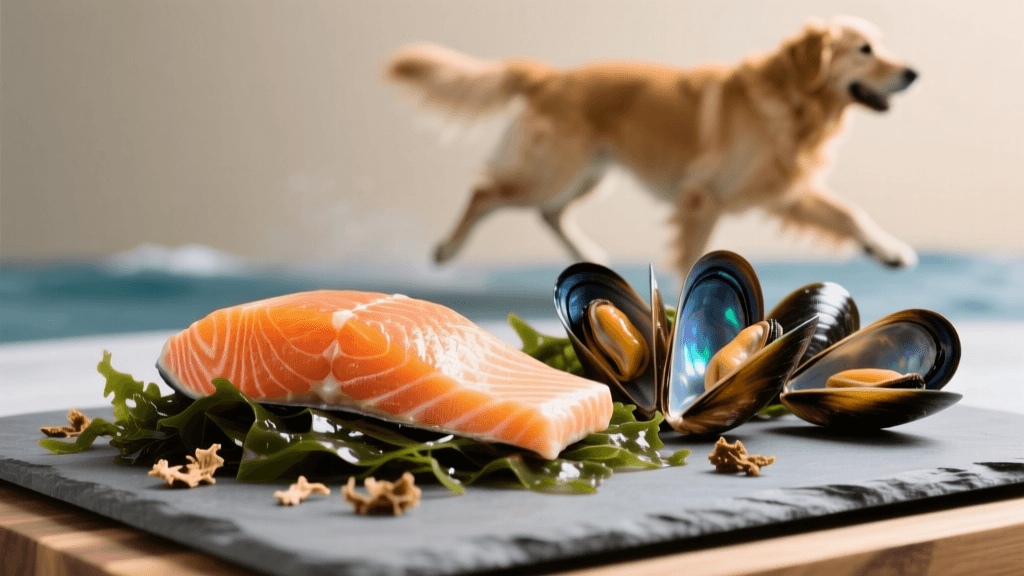
In 2026, premium senior diets focus heavily on targeted supplementation. Look for foods fortified with high levels of EPA and DHA (Omega-3 fatty acids) to naturally reduce joint inflammation, alongside medium-chain triglycerides (MCTs) which provide an alternative energy source for the aging brain. Formulas like the Purina Pro Plan Bright Mind or Hill's Science Diet Youthful Vitality are specifically engineered to address these metabolic shifts. If your dog is losing weight despite eating well—a common sign of malabsorption or underlying disease—consult your vet about adding highly digestible, calorie-dense wet food toppers or prescription gastrointestinal diets.
Navigating Canine Cognitive Dysfunction (CCD)
Just as humans experience cognitive decline, dogs can develop Canine Cognitive Dysfunction (CCD), a condition similar to Alzheimer's disease. The transition to CCD is often insidious. Early signs include disorientation (staring at walls or getting stuck behind furniture), altered sleep-wake cycles (pacing at night and sleeping all day), and a sudden lack of interest in greeting family members.
Managing CCD requires a two-pronged approach: medical intervention and environmental enrichment. Veterinarians may prescribe Selegiline (Anipryl) to help regulate dopamine levels in the brain, or recommend specific neuro-protective supplements containing SAMe and phosphatidylserine. Environmentally, you must maintain strict routines. Feed your dog at the exact same times, walk the same familiar routes, and avoid rearranging furniture, as spatial memory is often the first cognitive faculty to decline. To keep the brain active, replace intense physical fetch sessions with mental puzzles. The Outward Hound Nina Ottosson Dog Brick Puzzle Toy (around $15) forces your dog to use their nose and paws to uncover treats, stimulating neural pathways and slowing cognitive decline.
2026 Senior Dog Care Comparison Chart
When building a comprehensive care plan for your aging dog, it is helpful to understand the different categories of support available. Below is a comparison of common interventions used during the senior life transition:
| Intervention Type | Specific 2026 Example | Primary Target Issue | Estimated Monthly Cost |
|---|---|---|---|
| Monoclonal Antibody | Librela Injection | Osteoarthritis Pain | $45 - $95 |
| Joint Supplement | Dasuquin Advanced | Cartilage Support | $35 - $65 |
| Cognitive Supplement | Nutramind Senexin | Brain Aging / CCD | $40 - $60 |
| Omega-3 Oil | Nordic Natural Pets | Systemic Inflammation | $20 - $30 |
| Environmental Aid | PetSafe Folding Ramp | Joint Strain Prevention | $85 (One-time) |
Home Modifications for Senior Safety
Your home environment must adapt to your dog's changing physical capabilities. Slippery hardwood or tile floors are a major hazard for senior dogs with weakened hindquarters. A single slip can result in a torn cranial cruciate ligament (CCL) or a hip fracture. Invest in interlocking foam floor tiles or lay down non-slip area rugs with rubberized backing in all high-traffic areas and pathways leading to food, water, and the outdoors.
Lighting is another often-overlooked factor. Senior dogs frequently develop cataracts or nuclear sclerosis (a bluish haze in the lens), which severely impairs their vision in low light. Install motion-sensor nightlights in hallways and near their sleeping areas to help them navigate safely during nighttime bathroom breaks. Additionally, elevate their food and water bowls using a sturdy wooden or ceramic stand. Raising the bowls to chest level prevents your dog from having to crane their arthritic neck downward, making mealtimes significantly more comfortable.
Adapting Exercise: The Rise of the Sniffari
A common mistake owners make during this life transition is stopping exercise altogether because their dog seems tired. Complete rest leads to rapid muscle atrophy, which in turn removes the muscular support system that aging joints desperately need. The goal in 2026 is not to stop exercise, but to change its modality.
Replace long, high-impact runs with shorter, more frequent leash walks on soft surfaces like grass or dirt trails. More importantly, embrace the concept of the 'Sniffari.' A Sniffari is a slow, meandering walk where the dog dictates the pace and is allowed to stop and sniff every tree, bush, and blade of grass for as long as they wish. Sniffing is incredibly taxing on a dog's brain; fifteen minutes of intensive sniffing can provide as much mental fatigue and satisfaction as an hour of physical running. The ASPCA highly recommends low-impact, mentally stimulating activities to maintain muscle tone without degrading joint cartilage.
Embracing the Golden Years
The transition into your dog's senior years is undeniably bittersweet, but it is also a time of deep, quiet companionship. By leveraging modern veterinary therapies like anti-NGF injections, adapting your home for safety, and shifting your focus from physical endurance to cognitive and joint preservation, you can ensure your dog's final chapters are comfortable and joyful. Regular bi-annual veterinary checkups, complete with comprehensive senior blood panels, remain your best tool for catching age-related diseases early. Embrace the slower pace, celebrate the grey muzzle, and provide the tailored care your loyal companion has earned.
beth-carrasco
All our authors care for dogs every day — read more of their work on the authors page.