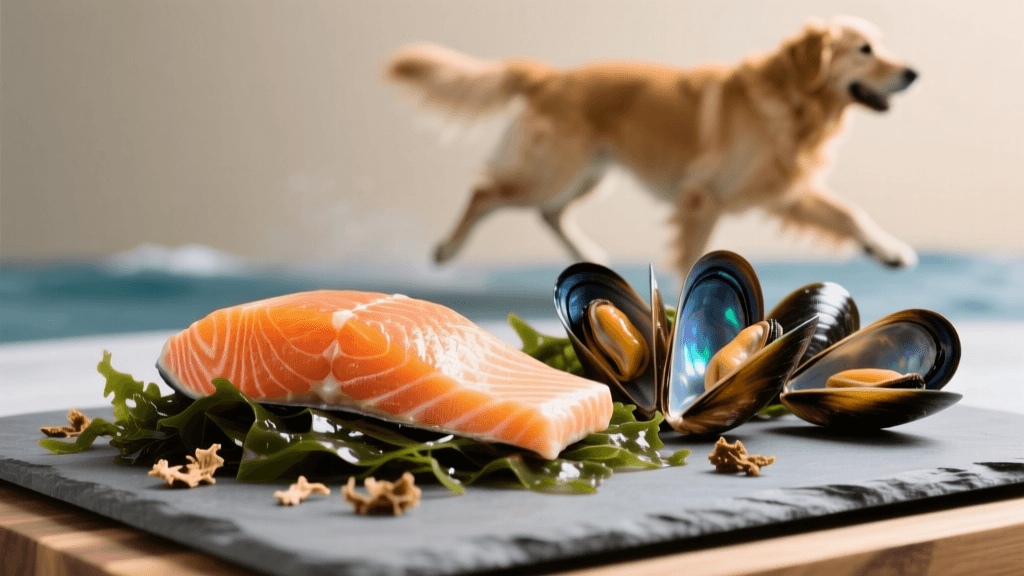
Best Omega-3 Dog Joint Supplements 2026: EPA & DHA Guide
Discover the best omega-3 supplements for dog joint health in 2026. Compare EPA and DHA ratios in salmon, mussel, and algae oils for optimal canine care.
The 2026 Landscape of Canine Omega-3 Supplementation
As we navigate the veterinary wellness landscape in 2026, Omega-3 fatty acids have firmly transitioned from a holistic trend to a foundational pillar of canine preventative care. Whether you are managing early-stage osteoarthritis in a senior Labrador or supporting cognitive development in a working Border Collie, the therapeutic benefits of eicosapentaenoic acid (EPA) and docosahexaenoic acid (DHA) are undeniable. However, the pet supplement market has evolved dramatically. With new sustainability certifications, advanced extraction technologies, and a surge in algae-based alternatives, choosing the right Omega-3 for your dog's joints requires a nuanced understanding of modern veterinary nutrition.
Unlike humans, who can derive some benefit from plant-based alpha-linolenic acid (ALA) found in flaxseed, dogs possess a highly inefficient enzymatic pathway for converting ALA into the bioavailable EPA and DHA required to modulate joint inflammation. Therefore, direct marine or advanced algae-based supplementation is non-negotiable for therapeutic joint support. In this comprehensive 2026 guide, we break down the science, compare the top sources, and provide exact dosage calculations to keep your dog mobile and pain-free.
EPA vs. DHA: Why the Ratio Matters for Canine Joints
While both EPA and DHA are crucial, they serve distinctly different roles in canine physiology. EPA is the primary anti-inflammatory powerhouse. It competes with arachidonic acid (an Omega-6 fatty acid) for the same metabolic enzymes, effectively reducing the production of pro-inflammatory prostaglandins and leukotrienes in arthritic joints. DHA, on the other hand, is structural; it is vital for retinal health, neurological function, and cellular membrane integrity.
For targeted joint care and osteoarthritis management, veterinary nutritionists generally recommend an EPA-dominant ratio. A ratio of roughly 1.5:1 to 2:1 (EPA to DHA) is considered the gold standard in 2026 for mitigating joint stiffness and improving mobility in aging dogs. Conversely, puppies and gestating females benefit more from DHA-dominant profiles to support neural development.
According to board-certified veterinary nutritionists, the inability of canines to efficiently convert plant-based ALA into usable EPA and DHA makes direct marine or algae-based supplementation non-negotiable for therapeutic joint support.
Source Showdown: Salmon vs. Mussel vs. Algae
The 2026 market is dominated by three primary sources of canine Omega-3s. Each has distinct advantages regarding bioavailability, environmental impact, and cost. Below is a comparative analysis of the leading options available this year.
| Source | EPA/DHA Profile | 2026 Sustainability | Avg. Monthly Cost | Best Use Case |
|---|---|---|---|---|
| Wild Alaskan Salmon Oil | High EPA, Moderate DHA | MSC Certified, Wild-Caught | $18 - $25 | General joint health & coat |
| Green-Lipped Mussel Oil | Moderate EPA, High ETA | Aquaculture, Highly Regulated | $30 - $45 | Severe osteoarthritis & inflammation |
| Marine Algae Oil | High DHA, Moderate EPA | Lab-Grown, Zero Bycatch | $22 - $30 | Plant-based diets & cognitive support |
While salmon oil remains the most popular, New Zealand Green-Lipped Mussel (GLM) oil has gained massive traction in 2026 due to its unique inclusion of eicosatetraenoic acid (ETA). ETA is a rare Omega-3 that actively inhibits the lipoxygenase (LOX) inflammatory pathway, offering dual-action relief that standard fish oils cannot match. For eco-conscious owners, lab-grown marine algae oil has finally achieved price parity with mid-tier fish oils, offering a heavy-metal-free alternative that bypasses oceanic pollution concerns entirely.
Top Omega-3 Dog Joint Supplements in 2026
Based on third-party purity testing, triglyceride bioavailability, and veterinary endorsements, here are the top-performing Omega-3 joint supplements currently on the market.
1. Nordic Naturals Omega-3 Pet (Triglyceride Form)
Nordic Naturals continues to dominate the premium sector in 2026. Their Omega-3 Pet formula is derived from wild anchovies and sardines, which are lower on the food chain and naturally accumulate fewer environmental toxins. Crucially, this oil is processed into the true triglyceride form, which studies show is absorbed up to 70% more efficiently than the synthetic ethyl ester forms found in cheaper alternatives. The pump mechanism is nitrogen-flushed to prevent oxidation, making it a top pick for medium-to-large breeds requiring high daily EPA doses.
2. Grizzly Wild Alaskan Salmon Oil (Whole-Food Matrix)
For owners seeking a whole-food approach, Grizzly’s 2026 formulation remains a staple. Extracted from wild-caught Alaskan salmon, this oil retains a natural matrix of astaxanthin—a potent antioxidant that naturally preserves the oil and provides additional joint-cartilage protection. It is an excellent, cost-effective choice for multi-dog households, though it must be stored strictly in the refrigerator after opening to maintain its peroxide value.
3. Native Pet Omega Oil (Multi-Source Blend)
Native Pet has revolutionized their 2026 Omega Oil by blending wild Alaskan salmon oil with New Zealand Green-Lipped Mussel oil. This hybrid approach provides the high EPA baseline of salmon alongside the specialized ETA found in mussels. It is specifically formulated for senior dogs exhibiting moderate to severe mobility issues, offering a broader spectrum of inflammatory modulation than single-source oils.
Calculating the Correct 2026 Dosage for Your Dog
One of the most common mistakes pet owners make is under-dosing Omega-3s. The dosage listed on many commercial bottles is designed for general coat health, not therapeutic joint support. For managing canine osteoarthritis, veterinary guidelines recommend a combined EPA and DHA dose of 50 to 75 milligrams per kilogram of your dog's metabolic body weight.
To calculate metabolic body weight, use the formula: (Body Weight in kg)^0.75. For example, a 30 kg (66 lb) Golden Retriever has a metabolic weight of roughly 12.8 kg. At a therapeutic dose of 60 mg/kg, this dog requires approximately 768 mg of combined EPA and DHA daily. Always check the supplement's certificate of analysis (COA) to verify the exact EPA and DHA concentrations per pump or capsule, as total fish oil volume does not equal active Omega-3 content.
For a deeper dive into the biochemical requirements of canine fatty acids, the WSAVA Nutrition Toolkit offers excellent baseline guidelines for veterinary professionals and pet owners alike. Furthermore, research highlighted by the Tufts Cummings Veterinary Medical Center emphasizes the importance of checking for third-party testing to ensure heavy metal removal and accurate label claims. You can also review general fatty acid profiles and their systemic cellular effects via the NIH Office of Dietary Supplements, which outlines the universal mechanics of EPA and DHA absorption.
The Silent Killer: Oxidation and Rancidity
Omega-3 fatty acids are highly unstable and prone to oxidation when exposed to heat, light, and oxygen. Feeding rancid fish oil to your dog is not only ineffective; it actively introduces harmful free radicals into their system, exacerbating the very joint inflammation you are trying to treat. In 2026, industry leaders have adopted opaque, airless pump bottles to mitigate this risk.
To ensure safety, always perform the 'sniff test'. Fresh salmon or mussel oil should smell mildly of the ocean or seaweed. If the oil smells sharply fishy, sour, or like oil paint, it has oxidized and must be discarded immediately. Store all liquid Omega-3 supplements in the refrigerator, keep the cap tightly sealed, and aim to finish the bottle within 60 to 90 days of opening. By prioritizing purity, correct sourcing, and precise therapeutic dosing, you can leverage the full power of Omega-3s to protect your dog's joints and enhance their quality of life for years to come.
robin-maitland
All our authors care for dogs every day — read more of their work on the authors page.