First-Time Puppy Owner Guide to Vaccines and Preventive Care
A first-time owner's guide to puppy vaccines, deworming, and flea prevention. Learn schedules, costs, and vet visit tips to keep your new dog healthy.
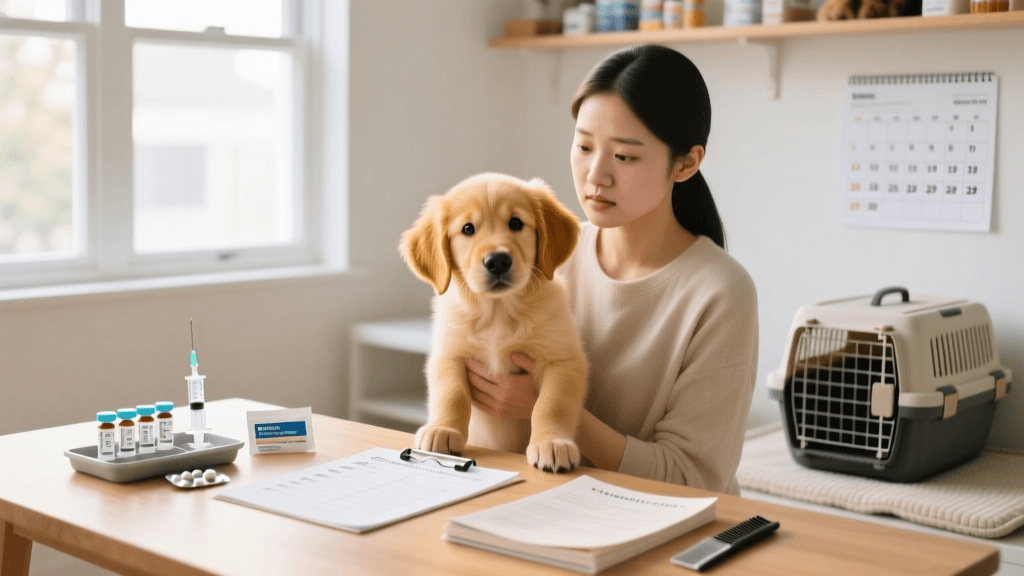
Welcome to Puppy Parenthood: The Foundation of Preventive Care
Bringing a new puppy home is one of life’s greatest joys, but it also comes with a steep learning curve. As a first-time dog owner, navigating the myriad of veterinary recommendations can feel overwhelming. Between vaccinations, parasite preventives, and wellness exams, how do you know what your puppy truly needs, when they need it, and how much it will cost?
Preventive care is the cornerstone of a long, healthy life for your dog. Establishing a solid health baseline during those critical first few months protects your puppy from life-threatening diseases and sets the stage for their adult wellness routine. According to the ASPCA, a puppy's immune system is highly vulnerable during the first 16 weeks of life, making strict adherence to veterinary schedules absolutely vital.
This comprehensive guide will walk you through the essential vaccination timelines, parasite prevention strategies, and realistic budgeting for your puppy’s first year of veterinary care.
The Essential Puppy Vaccination Timeline
Vaccines work by stimulating the immune system to recognize and fight off specific pathogens. However, puppies receive temporary immunity from their mother’s milk (maternal antibodies). These antibodies can actually interfere with early vaccines, which is why puppies require a series of booster shots every 3 to 4 weeks until maternal antibodies naturally wane around 16 weeks of age.
The American Veterinary Medical Association (AVMA) categorizes vaccines into 'core' (essential for all dogs) and 'non-core' (based on lifestyle and geographic risk). Below is the standard timeline and estimated cost breakdown for a puppy's first year.
| Puppy Age | Vaccine / Treatment | Purpose | Estimated Cost |
|---|---|---|---|
| 6–8 Weeks | DHPP (1st dose), Deworming | Distemper, Parvovirus, Adenovirus, Parainfluenza | $75 – $100 |
| 10–12 Weeks | DHPP (2nd dose), Bordetella | Booster immunity, Kennel Cough prevention | $80 – $120 |
| 14–16 Weeks | DHPP (3rd dose), Rabies | Final puppy booster, Legal Rabies protection | $90 – $150 |
| 12–16 Months | DHPP, Rabies, Bordetella (1-Year Boosters) | Transition to adult immunity schedule | $100 – $200 |
Core vs. Non-Core Vaccines: What Does Your Puppy Need?
Core Vaccines: These are universally recommended because the diseases they prevent are severe, widespread, or transmissible to humans (zoonotic).
- Rabies: A fatal viral disease affecting the central nervous system. Required by law in most regions.
- DHPP (or DA2PP): A combination shot protecting against Canine Distemper, Adenovirus (Hepatitis), Parainfluenza, and Parvovirus. Parvovirus, in particular, is highly contagious and frequently fatal in unvaccinated puppies.
Non-Core Vaccines: Your veterinarian will recommend these based on your puppy's anticipated lifestyle. If you plan to visit dog parks, attend puppy classes, or board your dog, these become highly necessary.
- Bordetella bronchiseptica: Protects against the primary bacterial cause of Kennel Cough.
- Leptospirosis: A bacterial infection spread through wildlife urine in standing water; it can cause severe kidney and liver damage.
- Lyme Disease: Recommended in regions with high tick populations.
- Canine Influenza (H3N2/H3N8): Suggested for highly social dogs in urban environments or boarding facilities.
Parasite Prevention: A Multi-Layered Defense
Vaccines are only half the battle. Parasites—both internal and external—pose severe health risks to your puppy and, in some cases, to your human family. The Companion Animal Parasite Council (CAPC) strongly advocates for year-round, broad-spectrum parasite prevention for all dogs, regardless of their indoor/outdoor lifestyle.
Heartworm Disease
Transmitted by a single mosquito bite, heartworm disease is a severe and potentially fatal condition where foot-long worms reside in the heart and pulmonary arteries of the dog. Treatment for an active heartworm infection is arduous, expensive (often exceeding $1,000), and carries significant medical risks. Conversely, monthly prevention is safe, highly effective, and costs roughly $5 to $12 per month. Popular chewable preventives include Heartgard Plus and Interceptor Plus.
Fleas and Ticks
Fleas cause intense itching, allergic dermatitis, and can transmit tapeworms. Ticks are vectors for debilitating diseases like Lyme, Anaplasmosis, and Ehrlichiosis. First-time owners should opt for modern oral isoxazolines (such as NexGard, Simparica Trio, or Bravecto), which are highly effective and avoid the messy application of topical liquids. Expect to pay between $15 and $25 per month for premium oral preventives.
Intestinal Parasites and Deworming
Puppies are notorious for harboring intestinal parasites like roundworms and hookworms, often acquired from their mother before birth or through nursing. These parasites rob your puppy of vital nutrients, causing a pot-bellied appearance, diarrhea, and stunted growth. Furthermore, roundworms and hookworms are zoonotic, meaning they can infect humans.
Standard Deworming Protocol:
- Weeks 2, 4, 6, and 8: Dewormed by the breeder or shelter using a liquid pyrantel pamoate suspension.
- Months 2 to 6: Monthly broad-spectrum deworming (usually integrated into your monthly heartworm preventive).
- Bi-Annual Fecal Exams: Your vet will check a stool sample under a microscope to catch resistant parasites like Giardia or Coccidia, which require specific medications like fenbendazole or ponazuril.
Budgeting for Your Puppy’s First Year of Vet Care
Financial preparation is a crucial aspect of responsible pet ownership. First-year veterinary costs are inherently higher than subsequent years due to the intensive series of boosters, spay/neuter surgery, and microchipping. Here is a realistic estimate of first-year preventive care costs in the United States:
- Wellness Exams & Vaccines (3-4 visits): $250 – $450
- Spay/Neuter Surgery: $200 – $600 (varies heavily by clinic and dog size)
- Microchipping: $40 – $60
- Year-Round Preventives (Flea/Tick/Heartworm): $180 – $300
- Fecal Tests & Deworming: $50 – $100
- Total Estimated First-Year Preventive Budget: $720 – $1,510
Pro-Tip for First-Time Owners: Look into puppy wellness plans offered by veterinary clinics or pet insurance providers. While pet insurance does not cover routine wellness care by default, many companies offer add-on wellness riders that bundle the cost of vaccines and preventives into a low monthly premium, smoothing out your cash flow.
Tips for a Stress-Free Vet Visit
The veterinary clinic can be a terrifying place for a young puppy. Your goal during these first visits is to build positive associations.
- Bring High-Value Treats: Bring boiled chicken or freeze-dried liver. Let the vet technicians feed your puppy during the exam to create a positive link with being handled.
- Practice Handling at Home: Gently touch your puppy’s paws, ears, and mouth daily. Reward them immediately. This mimics what the vet will do during nail trims and dental checks.
- Use a Secure Carrier or Harness: For small breeds, a hard-sided carrier provides a safe den. For larger breeds, a secure front-clip harness prevents them from bolting in the waiting room, which is crucial for their physical safety and your peace of mind.
- Wait in the Car if Necessary: If your puppy is highly reactive or terrified of other dogs in the waiting room, ask the receptionist if you can wait in your car until the exam room is ready. Many modern clinics practice 'Fear Free' protocols and will happily accommodate this.
Conclusion: Investing in a Lifetime of Health
As a first-time dog owner, managing your puppy’s health and wellbeing can feel like a part-time job. However, adhering to a strict vaccination schedule, maintaining year-round parasite prevention, and budgeting for proactive veterinary care are the most profound ways you can show your new companion that they are loved and protected. By laying this medical foundation during their first year, you are buying yourself and your dog decades of active, joyful, and disease-free memories.
robin-maitland
All our authors care for dogs every day — read more of their work on the authors page.